

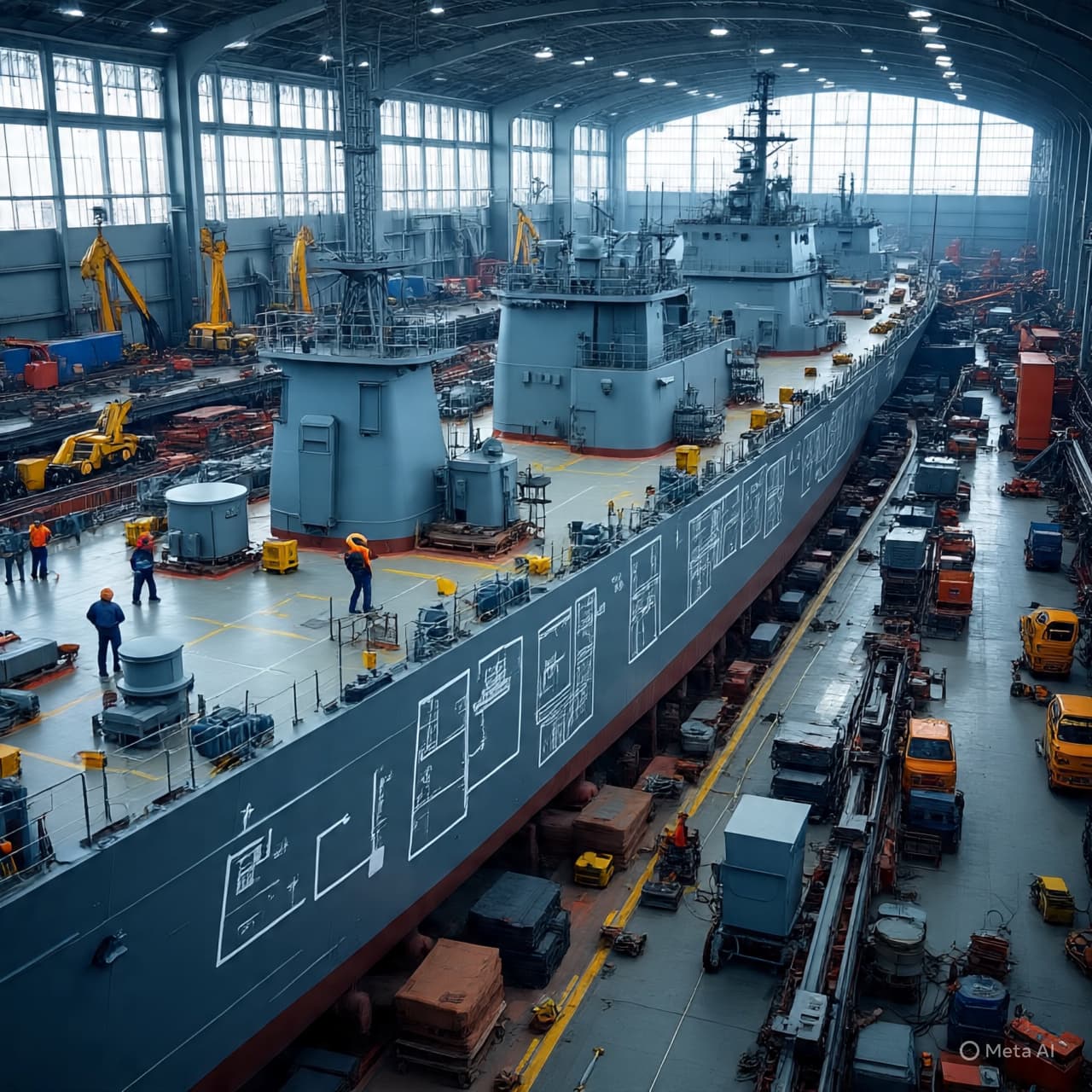
Key Highlights
- Proposed Cost:Each Trump-class warship could cost between $9 to $10 billion.
- Strategic Concerns:Critics argue that these ships may attract danger rather than deter it.
- Historical Context:The initiative raises questions about the relevance of battleships in modern naval warfare.
The sea has always held a rhythm of its own, echoing the stories of naval lore and the ambitions of those who dare to navigate its depths. Recently, a new chapter has emerged in America's maritime narrative with the proposal of a new class of warship, the Trump-class, named after former President Donald J. Trump. This initiative has ignited a complex debate about its strategic value, financial implications, and the future of naval warfare.
In December, President Trump announced plans for what he termed the "Golden Fleet," which would include these new surface warships. This announcement has been met with skepticism from naval experts and defense analysts who question whether such large vessels can effectively operate in today's rapidly evolving maritime landscape. Critics argue that the focus on massive ships could divert attention from the Navy's current strategy of distributing force across a variety of platforms, potentially making these ships targets rather than deterrents.
The financial implications of the Trump-class warships are staggering. Estimates suggest that each ship could cost between $9 and $10 billion, a figure that raises eyebrows given the existing budget constraints faced by the Navy. With ongoing projects already straining resources, some analysts warn that the Trump-class initiative may struggle to gain traction amid competing priorities and potential changes in administration.
Moreover, the strategic rationale behind building such large vessels is under scrutiny. Historically, battleships symbolized power and prestige, but their relevance has diminished in modern naval doctrine, which now prioritizes agility, stealth, and a networked approach to warfare. The idea of constructing a fleet centered around large, high-profile ships raises concerns that they could become "bomb magnets" in an era dominated by missiles and drones.
Supporters of the Trump-class project argue that naming a class of ships after a president is a bold statement of national pride and strength. They envision these vessels as floating symbols of American resolve, capable of projecting power across the world's oceans. However, this vision must contend with the realities of military budgeting, strategic doctrine, and the cautious approach of defense planners who prioritize effectiveness over spectacle.
As the proposal moves through congressional review and public discourse, the fate of the Trump-class warships remains uncertain. The discussions surrounding this initiative highlight the broader questions of how best to ensure national security and project power in an increasingly complex global landscape. Whether these ships will ultimately sail or become a footnote in history, the dialogue they inspire underscores the intricate relationship between naval power, strategy, and national identity.
In the end, the conversation about the Trump-class warships is not merely about the vessels themselves but about the ideas they represent and the future of naval warfare in a world where the stakes are higher than ever.
Published by Banx Network. This article is part of the Banx decentralized media programme, powered by the BXE token on the XRP Ledger.




