
Key Highlights
- Coral reefs are vital for marine biodiversity and local economies.
- Restoration initiatives in the Persian Gulf show promising results.
- Community involvement and advanced technologies are key to success.
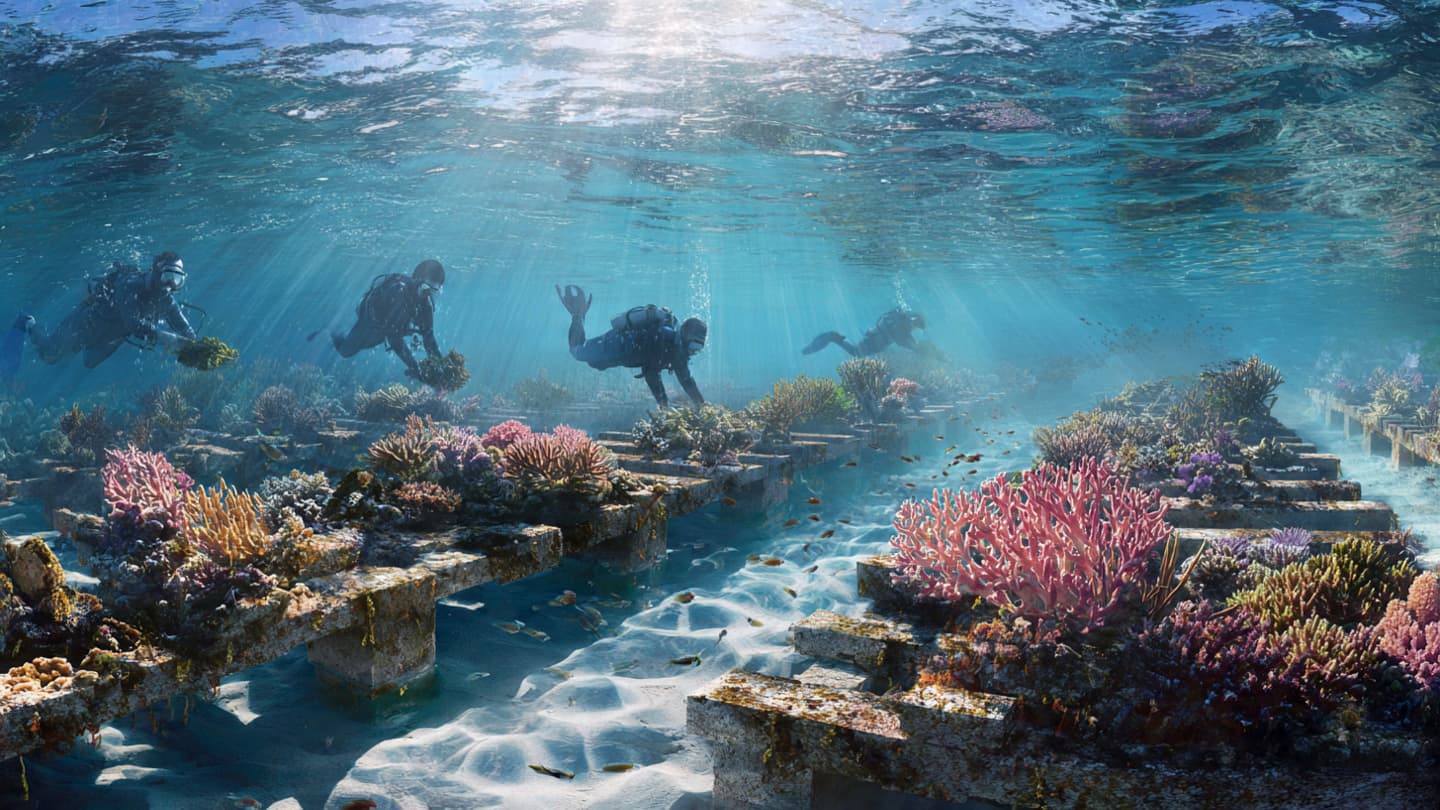
Coral reefs, often referred to as the rainforests of the sea, are crucial for maintaining marine biodiversity and supporting local economies. These vibrant ecosystems provide shelter for countless marine species and play a significant role in the health of ocean environments. In the Persian Gulf, scientists are actively monitoring various coral restoration efforts aimed at enhancing recovery and conservation of these vital habitats.
Recent reports from marine researchers indicate that several restoration initiatives are yielding encouraging results. These projects typically involve coral transplantation, habitat monitoring, and comprehensive environmental assessments designed to bolster the long-term resilience of coral ecosystems. By focusing on these areas, scientists hope to mitigate the adverse effects of climate change and human activity on coral reefs.
Coral reefs face numerous threats, including rising sea temperatures, pollution, and habitat disruption. Conservation programs are being implemented to address these challenges while fostering natural recovery processes. The ecological significance of healthy coral systems cannot be overstated; they serve as breeding grounds and protective environments for a myriad of fish and marine organisms, contributing to the overall biodiversity of the ocean.
To enhance conservation efforts, advanced monitoring technologies have become indispensable tools for researchers. Utilizing underwater sensors, satellite imagery, and sophisticated data analysis systems, scientists can evaluate environmental conditions and track the progress of restoration initiatives. This technological integration allows for more effective management of coral habitats and a better understanding of the factors influencing their health.
Community involvement has emerged as a critical component of several restoration projects. Educational initiatives and partnerships with local stakeholders are essential for raising awareness about marine conservation and promoting sustainable resource management practices. Engaging communities not only fosters a sense of ownership over local ecosystems but also encourages collective action towards their preservation.
Environmental organizations emphasize that coral restoration is a long-term commitment. Recovery processes can span several years, necessitating continuous monitoring and adaptive management strategies to ensure success. Governments and research institutions across the region are increasingly investing in marine science programs, which not only protect the environment but also enhance scientific understanding of coastal ecosystems.
Experts caution that the outcomes of conservation efforts are influenced by various factors, including water quality, climate conditions, and habitat protection measures. Despite these challenges, the early results from ongoing restoration projects provide a reason for cautious optimism. As scientists continue to gather data and refine their conservation strategies, their work reflects a broader commitment to preserving marine ecosystems that support both biodiversity and human communities.
As these restoration projects progress, the focus remains on leveraging technology and community engagement to foster resilient coral ecosystems. The ongoing efforts in the Persian Gulf serve as a testament to the potential for recovery and the importance of collaborative action in marine conservation.
Published by Banx Network. This article is part of the Banx decentralized media programme, powered by the BXE token on the XRP Ledger.



