
Key Highlights
- Google announces new fiber-optic routes linking India and the U.S.
- Initiative aims to enhance AI services and digital connectivity.
- Project supports India's goal of becoming a global tech hub.
At a major technology summit in New Delhi this week, Google unveiled an ambitious plan to build new international fiber-optic routes between the United States and India, part of a broader initiative to deepen digital ties and support the next wave of AI-driven services worldwide. This announcement comes as part of the India AI Impact Summit 2026, where Google’s Chief Executive Officer Sundar Pichai emphasized the importance of connectivity in fostering innovation and economic growth.
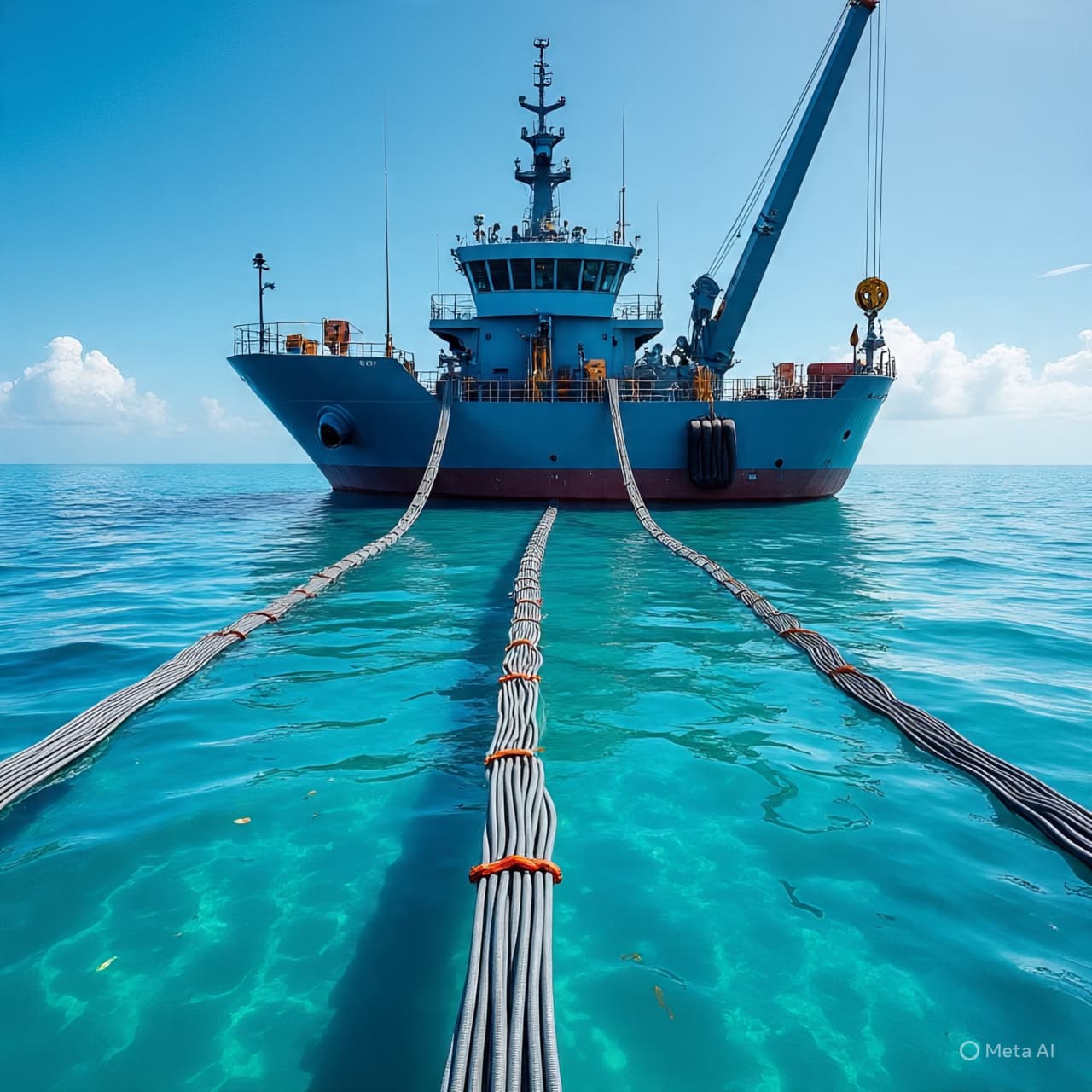
The initiative, dubbed the “America-India Connect Initiative,” aims to strengthen the digital infrastructure between the two democracies. It includes the construction of new subsea cable routes that will connect Visakhapatnam on India’s east coast with the U.S. and various southern hemisphere destinations. This project is complemented by an expansion of terrestrial routes to enhance network capacity and resilience across continents, ensuring that both regions can support the increasing demand for data.
The technical significance of these cables cannot be overstated. Subsea and strategic fiber-optic links form the backbone of the internet, carrying the vast majority of international data traffic. By establishing additional direct routes between the U.S. and India, Google aims to reduce latency and improve reliability, which is crucial for AI services, cloud computing, and digital platforms. As demand for faster and more dependable connectivity grows—especially for enterprise and AI workloads—these investments are designed to build redundancy into global networks and lessen reliance on existing routes.
For India, this project aligns with the country’s broader ambition to become a global tech hub. The fiber initiative complements Google’s $15 billion investment in establishing an AI and cloud infrastructure hub in Visakhapatnam, which includes data centers and a new subsea cable gateway. Leaders at the summit highlighted that infrastructure alone is insufficient; therefore, skilling programs, including AI professional certifications and partnerships with educational institutions, are being introduced to ensure that human capital develops alongside physical networks.
However, the optimism surrounding this initiative is tempered by the complex realities of global digital infrastructure. Building subsea cables is an intricate and capital-intensive process that requires international cooperation, regulatory approvals, and lengthy timelines before systems can begin carrying traffic. Additionally, these strategic fiber routes hold geopolitical significance, embedding technological influence into global communication flows and strengthening ties between nations at a time when digital sovereignty and data security are paramount policy concerns.
As these cables take shape beneath the waves, they represent more than just physical links; they symbolize a shared vision for a connected future where data, ideas, and innovation can traverse borders with greater speed and resilience. The ultimate impact of this vision on creating a more inclusive global AI ecosystem—and how it shapes economic opportunities for millions in both countries—will unfold in the years to come, along every strand of light that pulses through these new routes.
Published by Banx Network. This article is part of the Banx decentralized media programme, powered by the BXE token on the XRP Ledger.



