
Key Highlights
- South Pars is one of the largest natural gas fields globally, shared with Qatar.
- The field significantly contributes to Iran's energy production and economic stability.
- Geopolitical tensions and energy transitions pose challenges for the future of South Pars.
[The Significance of South Pars]
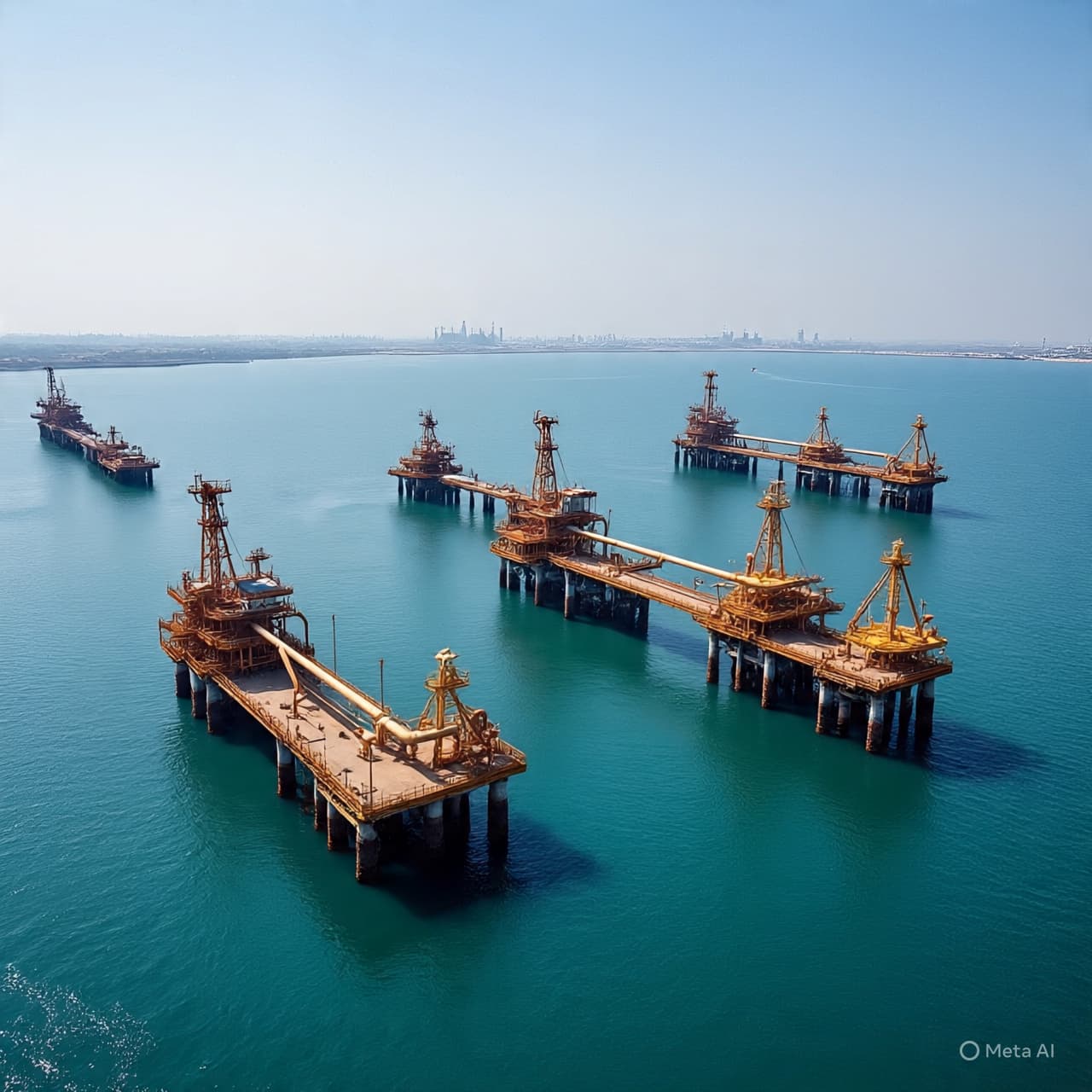
Beneath the calm waters of the Persian Gulf lies the South Pars gas field, a vast reservoir that plays a crucial role in shaping Iran's energy landscape. Shared with Qatar, where it is known as the North Field, South Pars is one of the largest natural gas fields in the world. Its immense scale and strategic importance make it a focal point for Iran, especially as the country navigates a complex web of sanctions and geopolitical challenges.
For Iran, South Pars is not merely a resource; it is a lifeline. The field accounts for a significant portion of the nation’s natural gas production, supplying energy to homes, industries, and power plants. During the winter months, when demand peaks, the output from South Pars becomes even more critical, often determining whether the energy needs of millions can be met. The extraction of gas from this offshore giant is deeply intertwined with the daily lives of Iranians, making it an essential component of the country's energy infrastructure.
[Global Energy Landscape]
The significance of South Pars extends beyond Iran's borders. The gas field serves as a potential bridge to the global energy market, despite the limitations imposed by international sanctions. While Iran has struggled to fully capitalize on its energy exports, the latent potential of South Pars remains. Should geopolitical conditions improve, this gas field could transition from a domestic backbone to a significant player in the global energy supply chain.
Iran has invested heavily in developing the infrastructure surrounding South Pars, often relying on domestic expertise when international partnerships became untenable. Each platform and pipeline represents a response to external constraints, showcasing Iran's determination to maintain production levels despite limited access to advanced technology and capital. This resilience is commendable, yet it also introduces vulnerabilities. A heavy reliance on a single resource means that any disruption—be it technical, environmental, or geopolitical—can have far-reaching consequences.
[Challenges and Future Prospects]
Recent tensions in the region have highlighted the strategic importance of energy infrastructure, including South Pars. The ongoing geopolitical landscape raises questions about the stability of this vital resource. As energy transitions gain momentum globally, with a shift towards renewable sources, Iran faces the challenge of adapting its energy strategy. While South Pars remains indispensable today, the nation must consider diversification and how to prepare for a future where energy demands may evolve.
Despite these challenges, South Pars continues to operate quietly beneath the surface, sustaining a flow of energy that supports Iran's economy. Its role is not just about gas production; it reflects the intricate relationship between natural resources and national resilience. The story of South Pars is one of opportunity and limitation, unfolding in the steady rhythm of extraction that defines Iran's energy narrative.
As developments in energy and geopolitics unfold, South Pars will remain central to Iran's economic outlook. Its significance, shaped by external pressures, continues to support domestic energy needs while offering potential pathways for future growth, contingent on broader geopolitical conditions.
Published by Banx Network. This article is part of the Banx decentralized media programme, powered by the BXE token on the XRP Ledger.



