
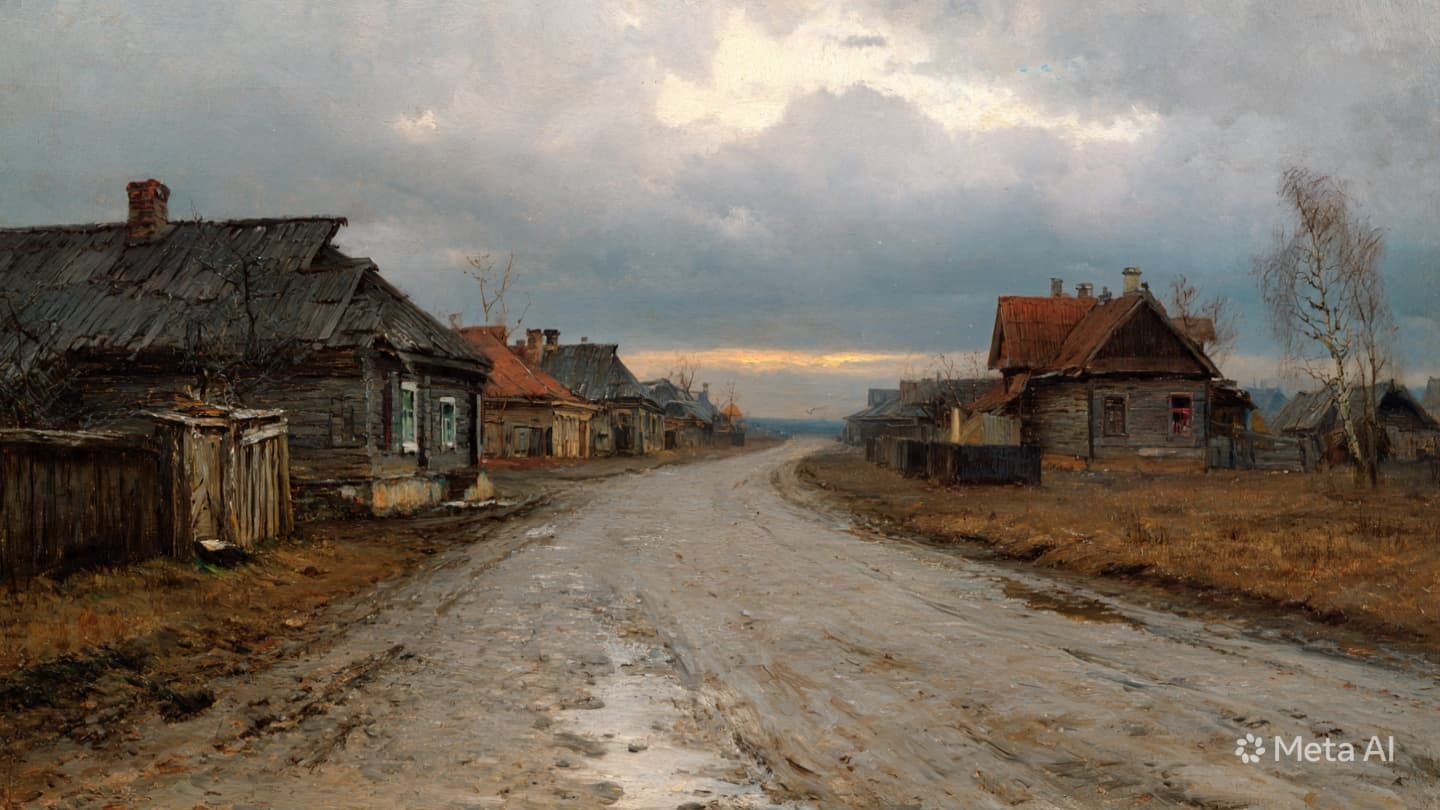
The domestic home, particularly in the quiet, regional reaches of Russia, is often envisioned as a sanctuary of warmth and endurance, a place where the rhythms of daily life are protected from the scale of the world beyond. When a fire tears through such a home, leaving death in its wake, the tragedy is magnified by the intimacy of the loss. The recent house fire, now the subject of a rigorous investigation by authorities, has left a local community in a state of somber reflection, grappling with the sudden, violent rupture of their familiar reality.
The investigation, currently in its analytical phase, is as much about the details of the specific event as it is about understanding the broader context of the loss. Forensic teams, working within the charred remnants of the structure, are piecing together the evidence to determine the source of the ignition. It is a methodical, unhurried pursuit, characterized by a professional distance that is necessary to document the harsh realities of what transpired behind the closed doors. The investigators must navigate the remnants of a home, documenting the fragments that were once the markers of a private life, now reduced to the stark evidence of the fire’s reach.
In the village, the news has cast a heavy, lingering pall. The tragedy is not an abstract statistic; it is a personal, intimate loss that touches the entire community. There is a sense of collective reflection, a recognition that the safety of the individual is inextricably linked to the awareness of those around them. The authorities have worked to ensure that the investigation remains respectful of the grief of the families, even as they gather the evidence required to fulfill the requirements of the national safety mandate.
The context of domestic fire safety remains a critical concern for both civil society and the state, particularly in regions where the infrastructure of the home is aging. The barriers to preventative action—the reliance on outdated heating methods, the lack of modern smoke detection systems, and the geographic distance from fire services—can create a landscape where accidents are left to escalate. The state’s commitment to this inquiry is a vital step, yet as the recent case demonstrates, the transition from the investigative finding to the effective, real-time protection of the home is an ongoing, arduous challenge.
As the authorities progress with their inquiry, there is a commitment to ensuring that the investigation serves as a catalyst for awareness. The local administration has utilized the recent case to reiterate the importance of home safety, emphasizing the need for regular inspections of heating units and the necessity of basic fire preparedness. It is a forward-looking effort, aimed at identifying the signs of risk before they reach the point of no return. The goal is to move the community toward a culture of vigilance, where the home is recognized as a space that requires the proactive care of its occupants.
The investigation is not merely an exercise in justice, but an act of bearing witness. By bringing the reality of the fire into the light of the legal process, the state acknowledges that the rural home is not a space exempt from the protections afforded to every citizen. For the village, the aftermath is a time of slow, difficult healing. It is a process of reclaiming the peace, while holding the memory of the loss as a sobering reminder of the necessity of vigilance and the duty of care that every neighbor owes to another.
The regional Investigative Committee has confirmed that the inquiry into the fatal domestic fire is in its final stages, with preliminary forensic reports suggesting a mechanical failure in the home's heating system. Authorities are finalizing the collection of evidence to be submitted to the prosecutor’s office, while local municipal services have initiated a outreach program to provide fire safety training and home inspection resources for residents in the affected district.
Published by Banx Network. This article is part of the Banx decentralized media programme, powered by the BXE token on the XRP Ledger.
.jpg&w=3840&q=75 "Blake Lively Awarded $400,000 in Legal Fees After Justin Baldoni Lawsuit Dismissed")

