

Key Highlights
- Allegations of violations in Texas migrant detention camps have surfaced.
- Reports indicate issues such as overcrowding and sanitation concerns.
- Authorities are pledging corrective measures to address the deficiencies.
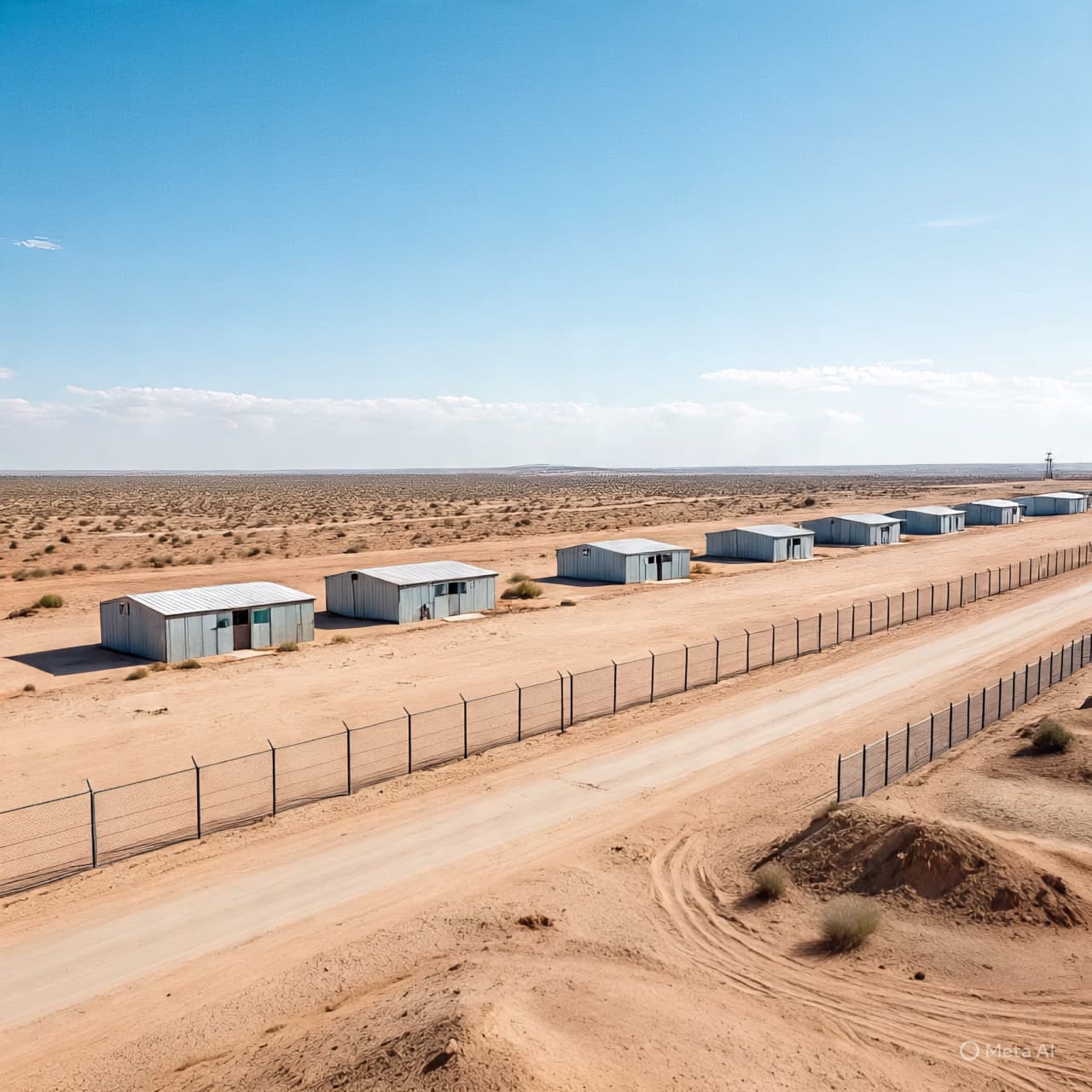
In the vast stretches of Texas land, where the horizon seems to blur into quiet uncertainty, there are places that rarely enter public imagination unless something goes wrong. A migrant detention camp, meant to be a temporary refuge in a long journey, has instead become a focal point of concern. Recent reports have surfaced detailing dozens of alleged violations within these facilities, raising urgent questions about oversight and accountability.
The findings indicate that these are not merely administrative oversights; they represent conditions that may directly affect the well-being of those housed inside. For many migrants, these camps are intended to be transitional spaces, yet the reported conditions suggest a more complex and troubling reality. Inspections conducted by officials have noted a range of issues, from sanitation concerns to overcrowding, which, while not entirely new to detention systems, gain renewed urgency when documented in large numbers. The scale of violations suggests systemic strain rather than isolated lapses.
Advocacy groups have long argued that detention facilities operate under immense pressure, especially during periods of increased migration. The recent findings appear to reinforce those concerns, highlighting the need for immediate attention to the conditions within these camps. Authorities, however, emphasize that corrective measures are underway, aiming to address deficiencies and restore compliance with established standards.
The individuals affected by these conditions often arrive after long and difficult journeys, seeking safety and basic dignity. For them, the expectation of humane treatment is not abstract; it is immediate and essential. Reports indicating lapses in these areas resonate beyond policy discussions, touching on the human experience of those detained. Government agencies responsible for oversight have acknowledged the report and indicated that further investigations may follow. Transparency, they suggest, is key to ensuring that such facilities meet required standards. Whether this leads to lasting change remains to be seen.
At the same time, officials caution against drawing broad conclusions from a single report. They argue that the system is complex, involving multiple agencies and logistical challenges. Still, the documented violations cannot be easily dismissed. Legal experts note that such findings could lead to increased scrutiny and possibly litigation. Detention conditions have often been the subject of legal battles, and this case may add to that ongoing narrative.
The broader immigration debate continues to shape how these facilities operate. Policy decisions at higher levels inevitably influence conditions on the ground. In this context, the reported violations become part of a larger conversation about responsibility and reform. As the situation develops, authorities have pledged to provide updates on corrective actions. For now, the report stands as a reminder that even in remote corners, oversight and accountability remain essential elements of governance.
Published by Banx Network. This article is part of the Banx decentralized media programme, powered by the BXE token on the XRP Ledger.




