

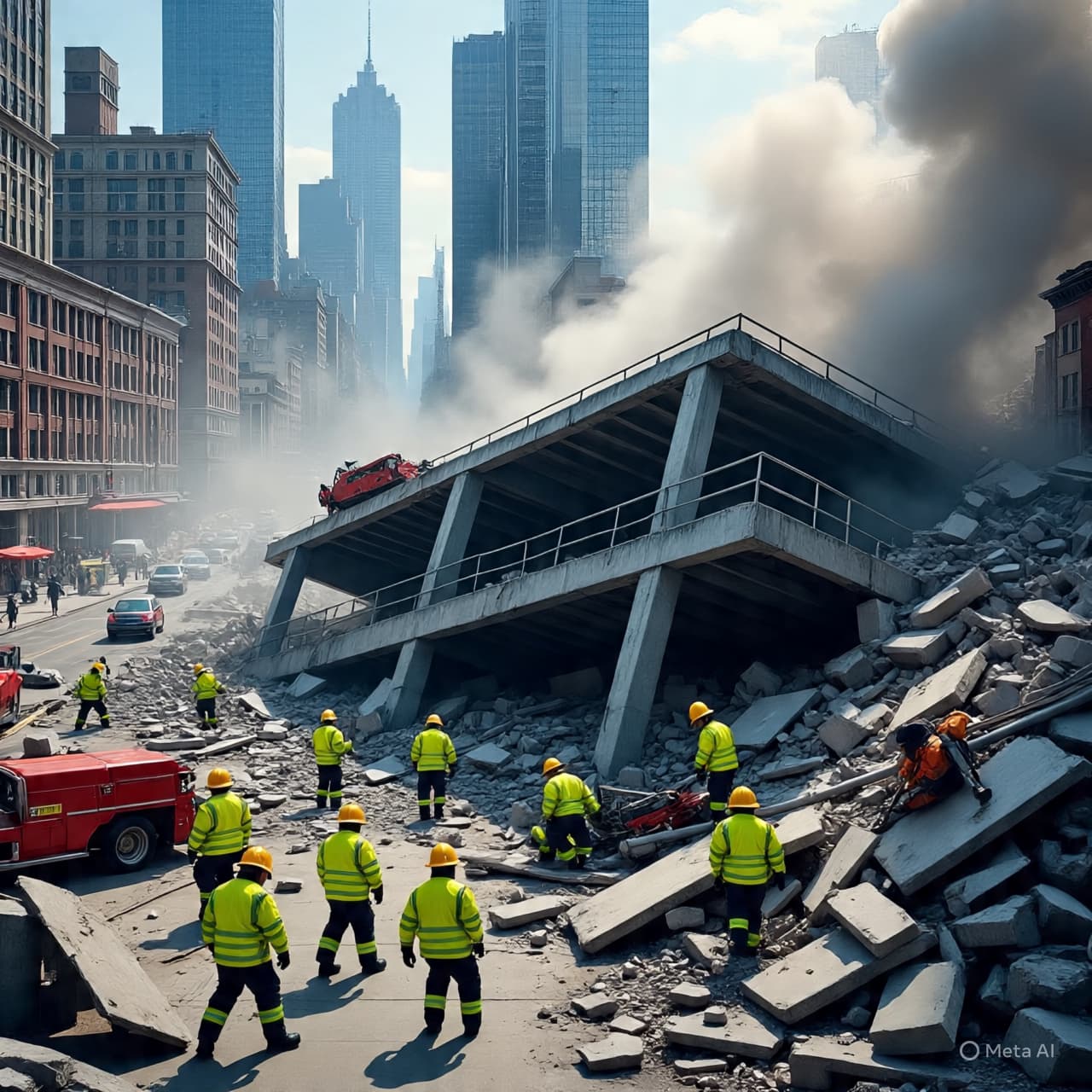
Key Highlights
- Incident:A parking garage in Seattle's Capitol Hill collapsed, resulting in fatalities and injuries.
- Emergency Response:First responders navigated unstable conditions to assist victims.
- Community Impact:Residents gathered for a meeting to discuss safety concerns and future infrastructure assessments.
On a seemingly ordinary day in Seattle's Capitol Hill neighborhood, a tragic event unfolded that would shake the community to its core. A parking garage within the Capitol Hill Organized Protest (CHOP) area collapsed, leading to a scene of chaos and despair. The incident not only resulted in fatalities and injuries but also left residents grappling with questions about safety and structural integrity in their urban environment.
Emergency responders rushed to the scene, working tirelessly amidst the debris to locate and assist those trapped or injured. The scale of the collapse raised immediate concerns about the structural integrity of the garage and the safety oversight that allowed such a disaster to occur. Local authorities have confirmed that an investigation is underway to ascertain the cause of the collapse, with early reports indicating potential structural failure in a specific section of the garage. However, officials have cautioned that definitive conclusions will only come after a thorough technical review.
In the wake of the collapse, community members convened for a meeting aimed at addressing their concerns and providing updates on the situation. This gathering highlighted the collective need for information and reassurance among residents. Attendees voiced questions regarding building safety standards and the future of nearby structures, reflecting a community deeply affected by the incident.
City officials and engineers have initiated preliminary assessments of surrounding infrastructure to identify any potential risks. These inspections are crucial for ensuring that similar incidents do not occur in the future. While these measures are procedural, they carry significant weight for residents who are seeking a renewed sense of security in their neighborhood.
Witnesses described the moment of the collapse as sudden and disorienting, with the sound echoing across nearby streets, followed by a cloud of dust that obscured visibility. These firsthand accounts add a human dimension to what might otherwise be perceived solely as an engineering failure, reminding us that behind every statistic are real lives impacted by tragedy.
Urban safety experts emphasize the importance of ongoing maintenance and inspection for parking structures and all buildings. Factors such as material fatigue, design flaws, and environmental conditions can contribute to structural vulnerabilities over time. The Capitol Hill incident serves as a stark reminder of the need for vigilance in urban safety practices.
The community meeting also provided a space for remembrance, acknowledging the lives lost and the profound impact on families. Amid discussions of safety and accountability, the emotional resonance of the event was palpable, underscoring that beyond policy and procedure, this tragedy has left an indelible mark on the community.
As investigations continue, the focus remains on understanding both the immediate cause of the collapse and its broader implications for urban safety. For the Capitol Hill community, the path forward will likely involve not only structural reassessment but also emotional recovery as they navigate the aftermath of this devastating event.
In the quiet aftermath, where questions linger longer than answers, the hope is that clarity will emerge—not only to explain what happened but to help prevent such tragedies from occurring in the future.
Published by Banx Network. This article is part of the Banx decentralized media programme, powered by the BXE token on the XRP Ledger.




