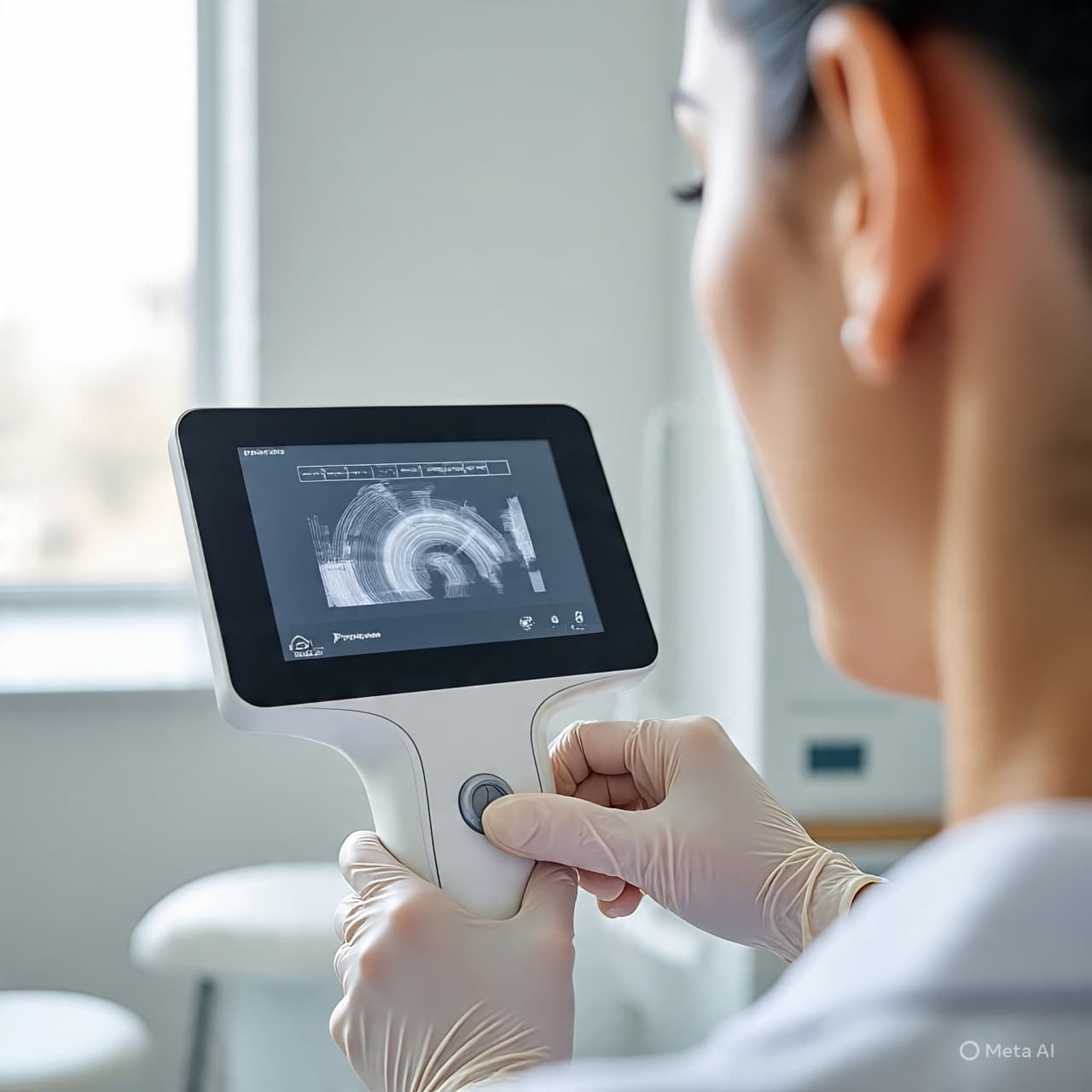
Beneath the surface of the human body lies a quiet architecture—layers of tissue that support, protect, and connect. Among these, collagen forms a kind of hidden framework, shaping skin, tendons, and organs with a strength that often goes unnoticed.
Advances in near-infrared (NIR) spectroscopy are beginning to illuminate this hidden world. By using specific wavelengths of light, researchers can now assess subsurface collagen without invasive procedures, offering a new way to observe what was once concealed.
The principle is both simple and intricate. NIR light penetrates biological tissue and interacts with molecular structures, producing signals that can be analyzed to determine composition and integrity. Collagen, with its unique properties, reflects and absorbs light in identifiable patterns.
This technology opens possibilities across multiple fields. In dermatology, it may help assess skin aging or monitor the effectiveness of treatments. In orthopedics, it could provide insights into tendon health or injury recovery without the need for surgery or imaging techniques like MRI.
There is also potential in wound care. By evaluating collagen beneath healing skin, clinicians may better understand how tissue is regenerating, allowing for more tailored interventions. The process becomes less about observation from the outside, and more about understanding from within.
Researchers emphasize the non-invasive nature of the method. Patients experience minimal discomfort, while clinicians gain access to detailed information. This balance between precision and gentleness reflects a broader trend in medical technology.
Still, challenges remain. Interpreting NIR signals requires sophisticated algorithms and careful calibration. Variations in skin tone, hydration, and other biological factors can influence readings, requiring ongoing refinement.
As the technology evolves, integration with other diagnostic tools may enhance its utility. Combined approaches could provide a more comprehensive picture of tissue health, blending multiple streams of data into a coherent understanding.
Beyond clinical applications, the development also carries implications for research. Studying collagen dynamics in real time could deepen knowledge of aging, disease progression, and tissue repair.
In the quiet interplay of light and biology, a new form of visibility emerges—one that does not disturb what it observes, but gently reveals it.
AI Image Disclaimer Visuals are created with AI tools and are not real photographs.
Source Check Nature Biomedical Engineering IEEE Spectrum Scientific American Journal of Biomedical Optics MIT Technology Review
Published by Banx Network. This article is part of the Banx decentralized media programme, powered by the BXE token on the XRP Ledger.