In the high desert where rock meets silence, the land keeps its own long memory. Minerals lie folded beneath the surface, patient and unmoved by election cycles or headlines, waiting decades—sometimes centuries—before they are called upon. It is this deep, geological sense of time that quietly frames a new proposal taking shape in Washington.
Former President Donald Trump has unveiled plans for a $12 billion strategic mineral reserve, a stockpile intended to reduce U.S. reliance on China for critical materials used in everything from electric vehicles to defense systems. The announcement arrived wrapped in familiar language of strength and self-sufficiency, but its substance speaks to a broader anxiety shared across administrations and industries alike.
Rare earths, lithium, cobalt, and other critical minerals have become the unseen scaffolding of modern life. They power batteries, guide missiles, and animate the technologies that promise cleaner energy and faster computation. For years, China has dominated the processing and supply chains that turn raw ore into usable material, giving it a quiet leverage over global manufacturing. The proposed reserve aims to blunt that leverage by securing domestic and allied sources, storing materials for future use much as the Strategic Petroleum Reserve once did for oil.
Under the plan, federal funds would be used to purchase and store critical minerals, encouraging domestic mining and processing while providing a buffer against supply disruptions. Supporters describe it as an investment in resilience, a way to stabilize markets and ensure access during geopolitical tension. Critics, more cautious, note the environmental costs of mining and the long timelines required to build processing capacity at home.
The idea itself is not entirely new. Concerns over mineral dependence have surfaced repeatedly in recent years, echoed by lawmakers from both parties and by the Biden administration’s own efforts to secure supply chains through subsidies and partnerships. What distinguishes Trump’s proposal is its scale and framing: a large, centralized reserve positioned explicitly as a counterweight to China’s dominance.
The markets that orbit these materials are already sensitive. Prices rise and fall on rumors of export controls or new discoveries. Mining projects face years of permitting before a single ton is extracted. A reserve promises stability, but only if paired with sustained investment and regulatory clarity—conditions that cannot be conjured overnight.
As the proposal enters political debate, its fate will hinge on more than numbers. It will test how the country balances urgency with stewardship, competition with cooperation. Beneath it all lies the quiet truth that minerals, once pulled from the earth, bind policy to place. They remind governments that power is not only projected through words or weapons, but through the patient work of securing what lies below.
Whether the $12 billion reserve becomes law or remains an outline, it reflects a moment when geology and geopolitics intersect. In that meeting point, the future of technology, trade, and national strategy is being negotiated—slowly, deliberately, and far beneath the surface.
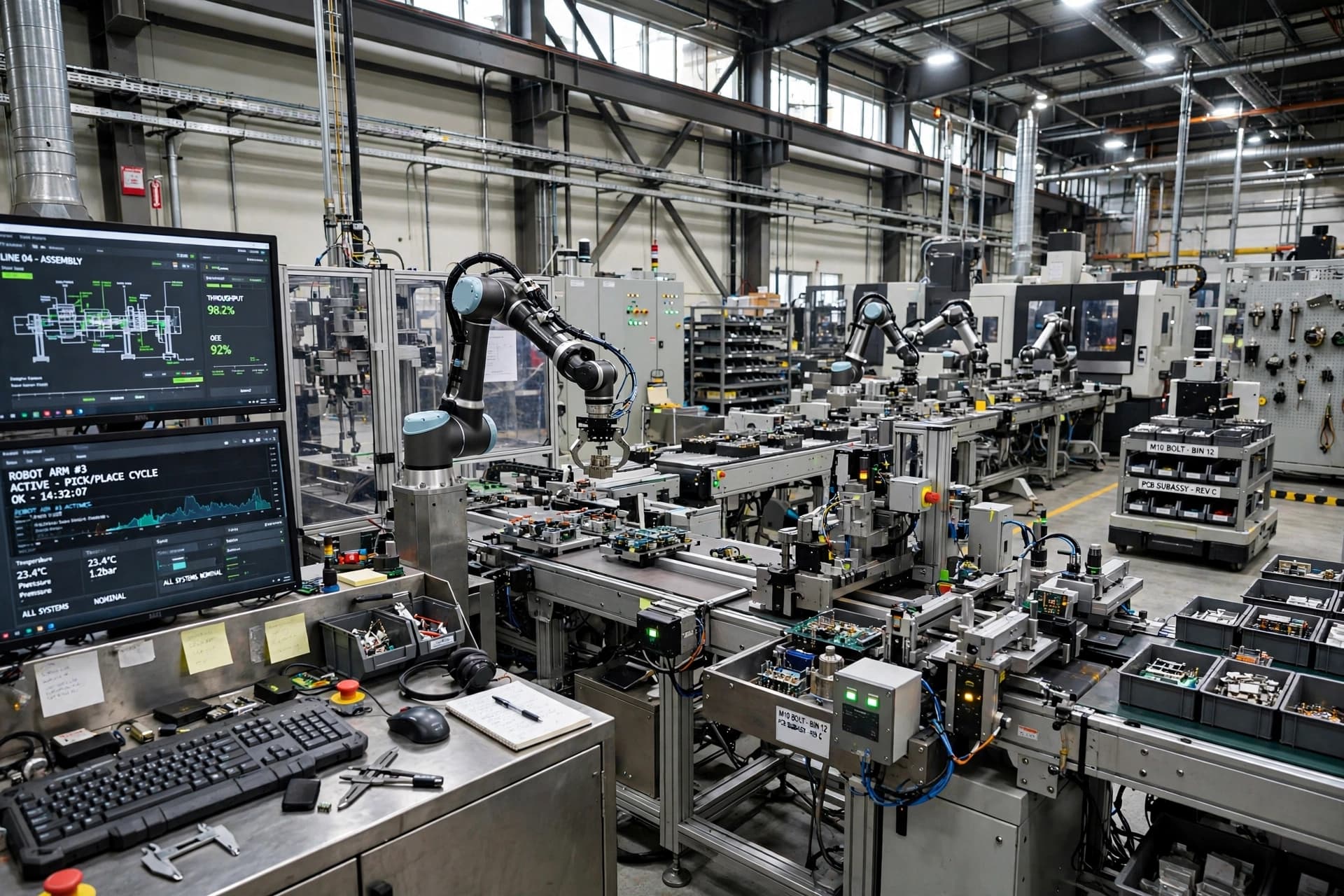
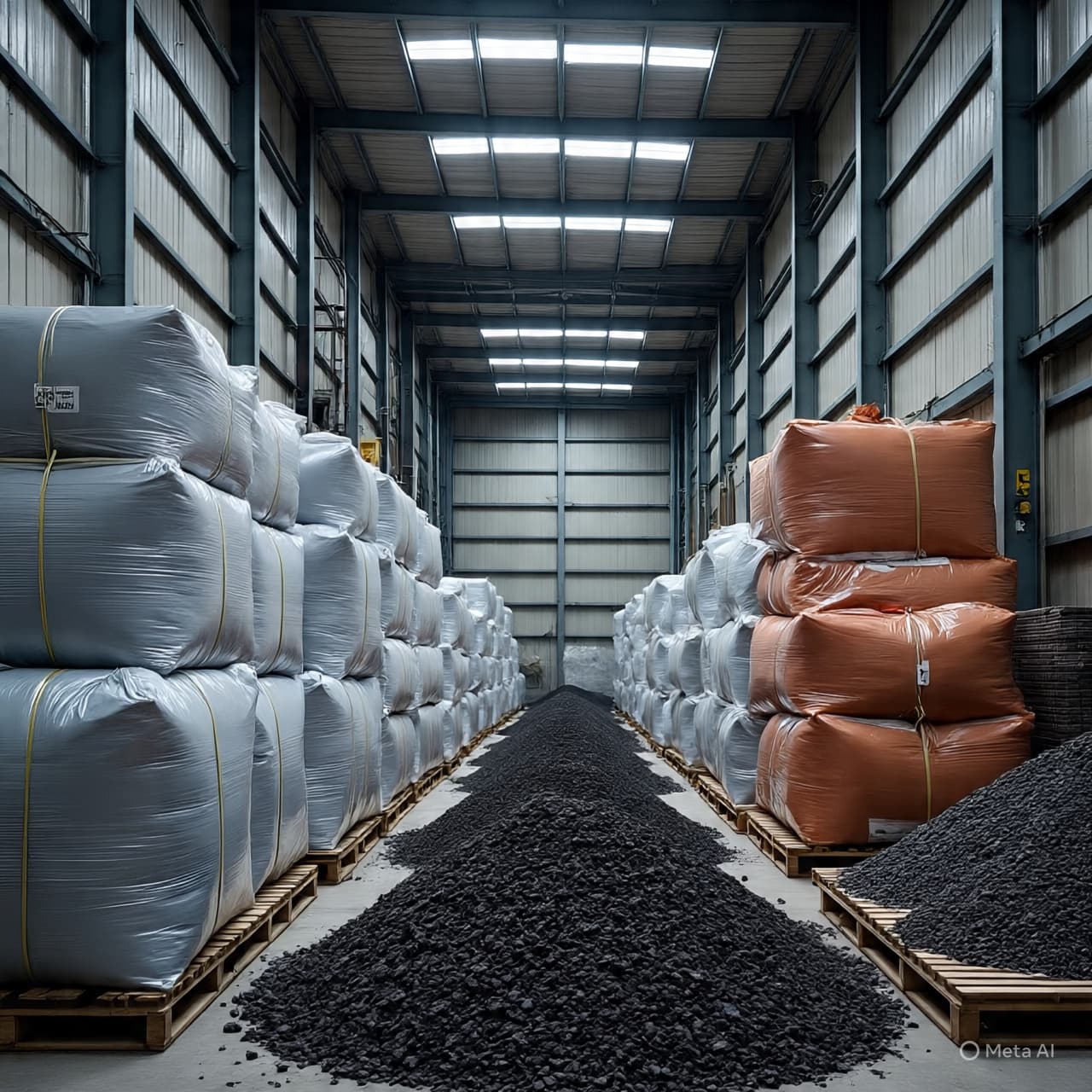
AI Image Disclaimer Visuals are AI-generated and serve as conceptual representations.
Sources Reuters Bloomberg The Wall Street Journal Financial Times U.S. Department of the Interior
Published by Banx Network. This article is part of the Banx decentralized media programme, powered by the BXE token on the XRP Ledger.