There are moments in global markets when the visible story is not the only one unfolding. Like currents beneath the surface, some forces move quietly, shaping outcomes that are not immediately apparent. In times of conflict, attention often settles on what rises most sharply—yet what shifts more subtly can carry consequences just as profound.
As tensions involving Iran continue to ripple across energy markets, oil prices have drawn the most immediate focus, climbing above key thresholds and signaling concern. But beneath that visible surge lies another development, less dramatic in appearance yet potentially more disruptive in effect: the growing strain on natural gas.
Unlike oil, which moves through globally interconnected shipping routes, natural gas often depends on more fixed infrastructure—pipelines, regional networks, and liquefied natural gas (LNG) terminals. This structure makes it less flexible in times of الأزمة. When disruption occurs, the ability to redirect supply is more limited, creating localized imbalances that can intensify quickly.
Analysts note that the current situation has exposed this vulnerability. While oil markets have shown resilience, with alternative supply routes and strategic reserves helping to absorb shocks, natural gas systems face tighter constraints. Interruptions in production or transport can ripple outward with fewer immediate substitutes available.
In regions already sensitive to energy supply—particularly parts of Europe and Asia—the effects are being closely monitored. Price volatility in natural gas markets has begun to reflect these concerns, with fluctuations driven not only by physical supply but also by expectations of further disruption. The نتيجة is a more complex and, at times, less predictable energy landscape.
The role of Iran in this dynamic adds another layer. While not the largest global exporter of natural gas, its position within the broader regional network means that instability can influence neighboring production and transit routes. The interconnected nature of energy systems ensures that even indirect effects can carry weight.
At the same time, the global push toward energy diversification has not fully insulated markets from such shocks. Renewable energy sources continue to grow, yet natural gas remains a critical component in many countries’ energy mixes, particularly as a transitional fuel. This reliance underscores the significance of any disruption.
Observers suggest that the differing impacts on oil and gas highlight an important distinction: not all energy markets respond in the same way to geopolitical stress. Oil, with its global liquidity, can adjust more readily. Natural gas, bound more tightly to infrastructure, often reflects strain more sharply when conditions change.
For policymakers and industry leaders, these developments raise questions about resilience and preparedness. How systems are designed, how supply chains are managed, and how risks are mitigated all come into focus during periods of tension. The current situation serves as a reminder that stability in energy markets depends on both flexibility and foresight.
As events continue to unfold, the contrast between oil and natural gas remains a key point of attention. While headlines may center on rising oil prices, the quieter shifts in gas markets suggest a deeper and potentially more lasting impact.
For now, reports indicate continued volatility in natural gas pricing and supply concerns linked to the broader regional situation. Oil markets remain elevated, but comparatively steadier. The full extent of the impact, particularly on gas, will likely become clearer in the weeks ahead as both conflict and response evolve.
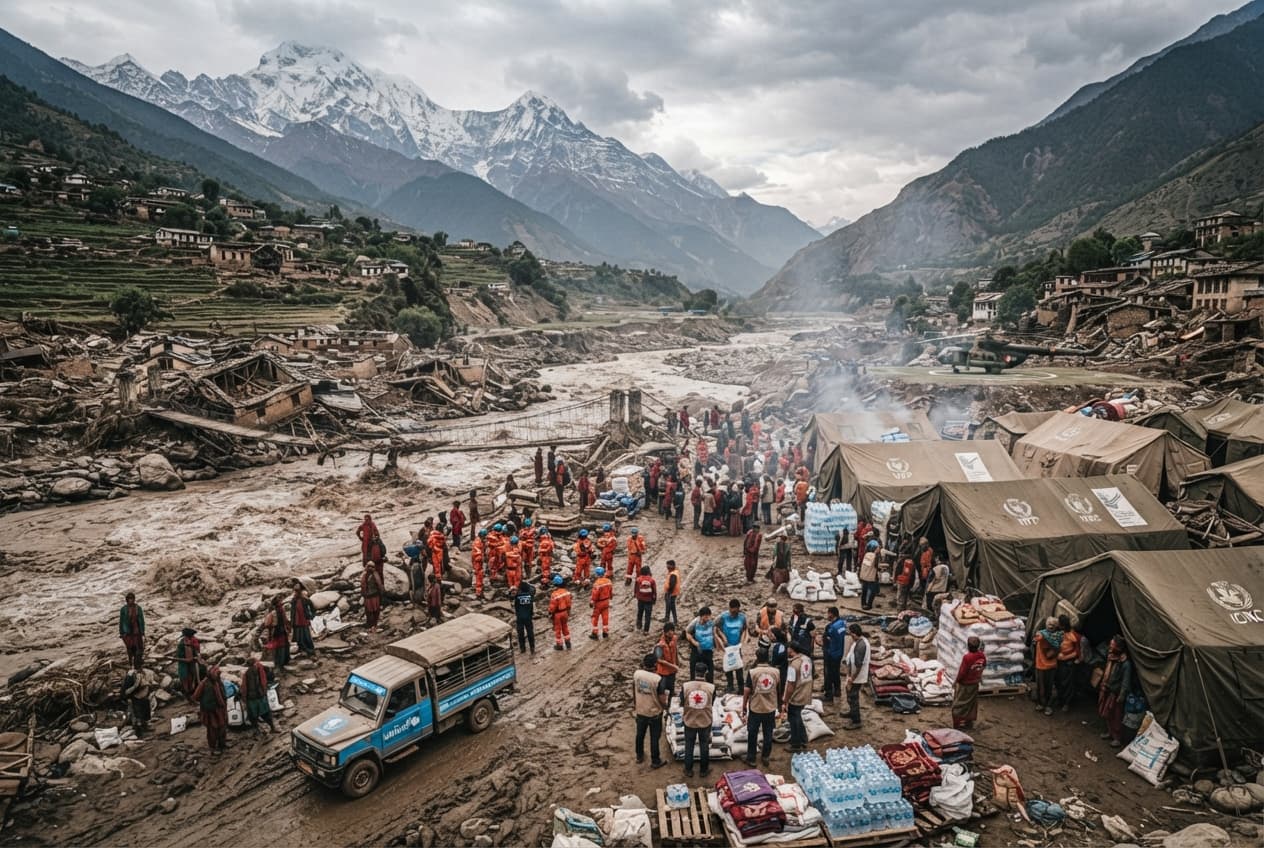
AI Image Disclaimer Visuals are created with AI tools and are not real photographs.
Source Check Credible sources found:
Reuters Bloomberg Financial Times CNBC The Wall Street Journal
Published by Banx Network. This article is part of the Banx decentralized media programme, powered by the BXE token on the XRP Ledger.