
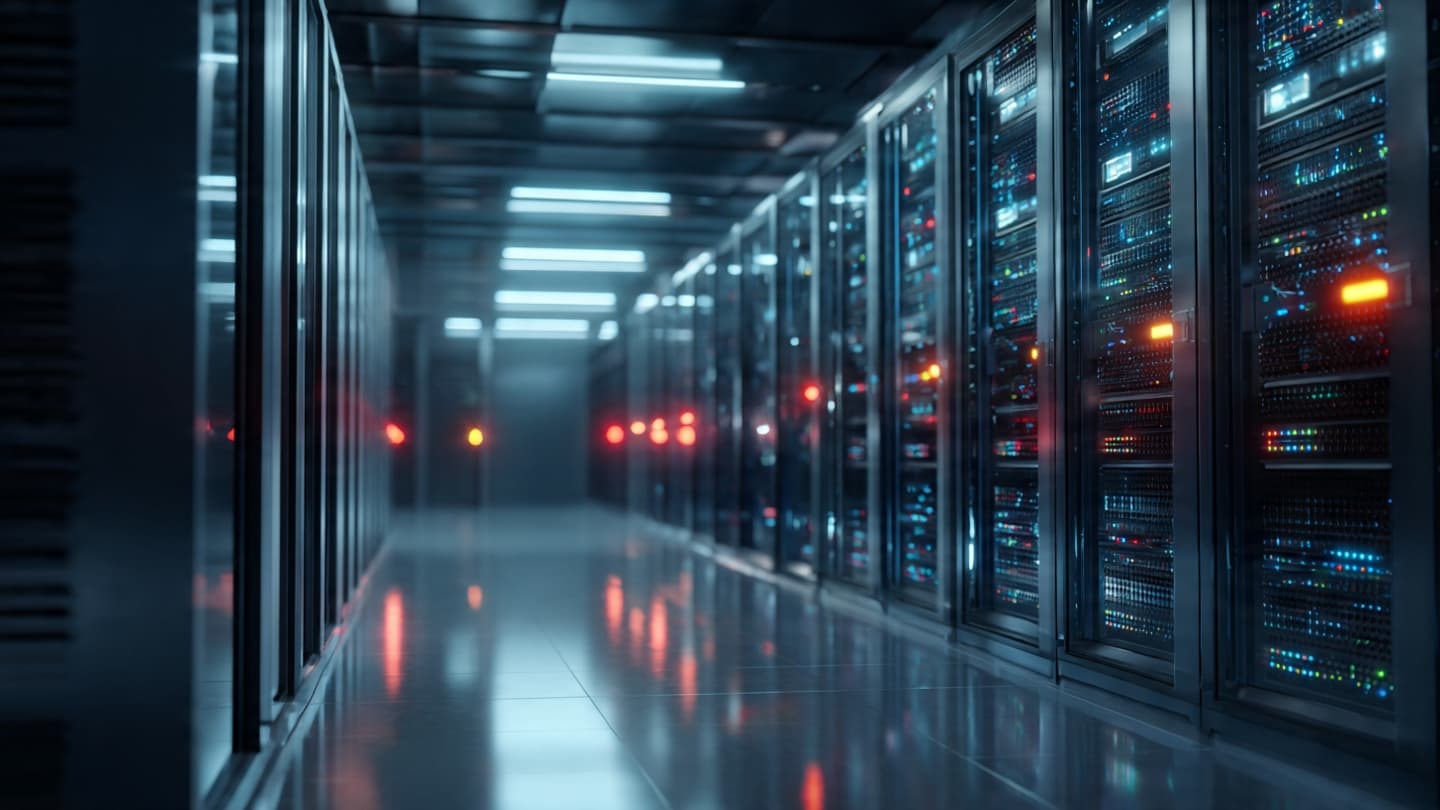
Modern artificial intelligence often captures attention through its capabilities, from generating content to solving complex problems. Yet behind these visible achievements lies a less visible story involving the hardware that makes such progress possible. In 2026, advancements in Tensor Processing Unit (TPU) technology are playing an increasingly important role in improving efficiency across large-scale computing environments.
TPUs are specialized processors designed to accelerate machine learning tasks. Unlike general-purpose processors, these systems are optimized specifically for artificial intelligence workloads, allowing them to perform calculations more efficiently and at greater speed. As AI applications continue expanding, demand for such specialized hardware has grown substantially.
Technology companies are investing heavily in next-generation TPU designs. These processors are engineered to support increasingly complex AI models while reducing energy consumption and operational costs. Such improvements are particularly important as computational requirements continue to rise.
One of the key benefits of TPU technology is its ability to process large volumes of data quickly. This capability enables researchers and businesses to train advanced AI systems more efficiently, reducing development times and accelerating innovation across multiple industries.
Cloud computing providers are among the primary beneficiaries of these advancements. As organizations increasingly rely on AI-powered services, cloud infrastructure operators require hardware capable of delivering consistent performance at scale. TPUs help meet these demands by improving computational efficiency.
Scientific research is another area experiencing significant advantages. Researchers utilize specialized processors to conduct simulations, analyze datasets, and develop AI-driven solutions for challenges ranging from healthcare to environmental science. Faster processing can accelerate discoveries and improve research productivity.
Energy efficiency remains a central consideration. Data centers consume substantial amounts of electricity, making improvements in processor efficiency highly valuable. New TPU architectures are helping organizations perform more calculations while using fewer resources, supporting both economic and environmental objectives.
Industry experts believe specialized hardware will remain essential as artificial intelligence evolves. Future AI systems are expected to require even greater computational power, increasing the importance of technologies capable of delivering high performance efficiently.
As the digital economy continues expanding, TPU advancements demonstrate how innovation often occurs behind the scenes. Though less visible than the applications they support, these processors represent critical building blocks of the technologies shaping the future, quietly enabling progress across industries and research fields alike.
AI Image Disclaimer: Graphics are AI-generated and intended for representation, not reality.
Sources: ArXiv, Reuters, IEEE Spectrum, MIT Technology Review, Semiconductor Engineering.
Note: This article was published on BanxChange.com and is powered by the BXE Token on the XRP Ledger. For the latest articles and news, please visit BanxChange.com