

Key Highlights
- U.S. military assets are being repositioned in the Middle East amid rising tensions.
- Diplomatic efforts are ongoing to prevent further instability in the region.
- Analysts emphasize that military deployments are often precautionary rather than indicative of imminent conflict.
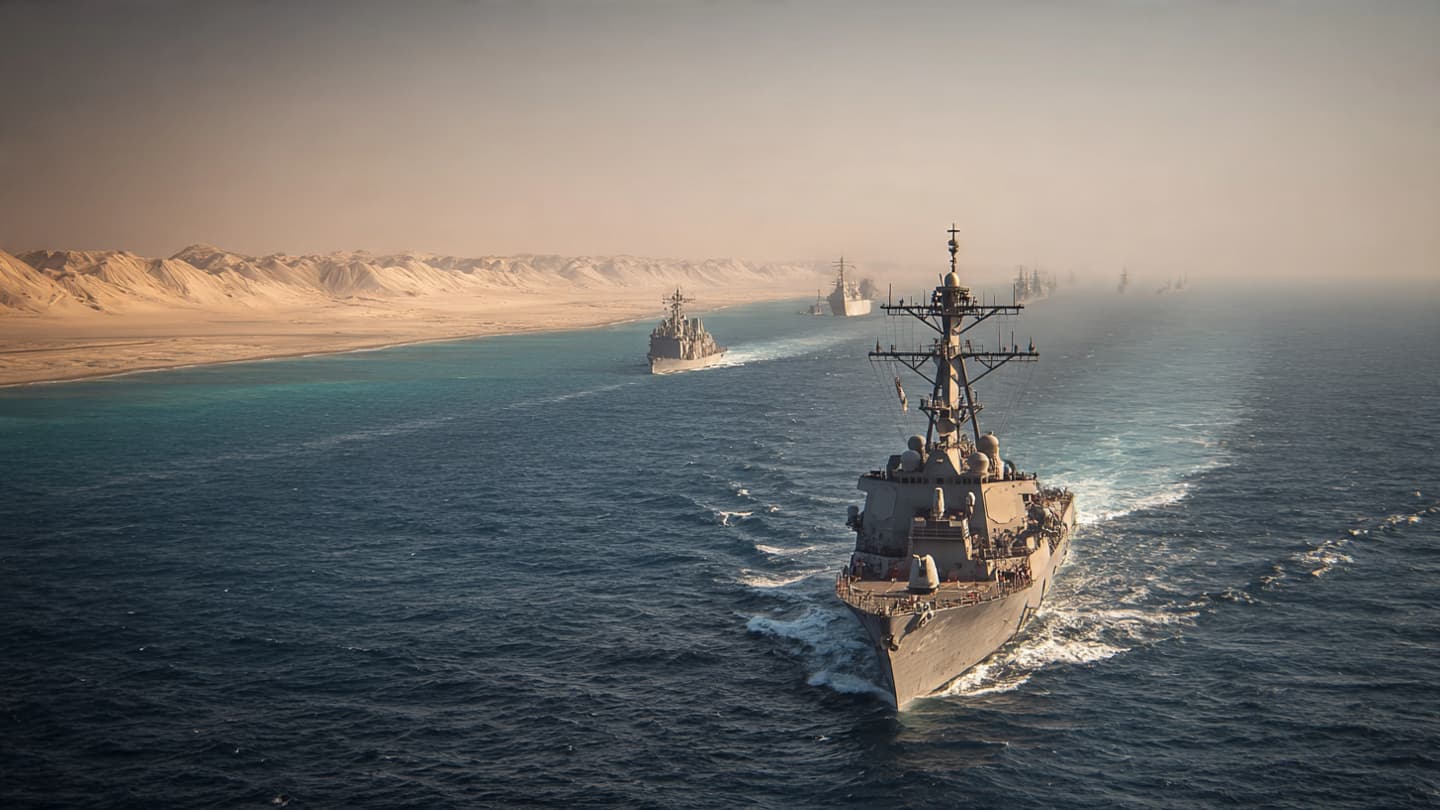
The Middle East has long stood at the crossroads of history, where diplomacy, security, and regional interests frequently converge. In moments of heightened tension, even subtle movements can attract global attention, reflecting the interconnected nature of international affairs. Recently, the United States has reportedly begun positioning additional military assets in the Middle East as regional tensions continue to evolve. Officials indicate that these deployments are intended to enhance readiness and provide policymakers with a broader range of strategic options.
While American defense authorities have not publicly detailed every aspect of the deployments, reports suggest that naval and air assets are among the resources being repositioned. Such measures are often employed to reassure allies and deter potential escalation. The latest developments come amid ongoing uncertainty surrounding several regional flashpoints, including tensions involving Iran, Israel, and various non-state actors.
Diplomatic efforts involving multiple countries remain underway as governments seek to prevent further instability. Security analysts note that military deployments do not necessarily indicate imminent conflict. Instead, they frequently serve as precautionary measures designed to increase flexibility and strengthen deterrence capabilities. This perspective is crucial as it underscores the importance of maintaining a balance between military readiness and diplomatic engagement.
Regional governments and international organizations continue to emphasize diplomacy as the preferred path for addressing disputes. Many policymakers have urged restraint while encouraging dialogue among all parties involved. This diplomatic approach is vital, especially in a region where misunderstandings can quickly escalate into broader conflicts.
Global markets are also closely monitoring developments in the Middle East. Historically, heightened tensions in the region have influenced energy prices and investor sentiment due to its strategic importance. As military assets are repositioned, market analysts are assessing potential impacts on oil supply and pricing, which could reverberate through the global economy.
Foreign policy specialists stress that sustained diplomatic engagement remains essential for reducing risks and promoting long-term stability across the region. As events continue to unfold, governments around the world are expected to watch closely for signs of either de-escalation or further tension in one of the world's most strategically significant areas. The interplay between military readiness and diplomatic efforts will be critical in shaping the future of the Middle East.
Published by Banx Network. This article is part of the Banx decentralized media programme, powered by the BXE token on the XRP Ledger.




