
Key Highlights
- Increase in asylum seekers:Canadian authorities report a rise in individuals seeking asylum from the U.S.
- Impact on resources:Federal officials are evaluating how this influx affects reception centers and legal processing.
- Advocacy for humane procedures:Groups call for efficient asylum processing to benefit both applicants and communities.
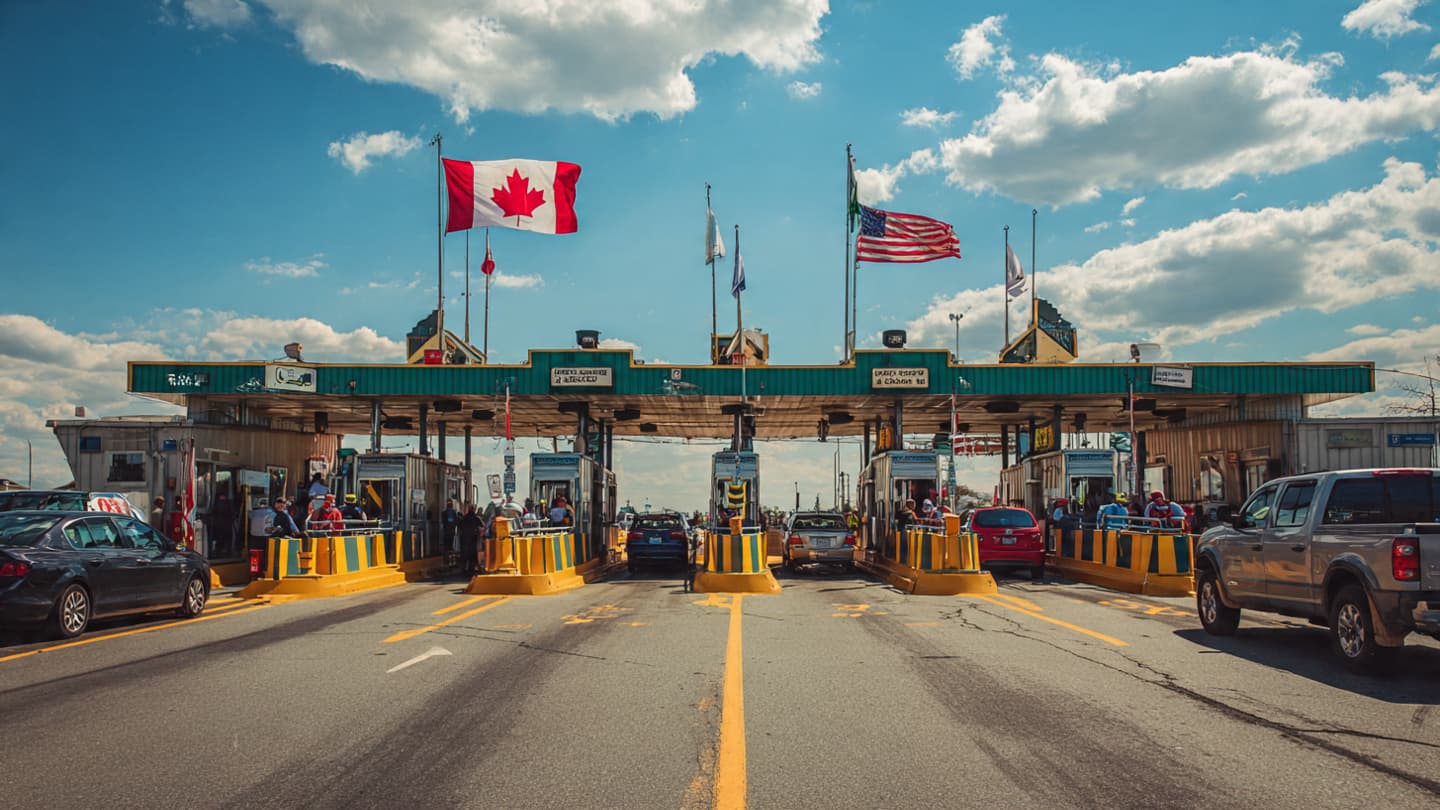
As borders are defined by lines on maps, the human journeys that traverse them are often complex and multifaceted. In North America, recent shifts in immigration policies have led to a notable increase in asylum seekers attempting to enter Canada from the United States. This trend has prompted Canadian authorities to reassess their approach to immigration and asylum processing, as individuals and families seek stability and new beginnings in a changing landscape.
Federal officials have reported a significant uptick in asylum applications, which has raised concerns about the capacity of reception centers and the legal processing systems in place. As the situation evolves, coordination between national and provincial governments has become increasingly vital. Authorities are working to manage resources effectively to accommodate the growing number of asylum seekers while ensuring compliance with both domestic laws and international obligations.
Canada's asylum framework is designed to process claims in a manner that respects the rights of applicants. However, sustained increases in asylum applications can strain housing availability, legal assistance, and administrative capacity. Migration specialists emphasize that the movements of asylum seekers are influenced by a variety of factors, including changes in immigration policy, economic conditions, family connections, and perceptions of safety and opportunity in their home countries.
Local governments have voiced concerns about the practical challenges of accommodating newcomers, particularly in urban areas already grappling with housing shortages and rising living costs. The influx of asylum seekers can exacerbate existing issues, leading to tensions in communities that are struggling to provide adequate support for both newcomers and long-term residents.
Advocacy groups are actively calling for more efficient and humane asylum procedures. They argue that timely processing of claims not only benefits the applicants but also fosters confidence in the immigration system among host communities. By ensuring that asylum seekers receive fair treatment, these groups believe that Canada can uphold its humanitarian commitments while managing the complexities of border control.
Policymakers are currently engaged in discussions about long-term strategies that aim to balance humanitarian obligations with effective border management. As migration patterns continue to evolve, Canadian officials have stated that monitoring efforts will persist, with future decisions focusing on maintaining orderly processing and upholding the country's international asylum obligations.
In conclusion, the landscape of immigration in Canada is shifting, and the increase in asylum seekers reflects broader trends in global migration. As authorities navigate these challenges, the need for a compassionate and efficient asylum process remains paramount, ensuring that those seeking refuge can find safety and stability in their new home.
Published by Banx Network. This article is part of the Banx decentralized media programme, powered by the BXE token on the XRP Ledger.



