
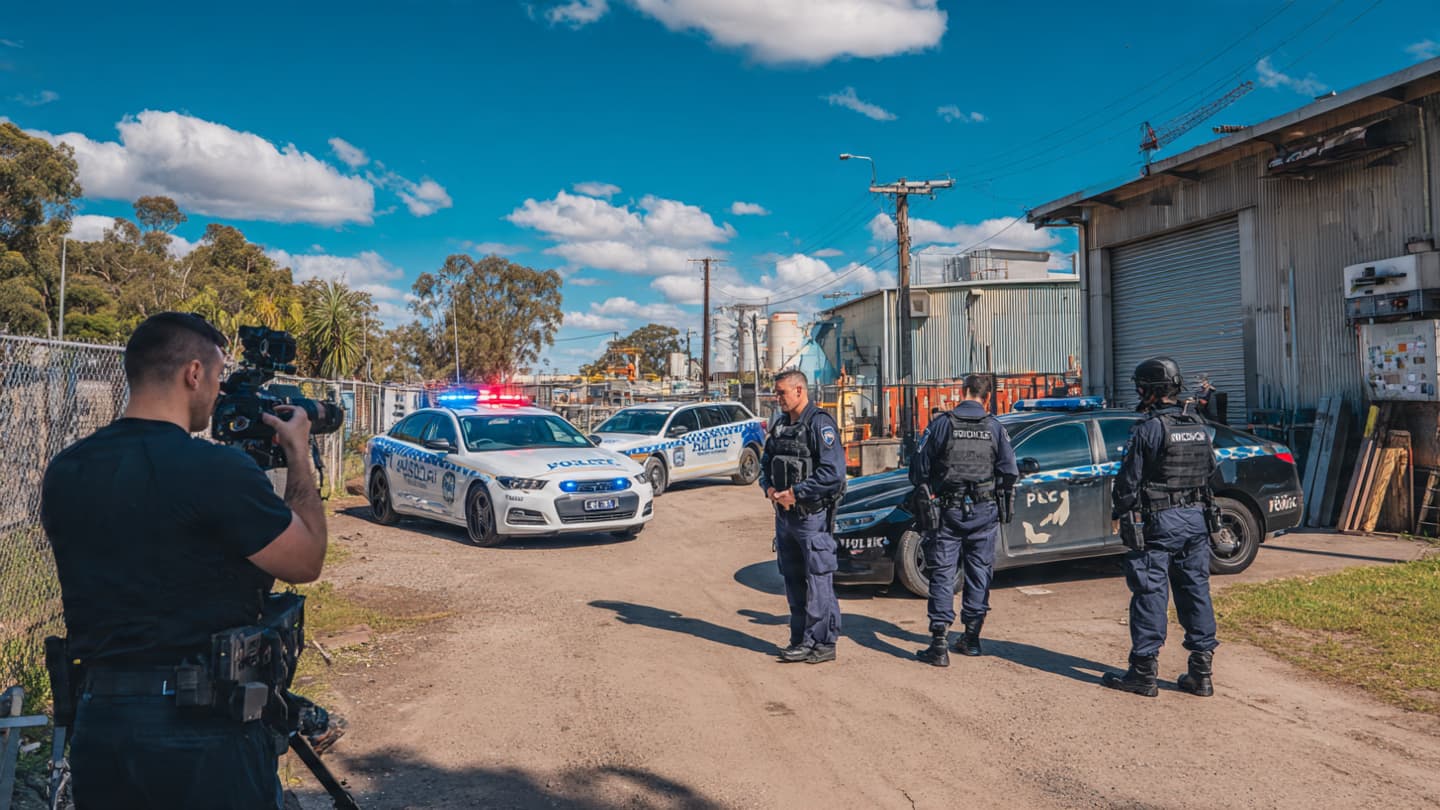
Key Highlights
- Major Operation:Australian police uncover one of the largest cocaine smuggling networks in the country.
- Underground Facility:Authorities discovered a sophisticated underground storage facility used for illicit substances.
- International Cooperation:The investigation involved multiple law enforcement agencies, reflecting the global nature of drug trafficking.
Australia's law enforcement agencies have recently exposed a significant cocaine smuggling operation, described as one of the largest in the nation's history. This revelation comes as authorities continue to combat the hidden networks that operate beneath the surface of everyday life in cities and ports across the country. The investigation has shed light on the complexities and challenges faced by law enforcement in tackling organized crime.
The Australian Federal Police (AFP) announced the findings, detailing the discovery of a highly organized criminal operation that included substantial quantities of cocaine and a concealed underground storage facility. This sophisticated setup underscores the extensive resources that organized crime groups possess, enabling them to manage large-scale trafficking operations effectively.
The investigation was marked by collaboration among various law enforcement agencies, highlighting the increasingly international nature of narcotics trafficking. Modern criminal networks often span multiple countries, necessitating coordinated responses from both domestic and international law enforcement bodies. This case exemplifies the need for such cooperation, as authorities work together to dismantle these complex networks.
Officials revealed that the underground bunker discovered during the investigation had been used to store and manage illicit substances, showcasing the level of sophistication involved in the operation. The facility's design and functionality indicate a well-planned approach to drug trafficking, which poses significant challenges for law enforcement agencies tasked with preventing such activities.
Dismantling operations like this is crucial not only for disrupting drug supply chains but also for addressing associated criminal activities, including money laundering and organized violence. The Australian government has long maintained strict border security measures aimed at preventing illegal narcotics from entering the country. However, authorities acknowledge that criminal organizations continuously adapt their methods in response to enforcement efforts, making it a constant battle.
Criminologists emphasize that large drug seizures can provide valuable intelligence regarding trafficking routes and operational structures. Investigations often extend well beyond initial arrests, as authorities strive to identify broader networks and connections within organized crime. This ongoing effort is essential for understanding and combating the evolving threats posed by transnational organized crime.
As legal proceedings progress, Australian authorities have reiterated their commitment to pursuing individuals involved in large-scale drug trafficking. This investigation serves as a stark reminder of the ongoing contest between law enforcement and organized criminal enterprises, underscoring the need for vigilance and adaptability in the face of evolving challenges.
The case has drawn renewed public attention to the persistent issues surrounding organized crime and drug trafficking in Australia. Governments and policing agencies across the region are increasingly strengthening intelligence-sharing arrangements to confront these threats effectively. As the situation develops, the focus remains on ensuring that those involved in such illicit activities are held accountable.
Published by Banx Network. This article is part of the Banx decentralized media programme, powered by the BXE token on the XRP Ledger.



