
Key Highlights
- Emergency Supplies:Warsaw's mayor showcases preparedness in metro stations.
- Historical Context:The city's legacy informs its resilience planning.
- European Trends:Growing focus on civil preparedness across Europe.
Warsaw, a city steeped in history, carries its memories in both visible and hidden places. From the meticulously rebuilt streets to the monuments that stand resilient among modern architecture, the essence of the past is palpable. Recently, this historical consciousness was brought to the forefront when Mayor Rafał Trzaskowski shared a video from a metro station, revealing a different kind of message: the city's preparations for potential emergencies.
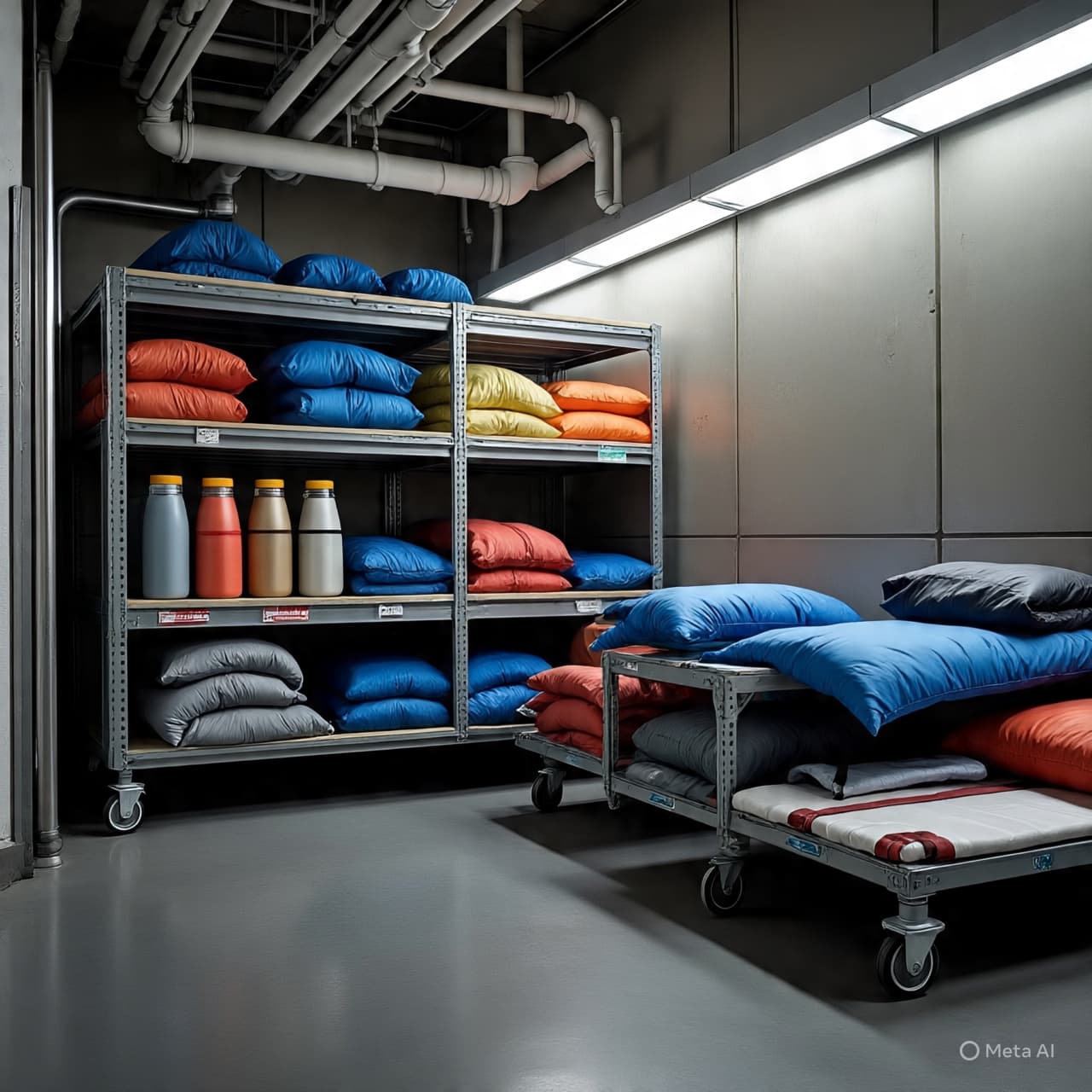
In the video, Trzaskowski stood amidst rows of essential supplies, including thermos bottles, canteens, folded sleeping bags, stretchers, and folding beds. These items, while practical, are not intended for comfort but rather for readiness in times of crisis. The mayor also announced the acquisition of generators, which are crucial for providing electricity to areas that may lose power during emergencies.
This initiative is part of a broader strategy to ensure that public infrastructure can serve multiple purposes, especially in times of need. Metro stations, known for their structural resilience, are seen as ideal locations for emergency preparedness. They are deep, sheltered, and capable of accommodating large groups of people, making them vital assets in the city's contingency planning.
The focus on civil preparedness has become increasingly relevant across Europe, where governments and local authorities are revisiting contingency plans that were established during previous periods of tension. The aim is not to predict specific crises but to ensure that cities are equipped to handle unexpected situations effectively.
Warsaw's approach to emergency preparedness is deeply rooted in its historical experiences of destruction and rebuilding. The city has faced significant challenges throughout its history, and this legacy shapes how officials prioritize resilience. For them, preparing supplies and reinforcing infrastructure is not merely a precaution but a practical responsibility that reflects the city's commitment to its residents.
The video showcasing the stocked supplies was devoid of alarms or dire warnings; instead, it presented a calm and organized view of logistics at work. For the daily commuters passing through the metro, life continues as usual, with trains arriving and departing on schedule. Yet, beneath the surface, the city is engaged in a quiet but essential effort to prepare for uncertainties that may lie ahead.
As residents navigate their daily routines, the knowledge that their city is taking steps to ensure safety and preparedness offers a sense of security. In a world where unpredictability is a constant, Warsaw's proactive measures serve as a reminder that even in peaceful times, cities must remain vigilant and ready for whatever challenges may arise.
Published by Banx Network. This article is part of the Banx decentralized media programme, powered by the BXE token on the XRP Ledger.



