

Key Highlights
- Project Approval:The Australian government has approved the Annie Gas Field Project in the Otway Basin.
- Environmental Concerns:Critics warn of potential risks to marine ecosystems near the Twelve Apostles Marine National Park.
- Energy Transition:The project reflects ongoing debates about balancing energy reliability with environmental responsibility.
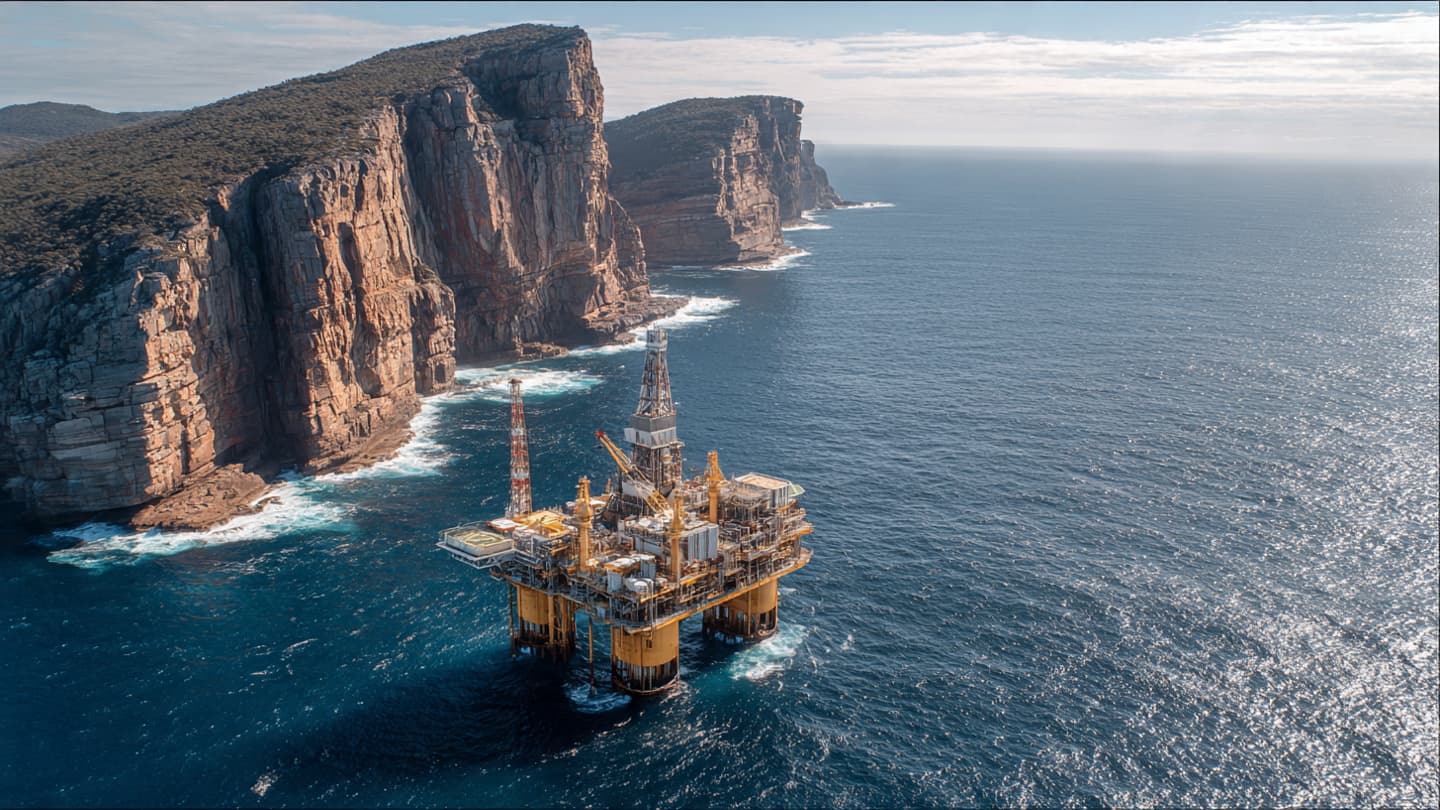
Australia's energy landscape is once again at a crossroads as the federal government has approved the Annie Gas Field Project in the Otway Basin. This decision allows for offshore gas extraction near Victoria's southwestern coast, a region renowned for its natural beauty and tourism appeal, particularly around the iconic Twelve Apostles. Operated by Beach Energy, the project is expected to utilize subsea wells connected to existing infrastructure, marking a significant step in Australia's energy narrative.
Supporters of the Annie Gas Field Project argue that it is a crucial part of Australia's strategy to secure domestic energy supplies during a transition to lower-emission systems. The Otway Basin has been a vital energy-producing area for decades, supplying gas to southeastern Australia. Industry representatives contend that developments like Annie are essential for stabilizing supply as older gas fields decline and electricity demand evolves alongside the growth of renewable energy sources.
However, the approval has sparked significant backlash from environmental groups. Critics are particularly concerned about the project's proximity to the environmentally sensitive coastline near the Twelve Apostles Marine National Park. They argue that offshore fossil fuel development could exacerbate Australia's reliance on carbon-intensive energy sources at a time when the nation is striving to reduce greenhouse gas emissions. The tension between energy development and environmental preservation is palpable, as stakeholders from both sides of the debate voice their opinions.
Federal authorities have stated that the approval process included thorough environmental assessments and regulatory reviews. Conditions attached to the project reportedly involve monitoring requirements aimed at mitigating impacts on marine ecosystems and surrounding habitats. Officials have emphasized that stringent regulatory standards remain in place for offshore developments, aiming to balance energy needs with environmental protection.
For coastal communities, the announcement comes amid a broader national dialogue about the balance between energy reliability and environmental responsibility. In many regional areas, resource projects continue to provide essential employment opportunities and infrastructure investments, even as the renewable energy sector expands across the country. This duality highlights the complexities of Australia's energy transition, where gas is often described as a transitional fuel, a characterization that remains contentious among climate advocates.
As the rugged coastline attracts tourists eager to witness the natural beauty of the Twelve Apostles, the discussion surrounding energy and environmental stewardship continues to evolve. The sea beneath these cliffs now carries not only the weight of natural history but also the implications of Australia's shifting energy future.
Beach Energy is expected to move forward with further development planning and operational preparations following the project's regulatory approval. Environmental monitoring and compliance requirements will remain under federal oversight, ensuring that the impacts of this development are closely watched.
Published by Banx Network. This article is part of the Banx decentralized media programme, powered by the BXE token on the XRP Ledger.




