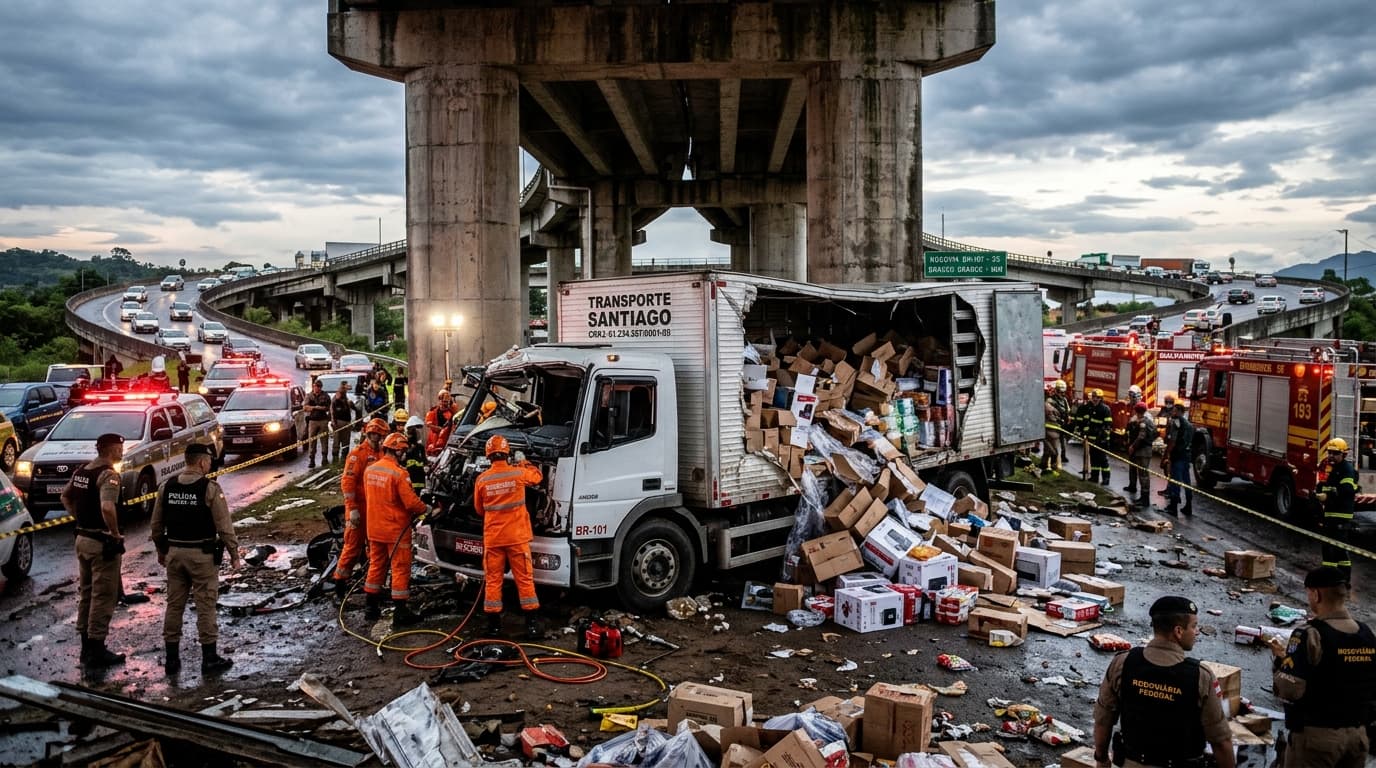
The road is meant to be a place of controlled, predictable movement, where the rhythm of the commute is guided by the shared vigilance of all drivers. When a medical emergency suddenly intervenes, that order is instantly dismantled, transforming the flow of traffic into a site of crisis. The pile-up, which involved three vehicles, is a stark reminder of the hidden variables that exist within our transit systems—the internal, physiological factors that can, in an instant, change the nature of the journey for everyone involved.
For those caught in the collision, the transition from the normal rhythm of the day to the chaos of the crash is jarring. The arrival of the emergency services—the flashing lights, the roar of the equipment, the disciplined movement of the responders—marks the beginning of a long, difficult process of recovery. Treating the multiple passengers is a heavy, sobering reminder of the physical cost that such a crisis can extract, a reality that hits home for everyone sharing the road.
The response was a model of disciplined coordination. First responders moved through the area with a focus that balanced the need for speed with the delicate care required for those injured. Their presence—a contrast to the mechanical life of the highway—underscored the immediate, human urgency of the situation. It was a transition from the macro-level of traffic management to the micro-level of the individual needing care, a moment that highlighted the deep connection between the responders and the public.
The investigation that follows is a process of disciplined, forensic patience. Experts are now working to sift through the details of the incident, looking for the specific sequence of events that led to the collision. It is a necessary, analytical pursuit, yet it is performed with a respectful awareness that the wreckage represents not just a failure of transit, but an interruption of health and daily life. The goal is to understand the event so that the same crisis does not visit another group of commuters in the future.
As the authorities secure the site, the broader community finds itself reflecting on the invisible protections that govern our movement. We live in a society that relies on the efficacy of our road networks, trusting in the health and awareness of the drivers around us. When those systems are tested by a sudden emergency, it forces a collective re-evaluation, a quiet questioning of the systems that define our safety in our shared transit spaces.
The work of stabilizing the area and supporting the affected passengers is expected to continue. It is a slow, methodical process that prioritizes both the integrity of the road and the long-term well-being of the commuters. There is little room for haste when the memory of the pile-up remains so fresh, and the focus remains firmly on the recovery and the prevention of future incidents.
As the investigation progresses, the attention remains on the health of the passengers treated after the accident. The incident serves as a stark, cautionary note for all drivers, emphasizing the critical importance of health awareness and the unwavering maintenance of safety protocols while behind the wheel. In the days ahead, the facts of the collision will be systematically unraveled, providing a clearer narrative of how the crisis occurred and how such accidents can be mitigated.
Three vehicles were involved in the pile-up, which was initiated when a driver suffered a medical emergency. Multiple passengers were treated by medical personnel at the scene before being conveyed to regional facilities for further care. Authorities have since cleared the road, and an investigation into the incident is ongoing, with officials highlighting the importance of regular health monitoring for those operating motor vehicles.
Published by Banx Network. This article is part of the Banx decentralized media programme, powered by the BXE token on the XRP Ledger.