
Key Highlights
- El Niño's Impact: The National Center for Hydro-Meteorological Forecasting warns of a volatile 2026.
- Weather Patterns:Expected fewer storms but with increased intensity.
- Community Resilience:Hanoi's preparations reflect a commitment to adapt to climate change.
As Hanoi approaches 2026, the air carries a palpable tension, signaling a shift in the region's climatic patterns. The National Center for Hydro-Meteorological Forecasting has projected a year marked by volatility, as the Pacific transitions from neutral conditions to the warm embrace of El Niño. This shift is not merely a change in temperature; it represents a recalibration of the atmospheric dynamics that have long governed the region's weather.
Interestingly, while the forecast suggests a decrease in the number of tropical systems, those that do form are expected to be more intense. The warming sea surface acts as a catalyst, fueling storms that can intensify rapidly, catching even the most prepared off guard. Observers of the East Sea are reminded that a calm horizon can be deceptive, often heralding the approach of a more ferocious storm.
Meteorologists emphasize the term "volatility" to describe the unpredictable nature of the upcoming weather patterns. The El Niño-Southern Oscillation (ENSO) cycle disrupts the delicate balance between oceanic and atmospheric conditions, leading to a departure from the predictable seasonal patterns that have historically defined the region. This unpredictability poses significant challenges for residents, as the tranquility of a morning can swiftly transform into an emergency by evening.
The early onset of heat this year has further underscored the urgency of the situation. Temperatures are expected to challenge historical records, with the city’s inhabitants adjusting to a more aggressive sun. The streets of Hanoi shimmer under the relentless heat, as residents navigate their daily lives with a sense of resilience and adaptation.
In response to these challenges, city planners and officials are prioritizing proactive measures to fortify infrastructure against the impending climatic shifts. The recognition that traditional maps and timelines are becoming obsolete is crucial. The alert issued by meteorologists is not merely a collection of data; it serves as a clarion call for vigilance and preparedness in the face of an uncertain future.
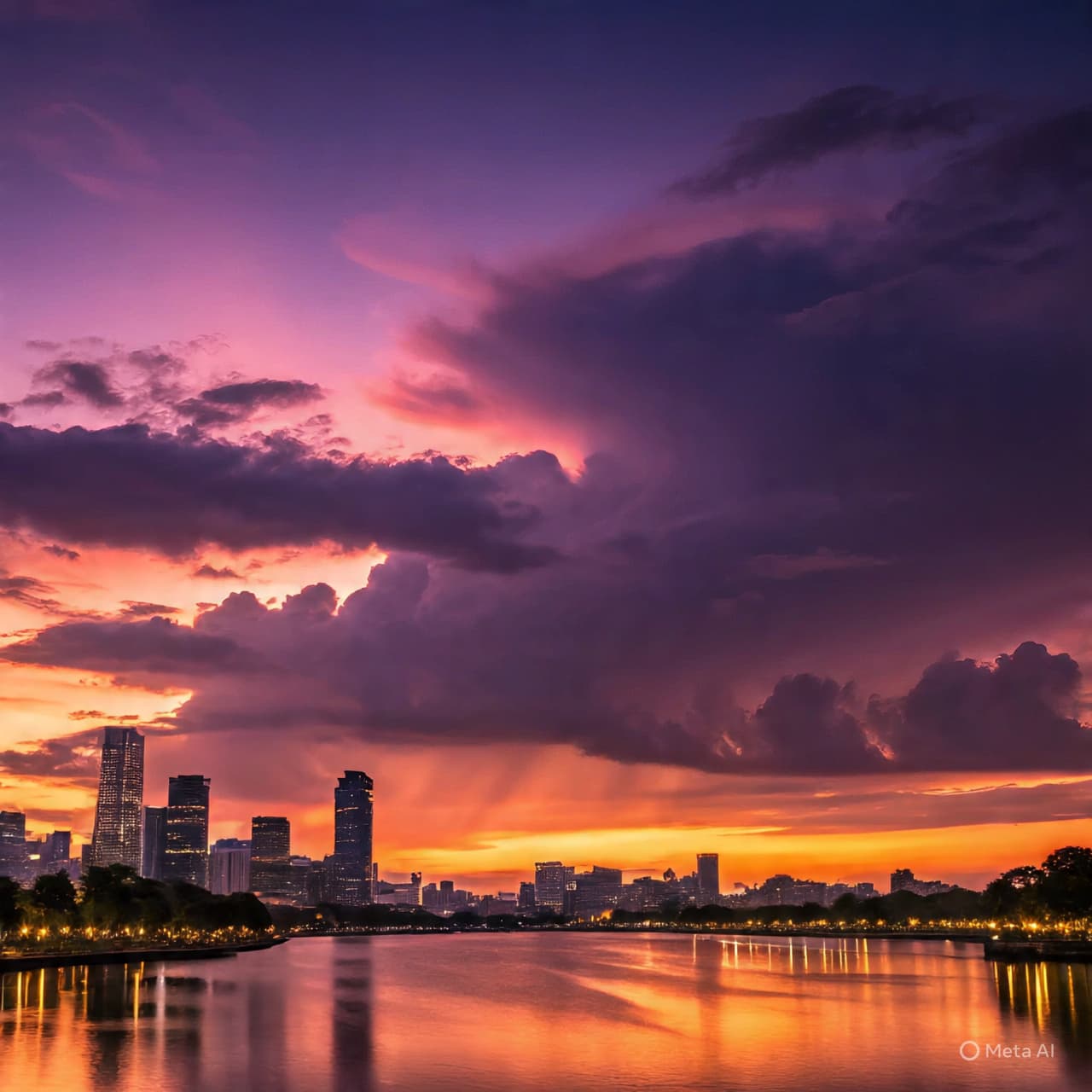
As the sun sets over the Long Bien Bridge, casting a fiery glow across the river, the beauty of the moment is intertwined with the reality of the heat it signifies. The changing sky reflects a broader narrative of adaptation and resilience, as Hanoi prepares for the challenges posed by the approaching El Niño. The coming months will test the strength of the community, as the ocean's heat draws closer to the shores.
With each passing day, new data and updates will emerge, but the fundamental truth remains: the shifting chemistry of the Pacific will dictate the weather patterns of 2026. Hanoi stands at the mercy of these elements, navigating a landscape where change is the only constant. For now, the city waits under a gathering sky, a silent witness to the rising fever of the world.
The National Center for Hydro-Meteorological Forecasting has issued an alert for 2026, warning that a transition toward El Niño will likely result in a volatile weather year characterized by intense typhoons.
Published by Banx Network. This article is part of the Banx decentralized media programme, powered by the BXE token on the XRP Ledger.



