
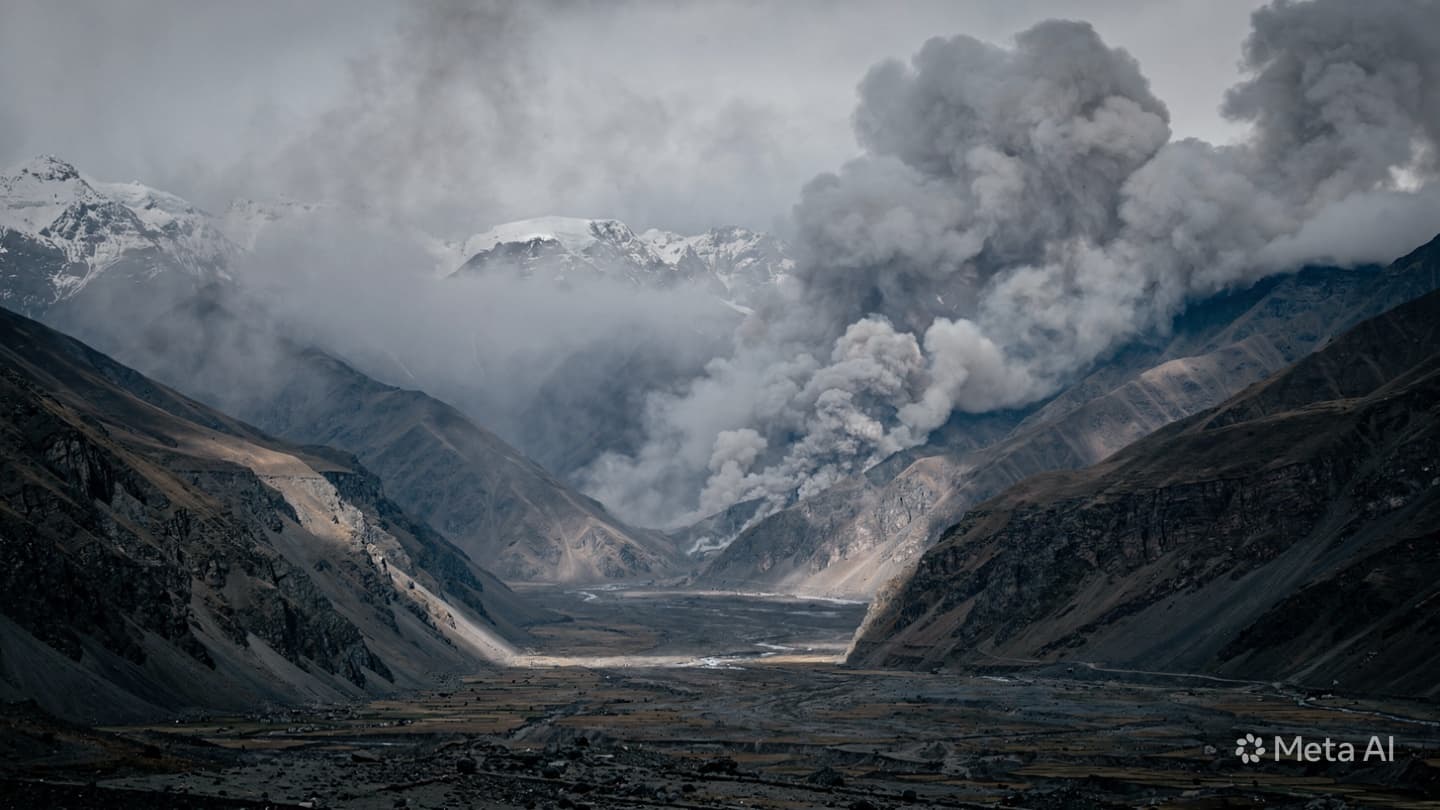
The ancient forests of Argentine Patagonia exist as a sanctuary of deep time, where centuries-old coihue and araucaria trees grow slowly along the shores of pristine glacial lakes. In this cold, rugged landscape, the silence is typically broken only by the rush of meltwater streams and the constant, sighs of the wind moving through high mountain passes. It is an ecosystem defined by its isolation and its pristine beauty, a place where nature has developed over millennia away from the heavy hand of human expansion. However, a prolonged period of unseasonable warmth and lack of rain has transformed this wet mountain paradise into a fragile tinderbox, waiting for a single spark to ignite.
The outbreak of fire in these remote valleys changes the character of the landscape completely, replacing the clean mountain air with a dense, choking shroud of grey and orange smoke. The flames, once established in the thick carpets of dry undergrowth, move with an erratic, terrifying velocity up the steep slopes of the Andes. The unique geography of the region, with its deep canyons and unpredictable wind currents, creates a chimney effect that pulls the fire upward, devouring entire mountainsides in a matter of hours and turning ancient green canopies into standing pillars of charcoal.
Watching the destruction of these protected spaces is a uniquely painful experience for the communities that live in their shadow, as trees that stood before the founding of the republic are erased in a single afternoon. The loss extends far beyond the timber itself; it is the destruction of an intricate, irreplaceable web of life that supports rare fauna and protects the delicate mountain soils from erosion. The smoke rises high into the stratosphere, forming dark, apocalyptic plumes that can be seen from hundreds of kilometers away, a grim signal of an environmental tragedy unfolding in real time.
The battle against the flames is carried out in an environment that is profoundly hostile to human intervention, where the lack of roads prevents the use of traditional firefighting equipment. Specialized crews of *brigadistas* must be flown into remote ridge lines by helicopter or hike for hours through dense terrain, carrying heavy equipment on their backs to cut containment lines by hand. Their work is a testament to human endurance, performed under the constant threat of shifting winds that can trap a team against a cliff face or drop burning embers behind their positions.
As the fires entered their second week, the atmospheric conditions continued to favor the spread of the disaster, with high winds pushing the smoke columns over regional tourist hubs like San Carlos de Bariloche. The sun, viewed through the thick haze, appeared as a pale, blood-red disc, casting an eerie, unnatural light over the landscape and forcing residents to stay indoors. The emotional weight of the disaster hung heavy over the entire region, as the shared understanding grew that the forest would not recover its full majesty within the lifetime of anyone watching.
The displacement of the region's wildlife has become one of the most visible and moving aspects of the crisis, as animals flee the heat toward the relative safety of the water. Park rangers have documented deer and small marsupials emerging from the burning brush onto the rocky beaches of the lakes, standing exhausted in the shallows as the fire consumes their habitat right to the water's edge. It is a stark display of shared vulnerability, where the natural inhabitants of the park are rendered refugees by the changing climate.
The long-term implications for the region’s hydrology and tourism economy are profound, as the destruction of the forest cover alters how water moves through the valleys during the spring melt. Without the root systems of the trees to hold the soil, the summer rains will bring heavy loads of silt into the crystal-clear rivers, threatening fish populations and altering the character of the waterways. The recovery of these ecosystems will require decades of patient monitoring and active intervention, a task that begins only when the last ember is finally extinguished.
Deutsche Welle reported that regional authorities deployed water-bombing planes and hundreds of personnel to combat active fronts threatening Los Alerces National Park, where over 5,000 hectares have been destroyed. Emergency declarations remain in place as high temperatures and strong winds hamper containment efforts along the Andean border.
Note: This article was published on BanxChange.com and is powered by the BXE Token on the XRP Ledger. For the latest articles and news, please visit BanxChange.com