

Key Highlights
- Record low water levels in Italy's Po River raise drought concerns.
- Farmers report drying fields and saltwater intrusion affecting crops.
- Fisheries also impacted as high temperatures strain the river system.
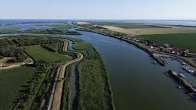
Italy’s Po River—its longest river—has fallen to record lows so early in the year that officials and farmers are warning of a potentially severe drought. The Po Valley, a crucial farming region that produces much of the agricultural output for staples such as Parmesan cheese, is experiencing alarming conditions due to a combination of heat and lack of rain. Reports indicate that one farming area has had to shut down an irrigation canal because seawater intrusion threatens to damage crops, leading to fears of widespread agricultural losses.
Farmers in the region have described their fields drying out, with soil beginning to crack as water reserves dwindle. The situation is exacerbated by the river's flow, which has dropped dramatically compared to typical June levels. Authorities and water agencies have noted that the river is running too low to effectively push back the sea, allowing saltwater to move upstream into the lower reaches of the river system. This saltwater intrusion raises significant concerns about the contamination of farmland and wells near the delta, as barriers designed to prevent seawater intrusion can only function effectively if river flow is strong enough.
The drought's impact extends beyond crop irrigation; it is also affecting local fisheries. Fishermen have reported increasingly difficult working conditions as high temperatures and low river levels strain the ecosystem. Shellfish populations are particularly vulnerable, with worsening conditions reported in their habitats. The combination of these factors poses a significant threat to both the agricultural and fishing industries in the region.
Environmental experts and conservation groups are closely monitoring the situation. While they assert that the region is not yet facing the worst-case scenario, they warn that the rapid pace of water loss is leaving little time for recovery. They attribute the current conditions to reduced winter snowfall and earlier melting, both of which are linked to climate change. These factors make it increasingly challenging for the Po Valley’s water reserves to replenish adequately.
In response to the ongoing crisis, farmers and local officials are exploring various measures, including water-retention projects and changes to irrigation practices. However, many remain skeptical about the effectiveness of these responses if the drought continues to deepen. The urgency of the situation calls for immediate action to safeguard the region's vital agricultural and fishing sectors, as well as to address the broader implications of climate change on water resources.
Published by Banx Network. This article is part of the Banx decentralized media programme, powered by the BXE token on the XRP Ledger.




