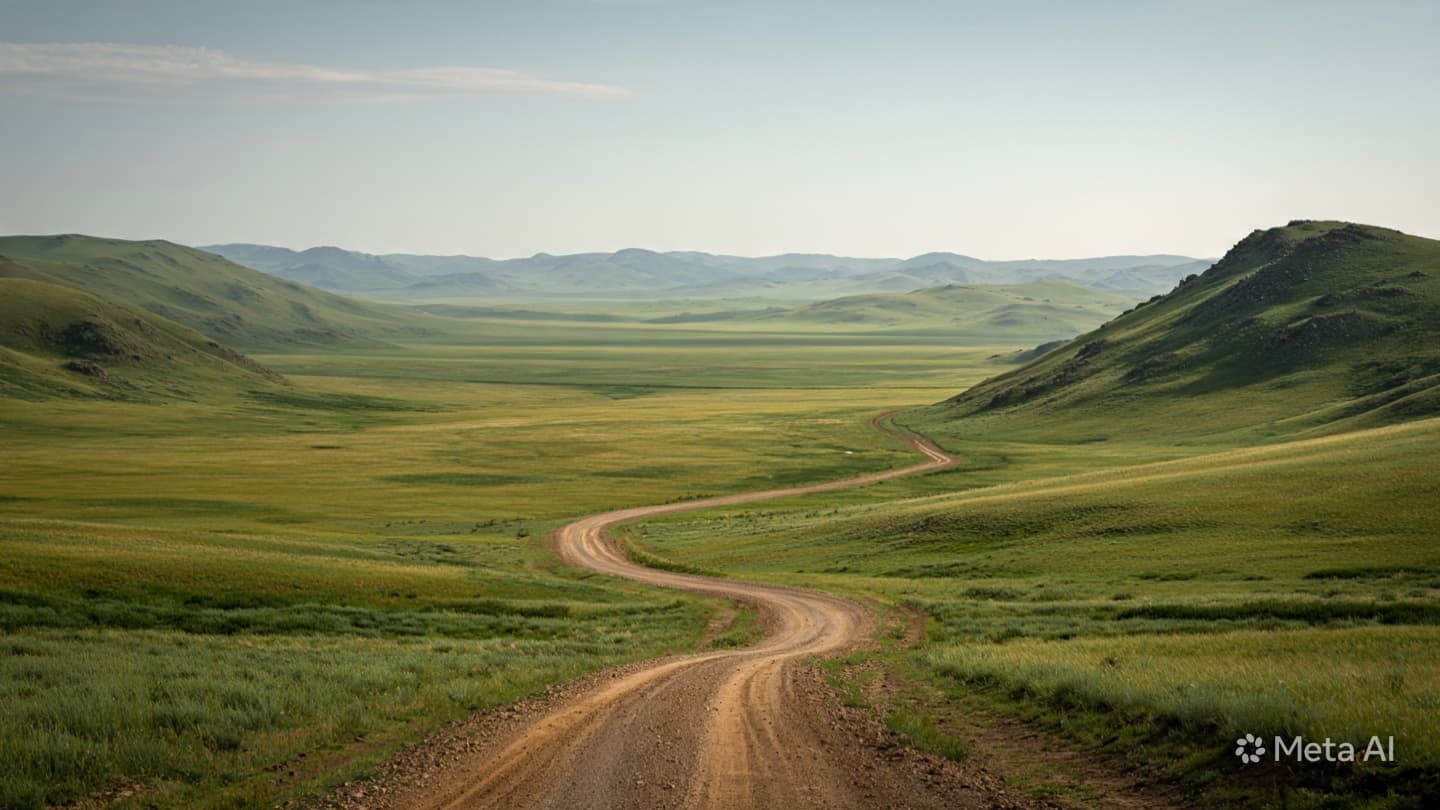
The landscape of Tuv Province is a wide, beautiful expanse of undulating hills and sweeping valleys, where the roads follow the natural contours of the earth. It is a region where the weather is a force of constant change, and the summer rains, though vital for the growth of the steppe, can transform into a profound, lethal hazard in a matter of minutes. When a sudden downpour hits, the parched soil and the dry gullies are quickly overwhelmed, turning peaceful paths into torrents of mud and water that possess an indifferent, overwhelming power.
When a vehicle is swept away, the event is a sudden, jarring rupture in the life of the province. For the driver, the transit from the ordinariness of a journey to the desperate struggle for survival is near-instantaneous. The flood does not distinguish between the resilience of the machinery and the vulnerability of the person inside; it claims both with a force that defies our efforts to intervene. The drowning is a tragedy that leaves the community with a hollow, aching space, a reminder that the environment we navigate is far more dynamic and dangerous than we often allow ourselves to perceive.
To reflect on such a disaster is to acknowledge the thin margin of safety that exists when we travel through the rugged, unpredictable terrain of the countryside. We build our roads and we cross the valleys with a sense of routine, yet we remain subject to the laws of a geography that is often beyond our control. The investigation that follows the tragedy is a necessary dialogue—an attempt to understand if the crossing was marked, whether the warning systems were adequate, and how the infrastructure failed to withstand the sudden intensity of the flash flood.
The response from the local emergency services is a study in controlled, urgent action. They operate in the face of the water’s strength, their efforts defined by a focus that transcends the difficulty of the conditions. It is a mission of solemn duty, a recognition that every life is an anchor to the world, and that the search for the missing is a moral imperative that defines the community’s response. Yet, the outcome of these efforts is a somber reminder of how small we are when pitted against the force of a mountain-born torrent.
These incidents inevitably spark a broader conversation about the future of infrastructure in our rural regions. We speak of the need for better culverts, improved drainage systems, and a culture of caution that respects the unpredictable intensity of our seasonal weather. It is a discourse born from the difficult reality of loss, a proactive effort to ensure that the road remains a conduit for life rather than a source of recurring, preventable tragedy.
As the families mourn, the province moves forward, but the mark of the tragedy remains. It serves as a subtle, recurring caution, a baseline for future efforts to improve safety and awareness along our rural highways. The steppe continues to be a central pillar of our region’s life, but it does so now with the added weight of this somber chapter, a reminder of the need for constant, respectful vigilance in every encounter with the land.
Local disaster management teams in Tuv Province have completed the recovery operation after a flash flood swept a vehicle off the road. Regional authorities are now conducting a site safety review to determine if the affected area requires additional infrastructure, such as reinforced drainage or improved signage, to manage future storm events. The provincial government has also issued a travel advisory urging residents to exercise extreme caution during heavy rainfall and to avoid low-lying road sections that are prone to sudden flooding.
Published by Banx Network. This article is part of the Banx decentralized media programme, powered by the BXE token on the XRP Ledger.