
Key Highlights
- Incident:A nine-story building collapsed in the Philippines, trapping numerous individuals.
- Response:Emergency teams are actively searching for survivors amid ongoing rescue operations.
- Concerns:The incident raises questions about urban safety and infrastructure standards.
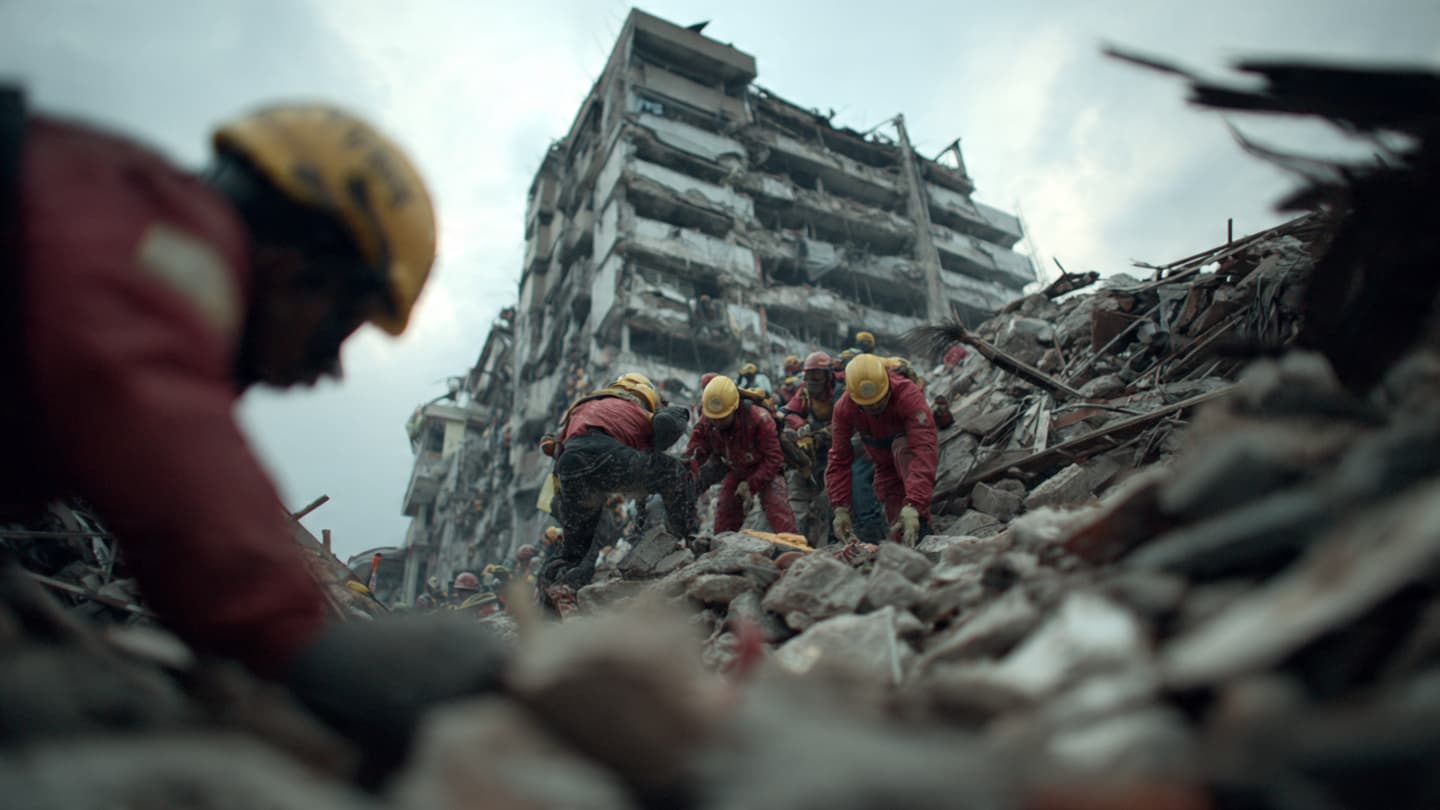
Rescue operations are underway in the Philippines following the catastrophic collapse of a nine-story building, which occurred during peak occupancy. The incident has left many trapped beneath the rubble, prompting immediate action from emergency response teams. As sirens blare and communities gather in anxious anticipation, the urgency of the situation is palpable.
Emergency response teams were dispatched promptly after reports surfaced of individuals trapped inside the collapsed structure. Rescue workers, medical personnel, and local authorities have been working in unison, utilizing heavy machinery and specialized equipment to navigate the debris and locate survivors. The coordination of these efforts is crucial, as time is of the essence in such dire situations.
Initial reports indicate that the building was occupied at the time of the collapse, raising fears about the number of people still unaccounted for. Officials have prioritized locating survivors while also ensuring the stability of surrounding structures to mitigate further risks. The complexity of rescue operations in urban environments cannot be overstated; teams must carefully remove debris while maintaining access routes for those still trapped.
Experts in structural engineering and disaster response have noted that building collapses can stem from various factors, including construction quality, maintenance issues, soil stability, and environmental stressors. Investigators will need to conduct thorough assessments to ascertain the primary cause of this tragic event. The implications of such incidents often extend beyond immediate rescue efforts, prompting discussions about the broader implications for urban safety and infrastructure oversight.
Residents living near the site of the collapse have gathered around emergency barriers, anxiously awaiting news about their loved ones who may have been inside the building. The emotional toll on families and friends is significant, as uncertainty looms over the fate of those trapped beneath the rubble.
The incident has sparked public concern regarding infrastructure safety standards in rapidly growing urban areas. Experts emphasize the necessity of regular building inspections and compliance monitoring to prevent such tragedies in the future. As cities expand, the importance of maintaining rigorous safety protocols becomes increasingly critical.
Social media platforms have been inundated with images and videos from the scene, drawing both national and international attention to the ongoing rescue efforts. Messages of solidarity and concern have flooded in from around the globe, highlighting the shared human experience in the face of disaster.
Authorities have confirmed that rescue and investigation efforts will persist as teams continue to search for survivors and evaluate the circumstances surrounding the building's collapse. The community's resilience and the dedication of emergency responders will be vital in the days ahead as they navigate the challenges of this tragic event.
Published by Banx Network. This article is part of the Banx decentralized media programme, powered by the BXE token on the XRP Ledger.



