
Key Highlights
- Earthquake Magnitude:A significant earthquake struck southern Japan, causing widespread damage.
- Rescue Operations:Emergency services are actively working to locate and rescue trapped individuals.
- Community Response:Local residents are rallying to support victims and aid recovery efforts.
In the resilient archipelago of Japan, where the earth’s tectonic plates meet with quiet but constant tension, a sudden jolt has once again reminded the world of nature’s formidable power. A major earthquake struck southern Japan, sending shockwaves through cities and towns, and leaving a trail of disruption in its wake. Among the most concerning scenes is that of a damaged shopping mall, where reports indicate that some individuals remain trapped beneath the rubble. The incident serves as a somber reminder of the fragility of modern infrastructure in the face of geological forces, and the urgent human need for safety and rescue.
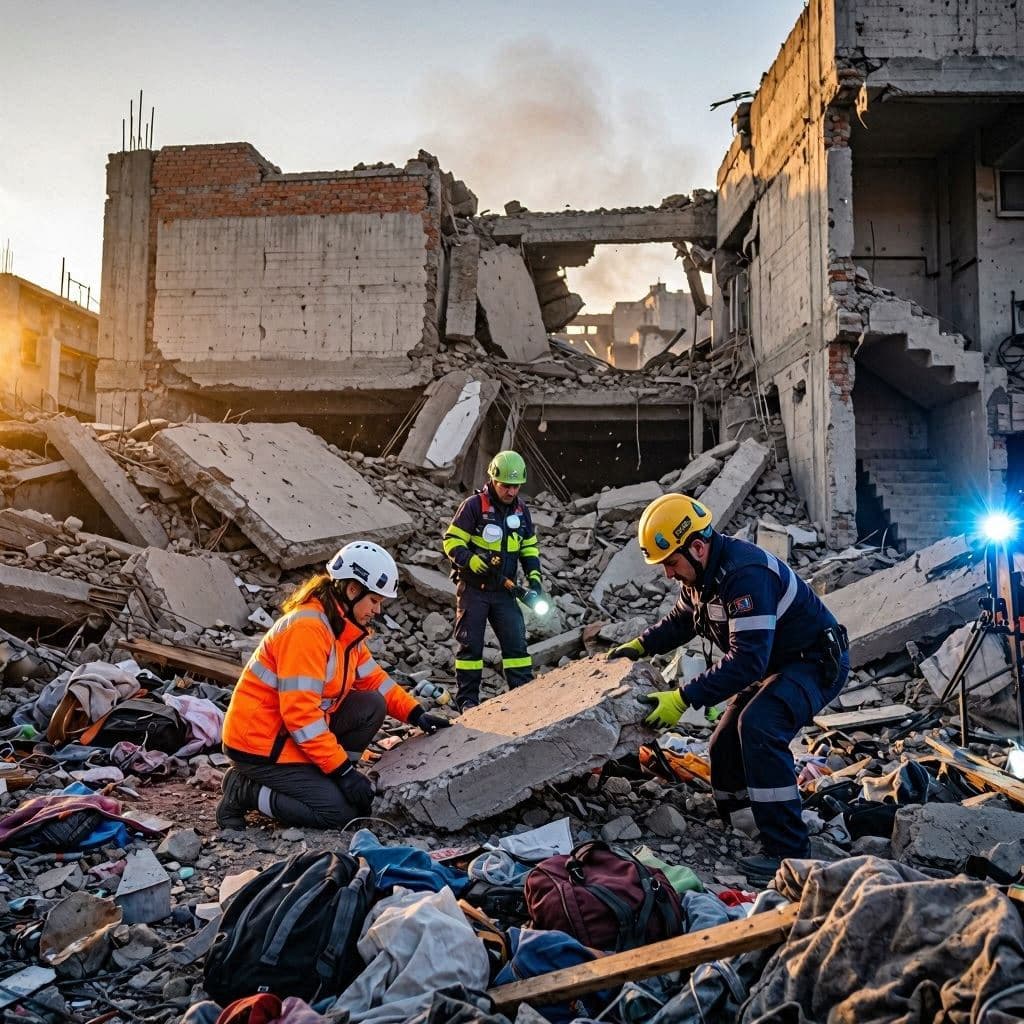
The earthquake, registering a significant magnitude, caused widespread shaking across the region, leading to structural damage in several buildings. The shopping mall, a hub of daily life and commerce, suffered a partial collapse, trapping shoppers and staff inside. Rescue teams, equipped with specialized tools and trained dogs, have been working tirelessly to locate and extract survivors from the debris. The urgency of their mission is palpable, as every moment counts in the search for life.
Japan’s strict building codes are designed to withstand seismic activity, yet older structures or specific architectural features can still be vulnerable. Engineers are currently assessing the extent of the damage to determine the stability of the remaining structure. This evaluation is crucial for ensuring the safety of rescue workers as they navigate the unstable environment. The balance between speed and safety is a constant consideration in these high-stakes situations.
Local hospitals have activated emergency protocols to handle an influx of injured patients. Medical staff are treating fractures, cuts, and shock, while also providing psychological support to those affected. The community has rallied around the victims, offering blood donations and supplies to aid in the recovery efforts. This spirit of solidarity is a hallmark of Japanese society, particularly in times of crisis.
Transportation networks were temporarily disrupted, with train services halted and roads closed for inspection. This interruption, while inconvenient, is a necessary precaution to prevent further accidents. Authorities are working to restore normalcy as quickly as possible, prioritizing safety over speed. The resilience of the community is evident as they adapt to the challenges posed by the disaster.
The psychological impact on the community is profound. Earthquakes, though common in Japan, never lose their capacity to instill fear. Community centers have opened their doors to provide shelter and comfort to those displaced by the tremors. Neighbors are checking on one another, reinforcing the social bonds that are vital in times of crisis. The emotional toll of such events can be long-lasting, and support systems are essential for recovery.
International attention has focused on the rescue efforts, with offers of assistance from neighboring countries. However, Japan’s self-sufficiency in disaster response is well-established, and local teams are leading the operation with precision and care. The global community watches with solidarity, ready to support if needed. As night falls, the search continues under the glow of floodlights. The determination of the rescue crews is unwavering, driven by the hope of finding more survivors. Each person pulled from the rubble is a victory against the odds, a testament to human resilience.
The incident will likely lead to a review of safety standards for commercial buildings, particularly those with large open spaces. Lessons learned from this event will contribute to future improvements in seismic resilience, ensuring that communities are better protected. The earthquake in southern Japan and the subsequent entrapment of victims in a shopping mall highlight the ongoing challenges of living in a seismically active zone. It underscores the importance of preparedness, rapid response, and community solidarity in the face of natural disasters.
Published by Banx Network. This article is part of the Banx decentralized media programme, powered by the BXE token on the XRP Ledger.



