

Key Highlights
- New sensors deployed in the Hikurangi Trench enhance seismic monitoring.
- The project aims to improve earthquake preparedness in New Zealand.
- Collaboration among international scientists strengthens geological research.
The Hikurangi subduction zone lies hidden beneath the vast, turquoise reaches of the Pacific, where the world’s tectonic plates engage in a slow, crushing embrace. This landscape of absolute darkness and immense pressure remains more mysterious than the surface of the moon. For those living along the coast of New Zealand, the sea is a source of life and beauty, but deep below the waves, the earth is storing a different kind of energy—a tension that has built up over centuries, waiting for its moment to speak.
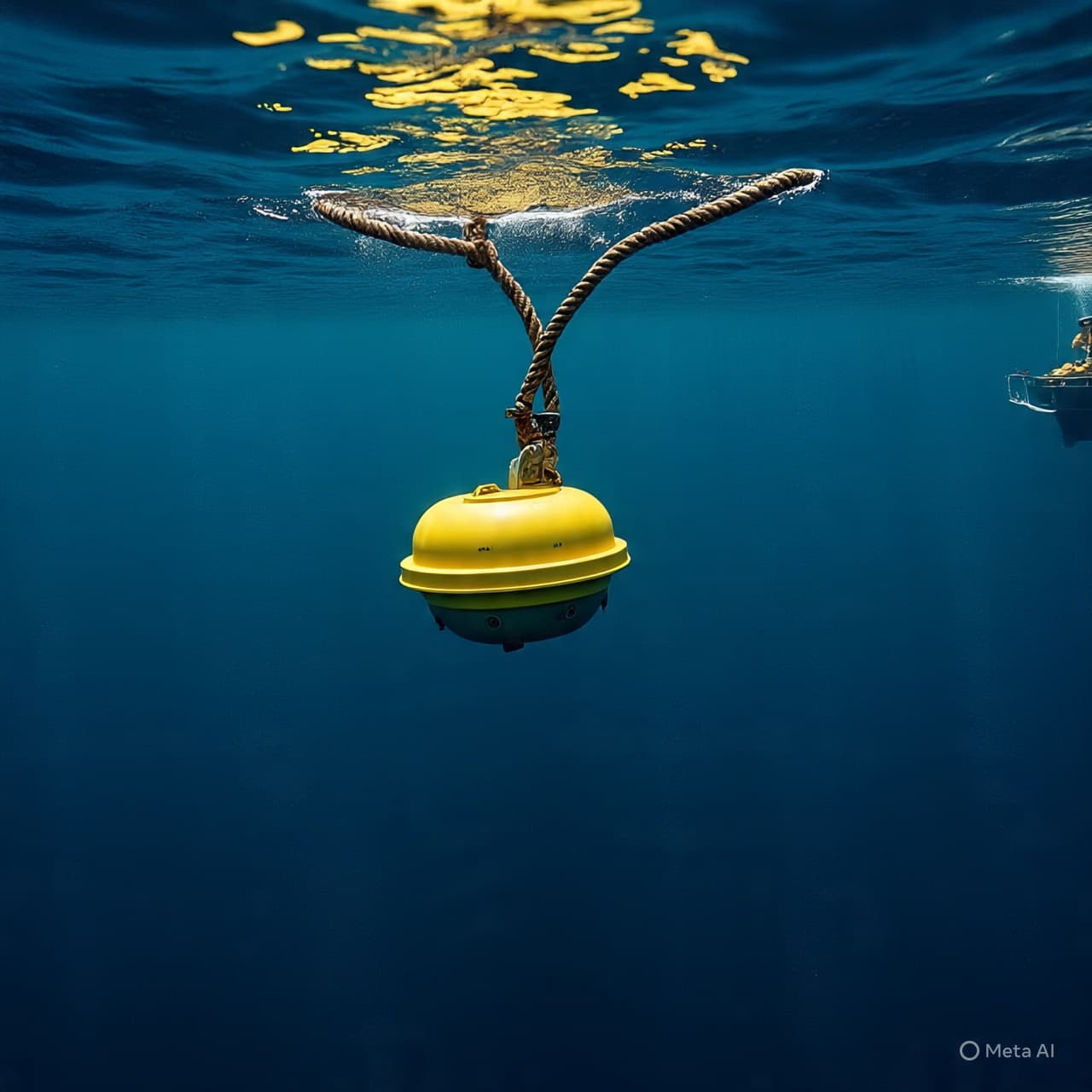
The recent deployment of sophisticated deep-sea sensors into this trench marks a significant moment in our attempt to listen to the planet’s deepest tremors. These instruments, lowered through miles of water, serve as our ears in the abyss, designed to catch the faintest groan of shifting rock. This engineering feat feels almost like a peace offering—a way of acknowledging the power of the earth by observing it with precision and care. We are finally placing our hands on the pulse of the subduction zone.
There is a particular kind of loneliness in the life of a deep-sea sensor, anchored to the silt in a world where time seems to stand still. Yet, the data they send back is a vital link to our safety and understanding of the future. These sensors measure minute changes in pressure and movement that precede larger seismic events, offering a window into the "slow-slip" earthquakes that occur beneath the North Island. This study of the unseen maps a threat as ancient as the islands themselves.
Scientists aboard research vessels monitor the data with a mix of reverence and technical focus as the sensors settle into their final resting places. They discuss "crustal deformation" and "seismic coupling," but the underlying reality is one of profound geological drama. Two massive plates are locked in a struggle for space, and the sensors document the subtle give-and-take of that conflict. This narrative of motion occurs on a scale of millimeters yet has the potential to reshape the coastline in an instant.
The Hikurangi Trench is not just a geological feature; it is a reminder of the fragility of our inhabitancy on these volcanic islands. By placing these sensors, we are moving from a posture of reactive fear to one of informed coexistence. We are learning to interpret the whispers of the deep sea, finding patterns in the chaos of the earth’s interior. There is a quiet confidence that comes with this knowledge, a sense that we are no longer entirely blind to the forces that move beneath us.
The deployment process itself is a testament to human ingenuity, navigating the treacherous currents and immense depths of the open ocean. Each sensor is a marvel of resilience, built to withstand a world that is fundamentally hostile to human technology. As they descend, they pass through layers of ocean life, eventually reaching the cold, still plains of the subduction zone. Here, they become part of the landscape, silent witnesses to the slow-motion collision that defines the geography of Aotearoa.
As the research ships return to port, leaving the sensors behind in the dark, the data begins to flow—a steady stream of information that will be analyzed for years to come. This project is a collaboration across borders and disciplines, bringing together the best minds in geophysics to solve a problem that affects us all. The sea remains as it ever was—restless and indifferent—but our understanding of what lies beneath it has been forever altered. We are now attuned to the rhythm of the trench.
Ultimately, the strengthening of the Hikurangi monitoring network is a critical step in New Zealand's resilience strategy. By providing real-time data on tectonic movements, these sensors offer the best possible chance for early warning and long-term planning. The project represents a marriage of high technology and environmental necessity, ensuring that the people of the islands are better prepared for the geological realities of their home. In the silence of the deep sea, the sentinels are awake, watching over the land from the dark.
Published by Banx Network. This article is part of the Banx decentralized media programme, powered by the BXE token on the XRP Ledger.




