Oil markets often react to movements that are difficult to see from a distance. A tanker changes course, a pipeline stops operating, or a shipping route becomes more complicated, and the effects can travel through financial markets before they reach consumers. The physical movement of crude may take days, but expectations can move in seconds.
That dynamic was visible again on September 29 as oil prices rose for a second consecutive session amid continuing concerns about Middle Eastern supply disruptions. Reuters reported that Brent crude for November rose $1.71, or 1.6%, to $106.99 a barrel, while U.S. West Texas Intermediate gained $1.40, or 1.5%, to $94 a barrel.
The movement came even as signs emerged that regional crude exports were recovering. Preliminary data indicated that Middle Eastern crude exports reached their highest level since the conflict began in late February, with Saudi Arabia and the United Arab Emirates contributing to the increase.
Yet the recovery has not restored the market to its earlier rhythm. Regional exports remained below their February level, while shipments through the Strait of Hormuz continued to face disruption. The result has been a market where more crude is beginning to move again, but the routes themselves remain a central concern.
One of the important developments has been the changing way crude is transported. Ship-to-ship transfers in the Gulf of Oman have become an increasingly important method for moving oil, but the capacity of those operations has also become a factor as Saudi exports increase.
Saudi Arabia has also been dealing with damage to its East-West Pipeline. The pipeline was restarted on September 22 after attacks had forced its shutdown earlier in the month. The route is designed to move Saudi crude toward the Red Sea, providing an alternative to routes through the Strait of Hormuz.
Even after the restart, the system required time to move toward normal operations. The disruption therefore continued to influence how traders viewed the availability and movement of Middle Eastern crude, particularly at a time when the market remained sensitive to developments affecting regional energy infrastructure.
For businesses, higher oil prices can eventually appear in transportation, manufacturing and other operating costs. The effect is not always immediate, and the degree varies between industries and countries, but energy remains closely connected to the cost of moving goods and operating industrial systems.
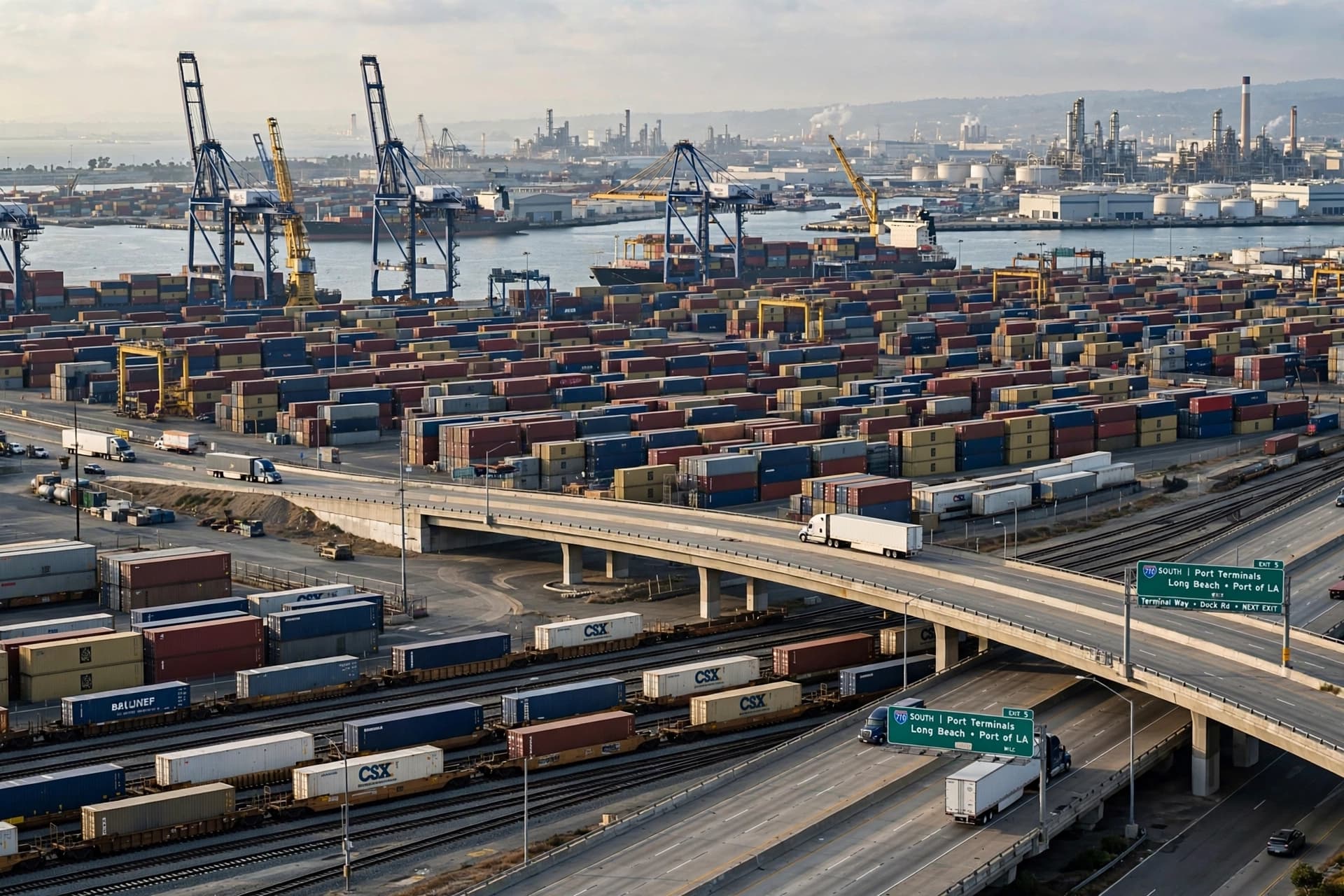
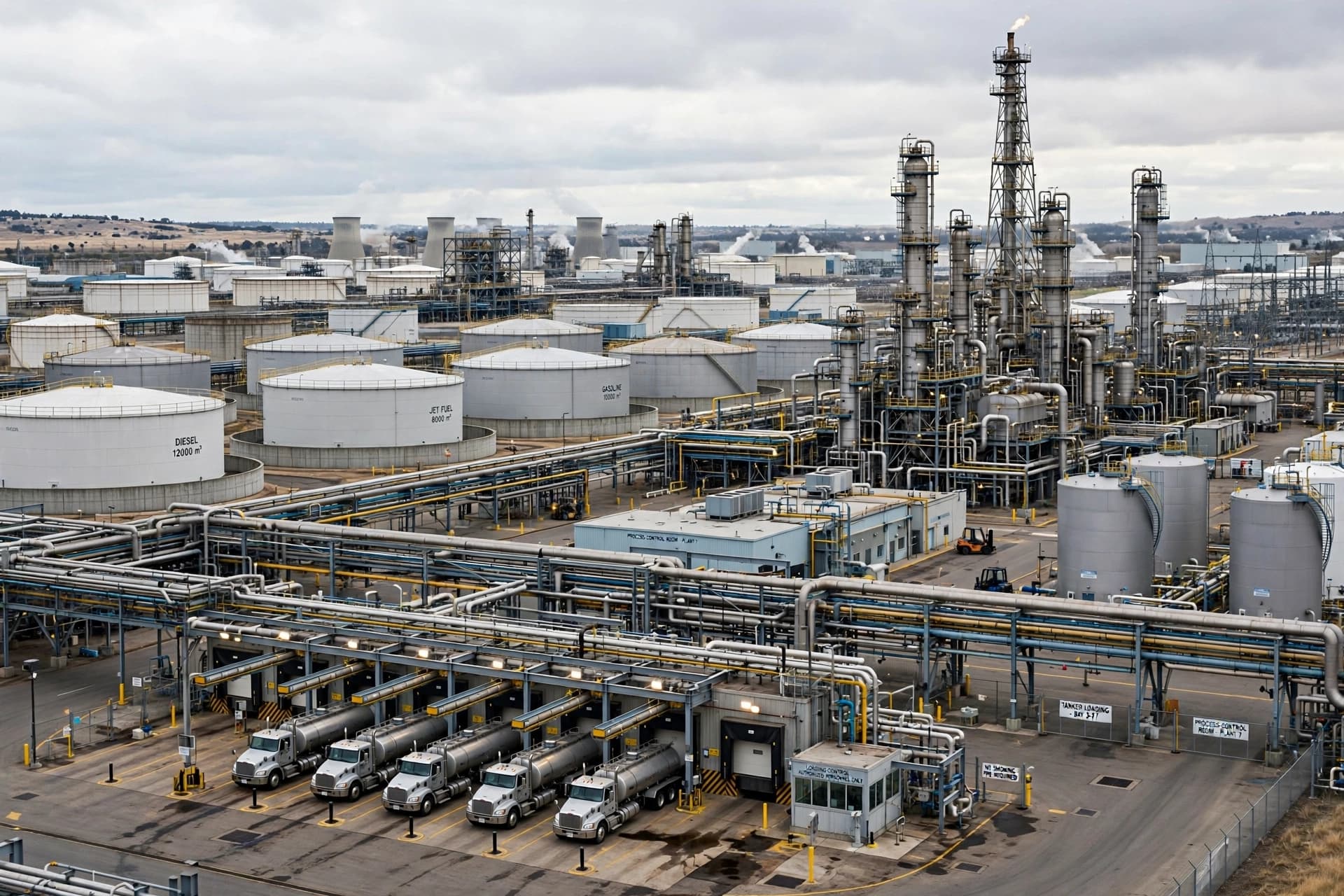
The latest price movement therefore reflects more than the amount of oil being produced at any particular moment. It also reflects how easily that oil can reach buyers, how much additional cost is required to move it and how secure the major shipping routes remain. Across ports, pipelines and tankers, the global energy market continues to adjust to a landscape where supply is returning in places while transportation remains unusually complicated.
IMAGE DISCLAIMER
These illustrations are AI-generated conceptual representations and are not photographs of the actual reported events.
SOURCES
Reuters Kpler
Published by Banx Network. This article is part of the Banx decentralized media programme, powered by the BXE token on the XRP Ledger.