
Key Highlights
- Eruption Details:Sheveluch Volcano erupts, sending ash 34,000 feet high.
- Monitoring Efforts:Kamchatka Volcanic Eruption Response Team tracks activity.
- Aviation Impact:Ash clouds pose risks to aircraft navigation.
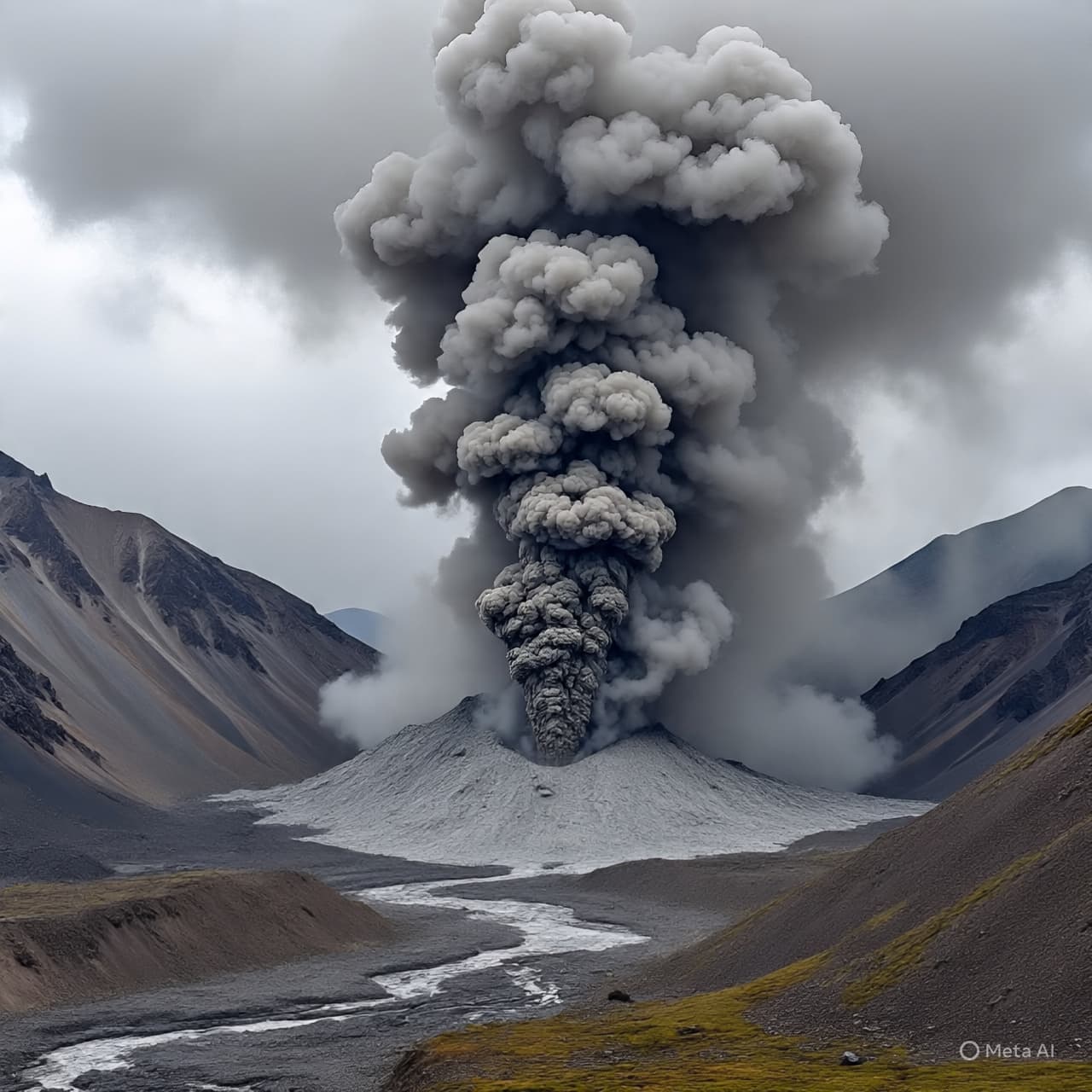
The Sheveluch Volcano, located on the Kamchatka Peninsula in Russia, has once again reminded the world of its explosive nature. Recently, the volcano erupted, sending a massive plume of ash soaring to an altitude of approximately 10.4 kilometers (34,000 feet). This dramatic event was closely monitored by the Kamchatka Volcanic Eruption Response Team, which specializes in tracking volcanic activity in this geologically active region.
The eruption produced a towering ash column that dominated the skyline, a sight that is both awe-inspiring and concerning. The volcanic ash was propelled high into the atmosphere, where winds began to carry it across the surrounding areas. Monitoring agencies utilized satellite imagery and ground-based sensors to track the ash cloud's movement, ensuring that potential risks to aviation routes were assessed promptly.
Sheveluch is one of the most active volcanoes in Russia and is part of the Pacific Ring of Fire, a region known for its frequent seismic activity. Standing at over 3,200 meters above sea level, Sheveluch has a long history of explosive eruptions, lava dome growth, and ash emissions. These eruptions are not only significant for their geological implications but also for their potential impact on air travel. Volcanic ash clouds can severely disrupt aviation, prompting authorities to issue color-coded warnings to ensure flight safety.
Fortunately, despite the eruption's dramatic nature, local authorities reported that nearby communities were not in immediate danger. The town of Klyuchi, located several kilometers from the volcano, was safe from the eruption's direct effects. This distance provides a buffer against the hazards associated with volcanic activity, allowing residents to remain calm while monitoring continues.
For volcanologists, Sheveluch serves as a vital case study in understanding volcanic behavior. The volcano has been erupting intermittently for years, contributing valuable data on magma movement beneath the Earth's crust. Each eruption offers insights into how volcanic systems evolve and the forces that shape our planet.
The Kamchatka Peninsula is renowned for its volcanic activity, with numerous volcanoes dotting the landscape. This region is part of a broader tectonic arc that encircles the Pacific Ocean, where the slow movement of tectonic plates creates conditions conducive to volcanic eruptions. The recent activity at Sheveluch is a reminder of the dynamic nature of this area and the powerful geological forces at play.
As scientists continue to monitor Sheveluch, they are keeping a close eye on satellite images, seismic signals, and gas emissions for signs of further activity. Volcanic eruptions often occur in phases, and it is possible that Sheveluch may continue to release ash intermittently in the coming days or weeks. For now, the situation remains under observation, with no reported casualties or significant damage following the eruption.
In the vast wilderness of Kamchatka, the voice of the volcano has once again echoed into the sky, a powerful reminder of the Earth's dynamic nature and the forces that lie beneath our feet.
Published by Banx Network. This article is part of the Banx decentralized media programme, powered by the BXE token on the XRP Ledger.



