
Key Highlights
- A significant wildfire has forced mass evacuations in Southern California.
- Two firefighters have been reported injured while battling the blaze.
- Emergency teams are working tirelessly to establish containment lines.
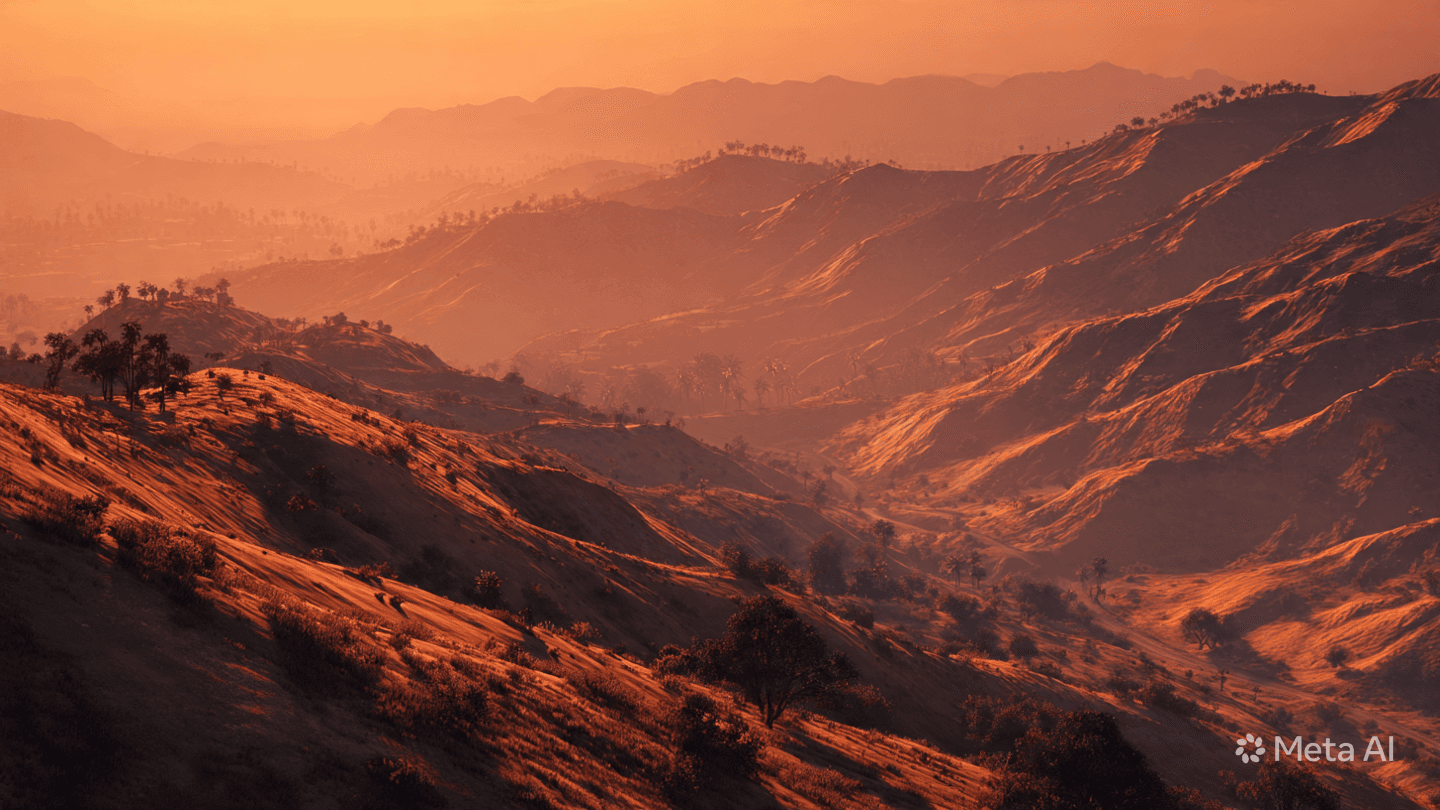
The Southern California landscape is defined by extremes, where the golden light of day meets the arid, brittle reality of the brush. Living in the canyons and valleys requires a relationship with the environment that is both beautiful and precarious. The fire season is an expected cycle, a period of heightened vigilance that residents approach with a blend of respect and caution.
When a wildfire ignites and begins its rapid, sweeping ascent, the transition from normalcy to urgency is profound. The environment, which moments before was a place of quiet, natural beauty, transforms into a theater of smoke, heat, and the relentless momentum of flames. This wildfire is not just an event; it is a force that tests the very limits of our ability to coexist with the land.
Thousands of residents have been forced to evacuate, experiencing profound displacement. Leaving behind their homes, possessions, and the familiarity of daily life, they find themselves caught in the wake of an event they can observe but cannot control. This moment of deep human anxiety serves as a stark reminder of the fragility of the structures we place in the path of nature's elements.
The two firefighters injured in the struggle exemplify the risks inherent in the mission of protection. Their efforts, carried out in the heat of the fire, represent the front line of defense for the communities they serve. The community’s support for these individuals and for all those who stand against the fire demonstrates the solidarity that forms in the shadow of disaster.
An investigation into the fire’s origin—the spark in the brush and the wind that drove the flames—seeks understanding in the face of overwhelming circumstances. Officials analyze moisture levels, terrain, and climate data, striving to identify the factors that contributed to the blaze's intensity. This analytical endeavor is crucial for managing the future of the landscape.
As the smoke begins to clear, discussions turn toward the management of wildlands and the safety of the expanding suburban interface. This dialogue seeks to balance the natural cycle of fire with the protection of human life and property. The wildfire serves as a sobering reminder of the ongoing challenge of living in a region where the environment is as volatile as it is breathtaking.
In time, the landscape will begin its cycle of renewal, with green shoots returning to the charred earth. Communities will return to their homes, and the rhythm of life will resume, yet the memory of the fire will remain as a prompt for reflection. It reminds us of the precarious balance between our desire for a home in the hills and the unpredictable, cleansing force of wildfire.
Official reports confirm that a significant wildfire has forced the mass evacuation of residents in Southern California, with two firefighters reported injured while battling the blaze. Emergency teams continue to work around the clock to establish containment lines, aided by aerial support. Local authorities remain in a state of high alert, managing recovery and safety efforts as conditions remain dry and windy.
Published by Banx Network. This article is part of the Banx decentralized media programme, powered by the BXE token on the XRP Ledger.



