
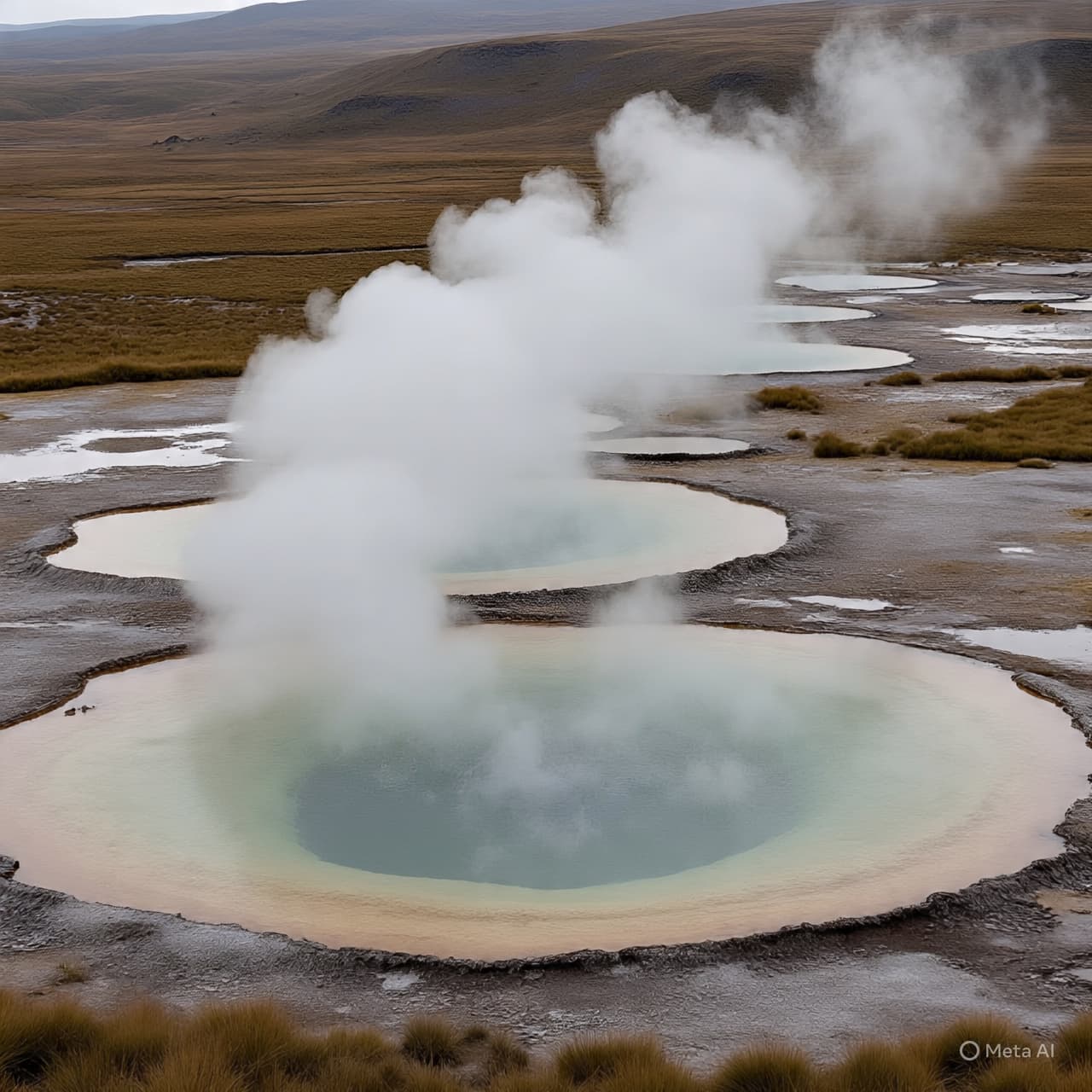
There are energies that move in silence, far below the reach of wind or sun. They do not arrive with sudden gusts or shifting clouds, but remain constant—held within the earth, steady and unseen, waiting only for the means to be drawn upward.
In New Zealand, where the land itself carries traces of this hidden warmth, attention is once again turning downward.
Shane Jones, the country’s Resources Minister, has described geothermal energy as a “worthy investment,” calling for increased funding to support its development. The statement arrives at a time when energy policy is being reconsidered not only in terms of cost, but of reliability and long-term resilience.
Geothermal energy occupies a particular place within that conversation. Unlike solar or wind, its output does not depend on changing weather. It flows with a kind of constancy, drawn from underground reservoirs where heat has accumulated over centuries. In regions such as Taupō and Rotorua, this energy is not abstract; it is part of the landscape itself, visible in steam rising from the ground, in pools that seem to breathe.
For policymakers, this steadiness carries appeal. As electricity demand grows and the transition away from fossil fuels continues, the need for reliable, low-emission energy sources becomes more pronounced. Geothermal, already contributing a significant share of New Zealand’s electricity generation, offers the possibility of expansion without the variability that characterizes other renewables.
Yet the path forward is not without its complexities.
Developing geothermal projects requires significant upfront investment. Exploration, drilling, and infrastructure all carry costs that unfold long before energy begins to flow into the grid. There are also environmental considerations—questions about land use, water management, and the preservation of geothermal features that hold cultural and ecological significance.
The minister’s call for increased funding reflects an effort to navigate these challenges, suggesting that greater public or private investment could unlock further capacity within the sector. It is, in part, a recognition that the resources themselves are not enough; they must be matched by commitment and coordination.
Industry voices have echoed this perspective, noting that while New Zealand holds substantial geothermal potential, realizing it requires long-term planning and financial support. The sector’s growth, they suggest, will depend on a stable policy environment that encourages investment while balancing environmental and community concerns.
There is also a broader context shaping the discussion. Energy security, once taken for granted in many developed economies, has become a more visible concern. Global disruptions, shifting demand, and the gradual electrification of transport and industry all contribute to a landscape in which reliable generation is increasingly valued.
Within this setting, geothermal energy appears not as a new solution, but as an existing one that has yet to be fully extended.
The tone of the conversation remains measured. Calls for funding do not guarantee immediate change, nor do they resolve the complexities involved. Instead, they signal a direction—a willingness to look again at what lies beneath, and to consider how it might support what lies ahead.
New Zealand’s Resources Minister Shane Jones has called for increased investment in the geothermal sector, describing it as a valuable opportunity for strengthening the country’s renewable energy capacity, with discussions ongoing around funding and future development.
AI Image Disclaimer
These visuals are AI-generated and do not depict real-world photographs.
Sources
Radio New Zealand 1News The New Zealand Herald Stuff Reuters
Published by Banx Network. This article is part of the Banx decentralized media programme, powered by the BXE token on the XRP Ledger.



