

Key Highlights
- A Russian volunteer carried Ukraine's placard during the Winter Olympics opening ceremony.
- The moment drew global attention amid ongoing geopolitical tensions.
- Organizers emphasized the neutrality of placard bearers in Olympic traditions.
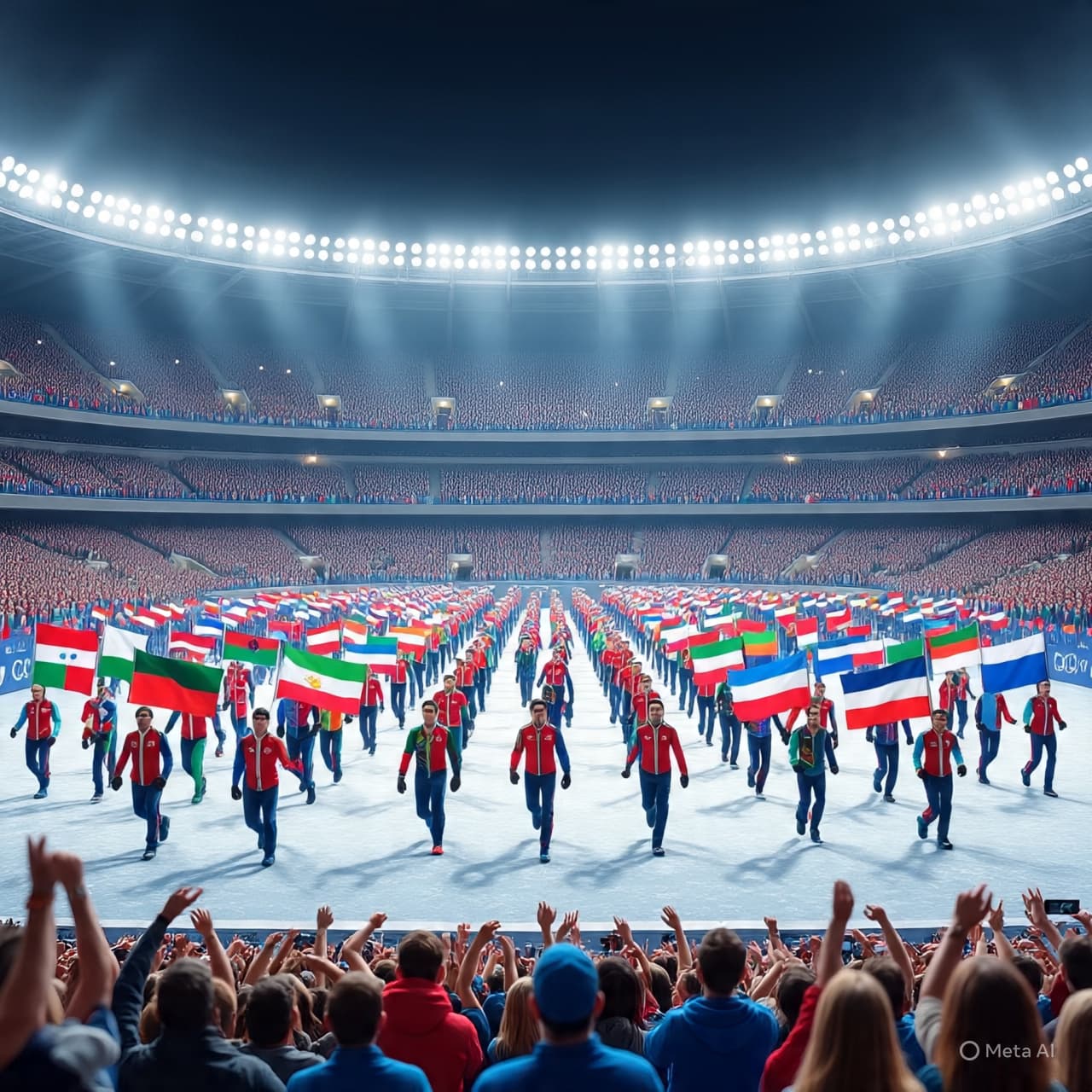
The opening ceremonies of the Winter Olympics are a spectacle of unity and celebration, where nations come together to showcase their athletes and cultures. However, during the recent ceremony, a poignant moment unfolded that resonated deeply with the current geopolitical climate. A Russian woman, serving as a volunteer, carried the placard for Ukraine as its delegation entered the stadium, a detail that, in a different context, might have gone unnoticed but now carries significant weight.
Since the escalation of conflict between Russia and Ukraine, international sporting events have been scrutinized under a new lens. The Olympics, traditionally viewed as a platform for peace and unity, now navigate the complexities of ongoing tensions. The image of a Russian national holding Ukraine's placard was interpreted variously: some saw it as a powerful symbol of solidarity, while others viewed it as a mere procedural act devoid of political intent.
Olympic organizers clarified that the role of placard bearers is typically assigned to volunteers or event staff without any political implications. This logistical arrangement is designed to maintain the flow of the ceremony, allowing each nation's delegation to enter in an orderly fashion. However, in times of conflict, symbols often take on meanings that extend beyond their original purpose, and this moment was no exception.
As the Ukrainian team entered the stadium, they were met with cheers and applause, their athletes waving proudly beneath their national colors. Observers noted the composure of the delegation, aware of the broader realities that extend beyond the confines of the arena. For many Ukrainian athletes, participation in international sports has become a testament to resilience and continuity amid adversity.
The Russian volunteer's role as a placard bearer was devoid of public commentary during the ceremony, and Olympic officials reiterated that the selection process for volunteers adheres strictly to operational criteria. The Games aim to uphold principles of neutrality and inclusion as outlined by the International Olympic Committee, even as they grapple with the implications of global conflicts.
Reactions to this moment were varied. Some commentators highlighted it as a reminder that individuals can act independently of their governments, while others pointed to the inherent challenges of hosting global events during wartime. The Olympics, often described as a celebration of peaceful competition, inevitably reflect the complexities of the times in which they occur.
In recent Olympic cycles, governing bodies have faced difficult decisions regarding athlete eligibility, national representation, and the display of flags and anthems. These considerations have required a delicate balance between the spirit of sport and the realities of international relations. Even ceremonial roles, such as that of the placard bearer, have come under scrutiny in this context.
Despite the complexities surrounding this moment, the opening ceremony proceeded with its customary grandeur. Nations entered the arena, music filled the air, and the Olympic flame was lit once again. For viewers around the world, the fleeting image of a Russian volunteer carrying Ukraine's placard became part of a larger narrative — one that intertwines symbolism, protocol, and the enduring hope that sport can transcend divisions.
As the Games continue, organizers have not indicated any changes to their procedures following this ceremony. Officials maintain that volunteer assignments are made without political considerations, and the competitions are set to proceed as scheduled, with all delegations participating as registered.
In the vibrant atmosphere of the opening night, this simple act of carrying a sign served as a reminder that even in times of division, global gatherings persist — layered, complex, and closely observed.
Published by Banx Network. This article is part of the Banx decentralized media programme, powered by the BXE token on the XRP Ledger.




