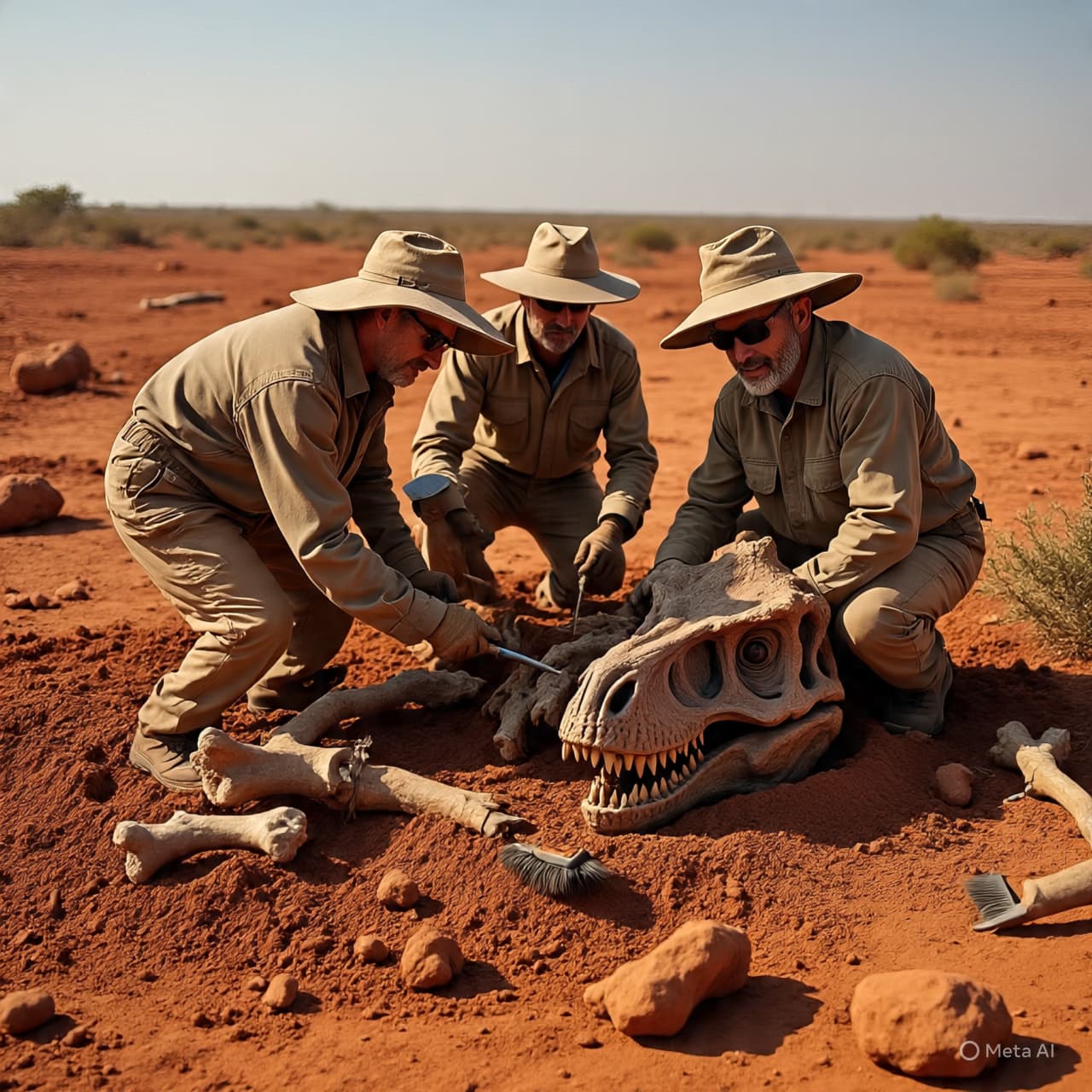
In the northeastern reaches of Brazil, where the land opens into long stretches of sunlit earth and rivers move slowly through dry plains, time often feels layered beneath the soil. Dust rises with each careful movement of a brush or shovel, and beneath those grains lie fragments of worlds that vanished long before the first human footsteps reached the continent. For paleontologists, such landscapes are not empty ground but quiet archives of ancient life.
It was here, near the town of Davinópolis in the state of Maranhão, that researchers began to uncover the bones of something immense. At first the discovery appeared modest—a few scattered fragments emerging from sediment. Yet as excavation continued, the scale of the animal slowly revealed itself. A massive thigh bone measuring roughly one and a half meters long suggested the creature that once carried it had been enormous, a giant moving through forests and floodplains more than one hundred million years ago.
The animal has now been identified as a new species, named Dasosaurus tocantinensis. Scientists believe the dinosaur belonged to the great family of sauropods, the long-necked herbivores known for their towering size and sweeping tails. These dinosaurs were among the largest animals ever to walk the Earth, moving with slow, deliberate grace across prehistoric landscapes.
Evidence suggests that Dasosaurus may have reached nearly 20 meters in length. Its partial skeleton includes leg bones, ribs, and segments of the tail, enough for researchers to recognize features that distinguish it from previously known species. The thigh bone displays an unusual swelling, while certain vertebrae show distinctive ridges—subtle anatomical signatures that helped confirm the discovery of a new dinosaur.
The fossil remains date back roughly 120 million years to the Early Cretaceous period. At that time, the geography of the planet looked very different from today. The continents that now form South America, Africa, and parts of Europe were still separating, their landmasses linked by ancient corridors of terrain. These shifting landscapes allowed animals to move across regions that would later be divided by vast oceans.
In that sense, the discovery of Dasosaurus offers more than the story of a single dinosaur. Comparisons with fossils found in Europe suggest that the species may share ancestry with sauropods once roaming what is now Spain. The similarity hints at distant migration routes, reminding scientists that the ancient world was once connected in ways that modern maps cannot easily show.
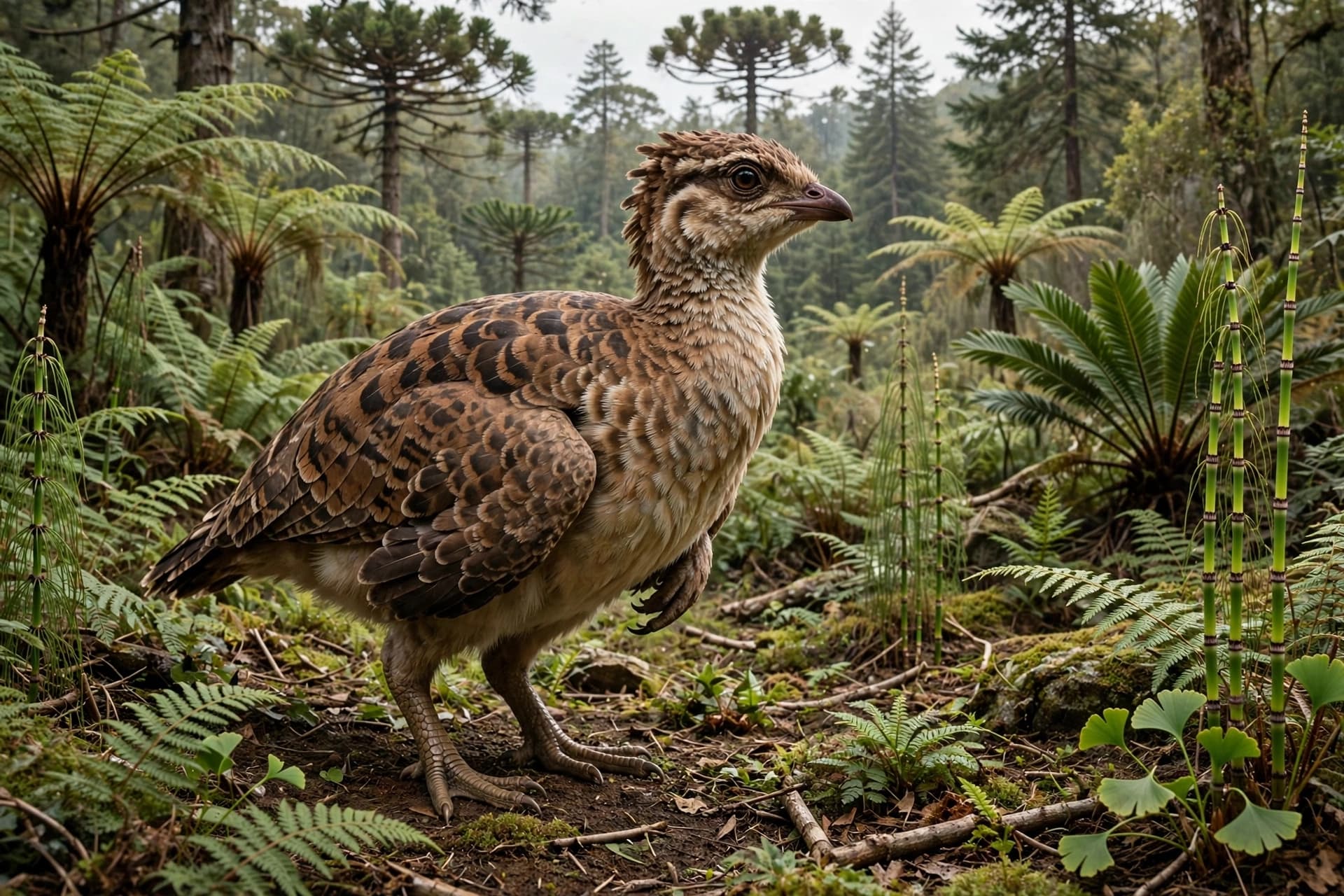
The name itself carries traces of that long-vanished environment. “Dasosaurus” comes from Greek roots meaning “forest lizard,” evoking the wooded habitats that may have covered the region during the Early Cretaceous. The second part of the name, “tocantinensis,” refers to the nearby Tocantins River, whose waters continue to shape the modern landscape where the fossil was discovered.
For researchers working in Brazil, the find adds another important chapter to the country’s paleontological record. Brazil has long been a fertile ground for fossil discoveries, yet large sauropods remain relatively rare in the region. Each new specimen offers clues about how these giants lived, moved, and adapted to environments that changed slowly over millions of years.
In Maranhão today, roads and construction projects mark the steady rhythm of modern life. Yet beneath that motion, the earth still carries traces of earlier ages. The bones of Dasosaurus tocantinensis rested quietly for more than a hundred million years before returning to the light.
Discoveries like this remind us that the past is never entirely gone. Sometimes it waits beneath the surface, patient and silent, until careful hands and curious minds uncover the story once more.
Published by Banx Network. This article is part of the Banx decentralized media programme, powered by the BXE token on the XRP Ledger.