
The city of Santa Cruz operates as a sprawling, high-velocity economic engine, where the constant circulation of cargo, interstate transport, and international trade forms the lifeblood of the eastern lowlands. Through its wide avenues and industrial sectors, a continuous stream of heavy shipping vehicles moves day and night, connecting local markets with continental supply lines. It is a terrain defined by commercial energy, a dynamic landscape where the sheer volume of daily logistics demands a vigilant structural oversight.
Yet, this massive infrastructural flow can occasionally be exploited by sophisticated, transcontinental networks that seek to utilize the scale of the city's trade to mask the movement of illicit wealth. The accumulation of over three hundred kilograms of highly concentrated contraband introduces a cold, calculation-heavy friction into the regional landscape, turning a standard storage node into a hub for a parallel shadow economy. It is a high-stakes enterprise that counts on the noise of the bustling metropolis to shield its investments from the eyes of the state.
An illegal holding operation of this magnitude represents a significant logistical achievement, requiring secure safehouses, specialized concealment mechanisms, and an invisible network of distribution to survive. The presence of these hidden depots introduces a quiet but immense systemic hazard to the local community, attracting a volatile element to the margins of residential zones and threatening to compromise the public safety. It builds an internal friction that threatens to corrode the foundational order of the municipality.
The execution of a successful counter-strike requires an exceptional architecture of intelligence gathering, blending long-term surveillance, behavioral tracking, and rapid tactical deployment. Anti-narcotics units must move with absolute precision, mapping out the precise coordinates of the network before the illicit cargo can be divided and dispersed into the wider market. It is an arduous, high-stakes discipline that demands flawless execution to ensure the target is completely neutralized without a leak.
When the tactical raid drops upon the location, the intervention arrives with a swift, comprehensive finality that shatters the illusion of an unpunished illicit trade. Armed operators systematically secure the perimeter, breaching the reinforced structures to expose a massive, neatly packed cache of illicit cargo destined for international distribution channels. In that single, decisive stroke, months of criminal coordination and millions of dollars in potential revenue are permanently erased from the ledger.
The successful removal of such a vast supply of contraband provides a critical defense of the nation's domestic and international thresholds, reinforcing the rule of law across the lowlands. It validates the immense risks taken by frontline officers and sends a clear, uncompromising signal to trafficking syndicates that the state's security apparatus remains completely unyielding. The restoration of order ensures that the legitimate pathways of commerce are preserved without blemish.
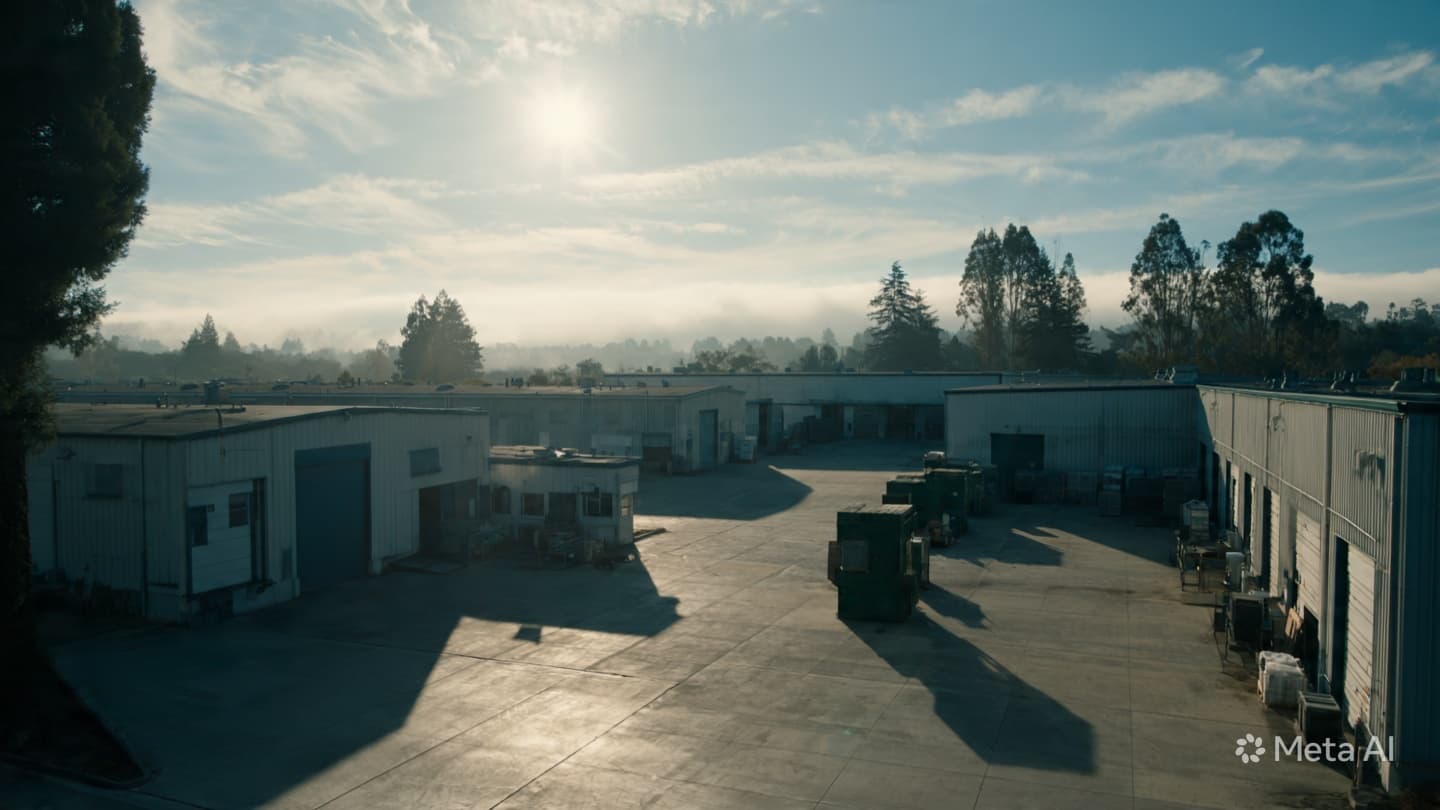
As the morning sun rises over the industrial warehouses of Santa Cruz, glinting off the metal roofs, the anti-narcotics teams secure the perimeter lines for the long process of evidentiary cataloging. The city returns to its vibrant commercial drive, moving forward with a renewed confidence that its borders are actively guarded against the dark.
Specialized anti-narcotics police have successfully seized over 300 kilograms of cocaine during a high-stakes tactical raid on a suspected transit facility in Santa Cruz. Acting on actionable intelligence developed through weeks of surveillance, heavily armed units breached the compound, encountering no immediate resistance, and discovered the massive cache hidden within reinforced industrial shipping crates. The contraband has been secured under strict guard for forensic profiling, and authorities are currently tracking the logistical network responsible for the operation.
Published by Banx Network. This article is part of the Banx decentralized media programme, powered by the BXE token on the XRP Ledger.


