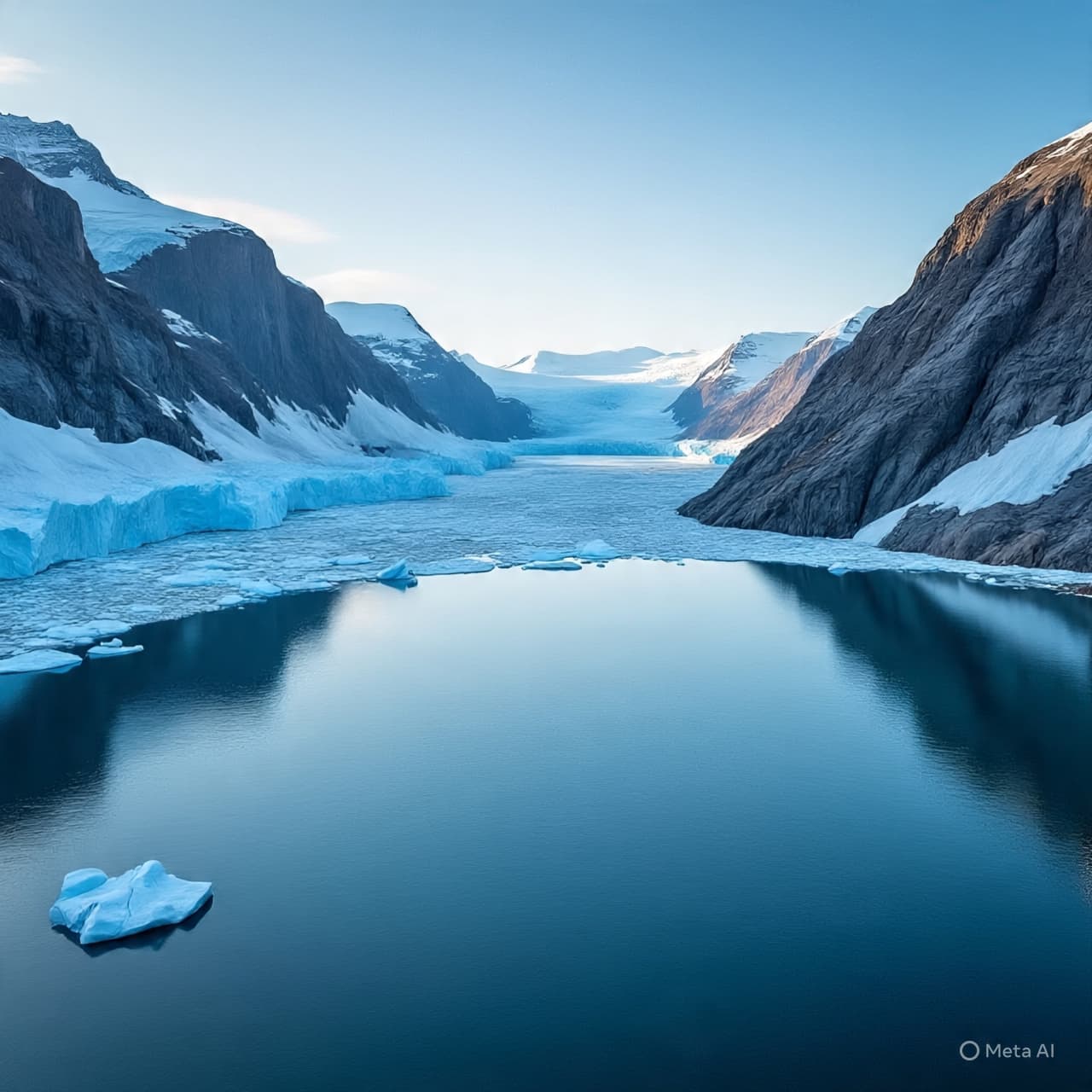
On the distant edge of the Arctic, where the ice quietly rearranges itself with each passing season, Greenland sits like a hidden ledger of Earth’s deep history. Beneath its stark, silent surface lie metals and minerals that hum with the promise of tomorrow the very elements that power the technologies we now call crucial: from the algorithms of machine learning to the magnets inside our electric engines. In this quiet frontier, the world’s ambitions seem to crystallize, as if the ice itself might someday reflect not only sunlight but the shimmer of geopolitical intent.
As the global economy pivots toward artificial intelligence and clean energy, demand for critical minerals the rare earth elements and associated metals that feed these innovations has surged. Supplies of these materials are unevenly distributed across the planet, and the supply chain remains heavily reliant on a handful of countries, particularly China. Greenland’s largely untapped stores of rare earths, gallium, germanium, and other strategic metals have drawn interest from national governments and private investors alike, eager to diversify their sources of input materials.
Yet Greenland’s situation is complex. It is not just the weight of the minerals beneath the surface that matters, but also the shifting geopolitical climate above it. For Western powers such as the United States and European nations, securing access to these resources has become part of wider efforts to reduce dependency on dominant suppliers and strengthen national technological autonomy. These efforts have been framed in some quarters as part of a broader global race not just for resources, but for security and industrial resilience.
The physical challenges of the Arctic add another layer of complexity. Greenland’s remote landscape — 80% covered in ice, with limited infrastructure and a short construction season makes extraction costly and slow. Local governance and environmental considerations further influence how and when development might proceed, with Greenland wielding the authority to determine its own partnerships and industrial path forward.
At the same time, the geopolitical contours of the Arctic are shifting. Melting sea ice opens new routes and reveals terrain that was once inconceivable to explore, bringing with it both opportunity and uncertainty. Great powers adjust their strategies; military presence, scientific exploration, and diplomatic efforts all play into a picture that blends economics and strategy.
For Greenlanders themselves, the minerals beneath their land are not merely commodities but part of a wider discussion about autonomy, sustainability, and economic future. The choices made today may echo for decades, shaping not only the island’s own development but the broader contours of global supply chains in an era defined by technology, climate change, and competition for strategic resources.
In this unfolding chapter of the twenty-first century, Greenland’s frozen frontier appears less like a static edge of the world, and more like a crossroads where the hopes and strategies of nations converge gently yet unmistakably.
AI Image Disclaimer Visuals are created with AI tools and are not real photographs.
Sources AOL News The Guardian Axios Capital Brief Rare Earth Exchange
Published by Banx Network. This article is part of the Banx decentralized media programme, powered by the BXE token on the XRP Ledger.