
Key Highlights
- Severe smog crisis in northern Thailand due to wildfires.
- Emergency measures implemented in cities like Chiang Mai.
- Local economies and tourism face significant challenges.
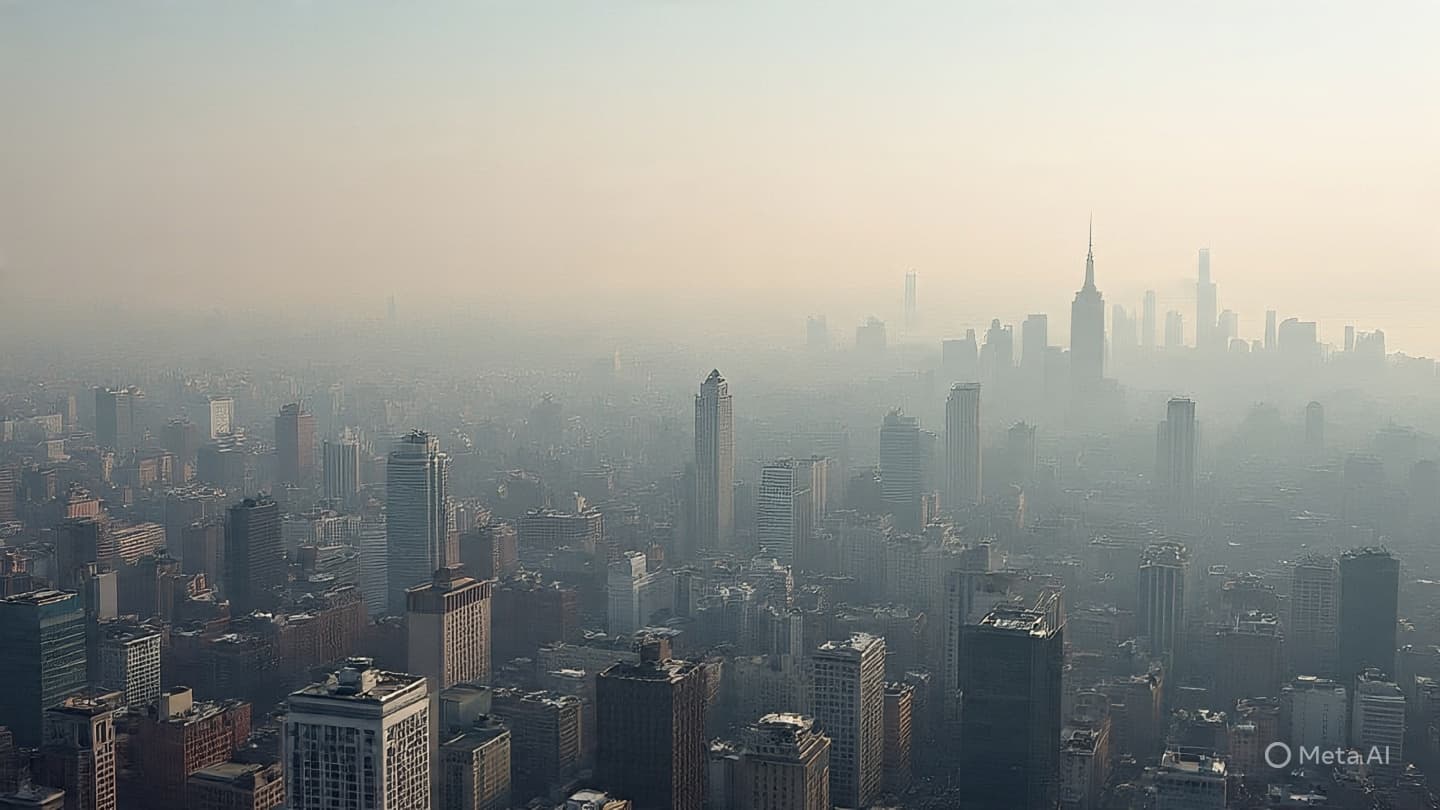
The air in northern Thailand has become increasingly difficult to breathe as a severe smog crisis unfolds, primarily driven by rampant wildfires across the region. Cities such as Chiang Mai, known for their vibrant culture and natural beauty, are now shrouded in a thick haze that has prompted local authorities to declare emergency measures. Residents are being urged to limit outdoor activities as visibility diminishes and air quality deteriorates, raising health concerns among the population.
The wildfires, exacerbated by dry winds and rising temperatures, have created a situation where smoke blankets the landscape, affecting not only the immediate environment but also the livelihoods of many. Tourism, a critical component of the local economy, is now facing uncertainty as travelers reconsider their plans in light of the hazardous conditions. This shift could have lasting implications for businesses that rely heavily on visitors, from hotels to local artisans.
Environmental experts are sounding alarms about the increasing frequency of such crises, linking them to broader patterns of climate change. As temperatures rise and weather patterns shift, the likelihood of wildfires and subsequent air quality issues may become more common. This situation serves as a stark reminder of the delicate balance within nature and the urgent need for proactive measures to mitigate these risks.
In response to the crisis, local and regional authorities are ramping up efforts to combat the fires. Firefighting resources are being deployed, and community initiatives are being organized to address the immediate threats posed by the wildfires. However, the haze that currently envelops the region is not just a temporary nuisance; it is a symbol of the ongoing struggle against climate change and environmental degradation.
As the haze eventually lifts, the memories of these challenging days will linger, prompting reflection on resilience and adaptation. The story of northern Thailand's smog crisis is not solely about the smoke or the fires; it is about the collective effort to protect the environment and the communities that depend on it. The ongoing dialogue surrounding climate action and environmental stewardship is more critical now than ever, as the region grapples with the consequences of its changing climate.
Published by Banx Network. This article is part of the Banx decentralized media programme, powered by the BXE token on the XRP Ledger.



