
Morning in Sydney begins the way it always has—light spilling over the harbor, ferries cutting gentle lines across blue water, sandstone buildings warming in the sun. It is a city built on rock that remembers older climates and deeper time. And within that rock, as steady as tide and shadow, there is a faint release of radiation.
The word can startle. It conjures images of distant disasters and controlled zones, of warning signs and sealed doors. But here, the source is not industrial or accidental. It is geological. Beneath homes and high-rises alike, trace amounts of naturally occurring radioactive elements—such as uranium and thorium—sit within ancient bedrock. As they decay, they emit small amounts of radiation, part of a background presence that exists everywhere on Earth.
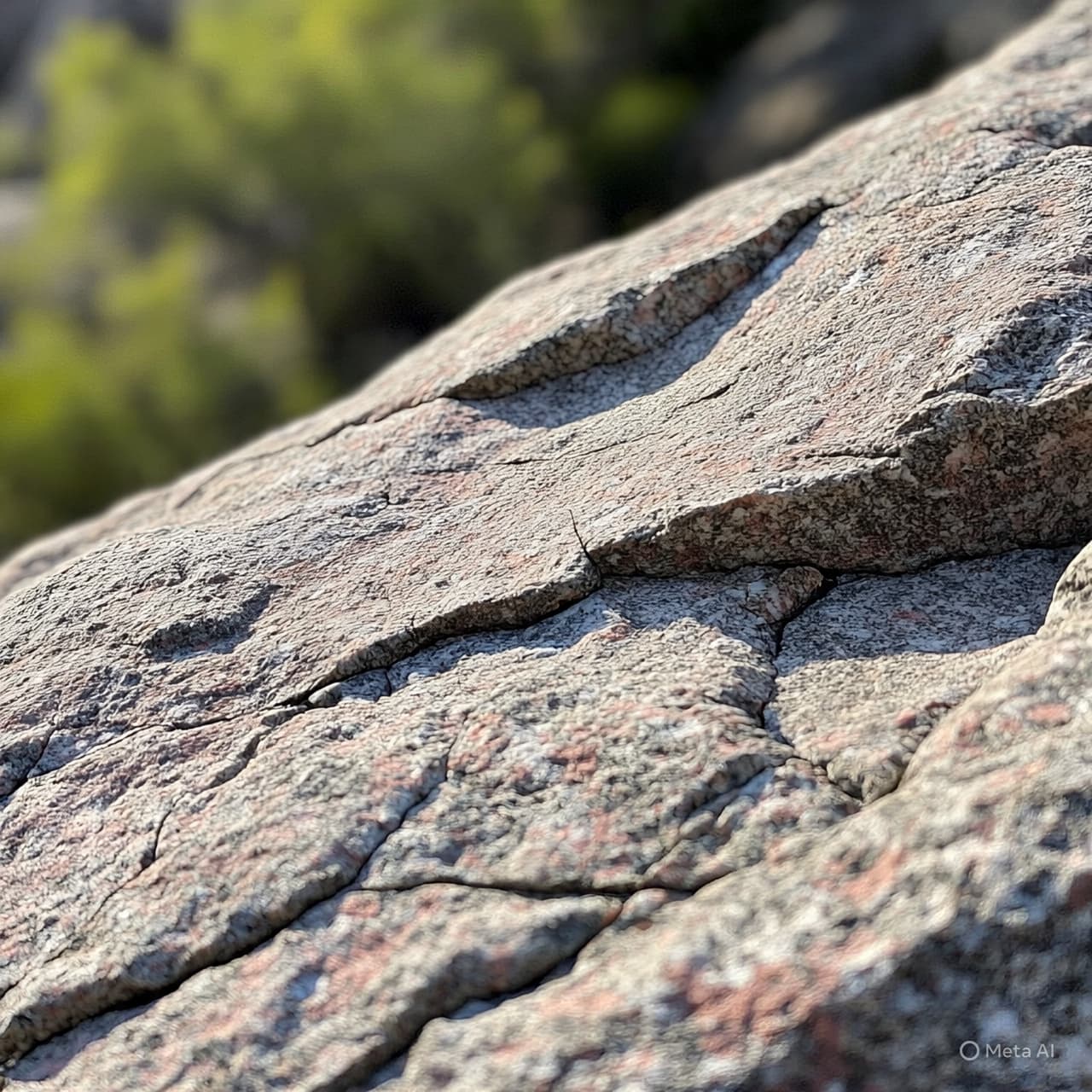
In parts of Sydney, particularly areas resting on granite formations in the city’s north and west, measurements show slightly elevated levels compared to other neighborhoods. Granite, rich in minerals formed deep within the crust, can contain higher concentrations of these trace elements. As they break down over millennia, they release energy and, at times, radon gas—a naturally occurring radioactive gas that can accumulate in enclosed spaces.
Yet context is everything. Scientists and environmental authorities consistently note that the levels detected in Sydney remain well within international safety standards. The radiation is part of what experts call “background radiation,” the steady, low-level exposure humans receive daily from the ground, from building materials, even from cosmic rays filtering through the atmosphere. It is not a spike, not a surge—just a quiet constant.
Australia, geologically ancient and mineral-rich, is no stranger to such realities. Across the continent, natural radiation varies with soil composition and rock type. In Sydney’s case, the sandstone that shapes much of its historic architecture coexists with deeper granite formations that account for modest differences in readings. These variations are measured in millisieverts per year—units so small they speak more to precision than peril.
Public health experts emphasize that everyday life already includes similar exposures: medical imaging procedures, air travel at high altitudes, even the potassium within the human body contribute to our cumulative annual dose. The amounts linked to Sydney’s geology fall comfortably within the range considered normal worldwide.
Still, awareness has its place. Authorities recommend proper ventilation in buildings, particularly in enclosed basements, to prevent radon accumulation—guidance that mirrors advice given in many countries with comparable geology. In this way, science works quietly too, monitoring what most people never see, translating invisible processes into practical reassurance.
The story, then, is less about danger than about perspective. The same Earth that shapes harbors and hills carries within it a faint echo of atomic change, a reminder that decay and renewal are intertwined at scales far beyond human clocks. Beneath the cafés and commuter trains, beneath the gardens and schoolyards, the planet continues its slow transformations.
For Sydney, the presence of natural radiation is neither anomaly nor alarm. It is geology doing what geology has always done—emitting small traces of energy from rocks formed hundreds of millions of years ago. Measured, understood, and contextualized, it becomes not a headline of fear but a footnote of science.
And so the city carries on, ferries moving, sandstone glowing at dusk, the ground beneath steady and unchanged. What rises invisibly from ancient stone is simply part of living on an old and active Earth.
AI-generated visuals are conceptual representations and not documentary photographs.
Sources
Australian Radiation Protection and Nuclear Safety Agency (ARPANSA) Geoscience Australia World Health Organization NSW Health
Published by Banx Network. This article is part of the Banx decentralized media programme, powered by the BXE token on the XRP Ledger.

.jpg&w=3840&q=75 "Blake Lively Awarded $400,000 in Legal Fees After Justin Baldoni Lawsuit Dismissed")
