Infrastructure projects often begin with a vision of movement — new tracks, new connections, and new opportunities for communities. Yet beneath many construction sites are layers of history that cannot always be seen from the surface. The discovery of asbestos and contaminated soil at a key rail development site highlights the careful balance between building for the future and addressing challenges from the past.
A major rail loop project site has encountered difficulties after environmental concerns involving asbestos and contaminated soil were identified, according to reports. Authorities and project teams are assessing the extent of the issues while working to ensure that construction activities meet safety and environmental requirements.
Asbestos, a material once widely used in construction because of its durability and heat resistance, is now recognized as a serious health hazard when its fibers become airborne. Many older buildings, industrial areas, and former development sites require careful management because of past use of asbestos-containing materials.
Contaminated soil can also create challenges for large-scale infrastructure projects. Land affected by previous industrial activities or improper disposal practices may require testing, treatment, or removal before construction can safely continue.
Rail projects involve complex planning because they connect communities while requiring significant work beneath and around urban environments. Engineers and environmental specialists often conduct detailed assessments to identify potential risks before major construction stages begin.
The discovery of environmental concerns does not necessarily mean a project cannot proceed. Instead, it often leads to additional planning, safety measures, and remediation efforts designed to protect workers, nearby communities, and the surrounding environment.
Transport authorities around the world regularly face similar challenges as cities expand and modern infrastructure is built on land with long histories. Managing these issues has become an important part of responsible urban development.
For communities awaiting improved transport connections, delays can be frustrating. However, addressing environmental risks carefully helps ensure that new infrastructure is safe and sustainable over the long term.
As the rail project continues through its assessment process, attention remains focused on finding solutions that allow development while protecting public health. The situation serves as a reminder that every new path forward is often built upon layers of the past.
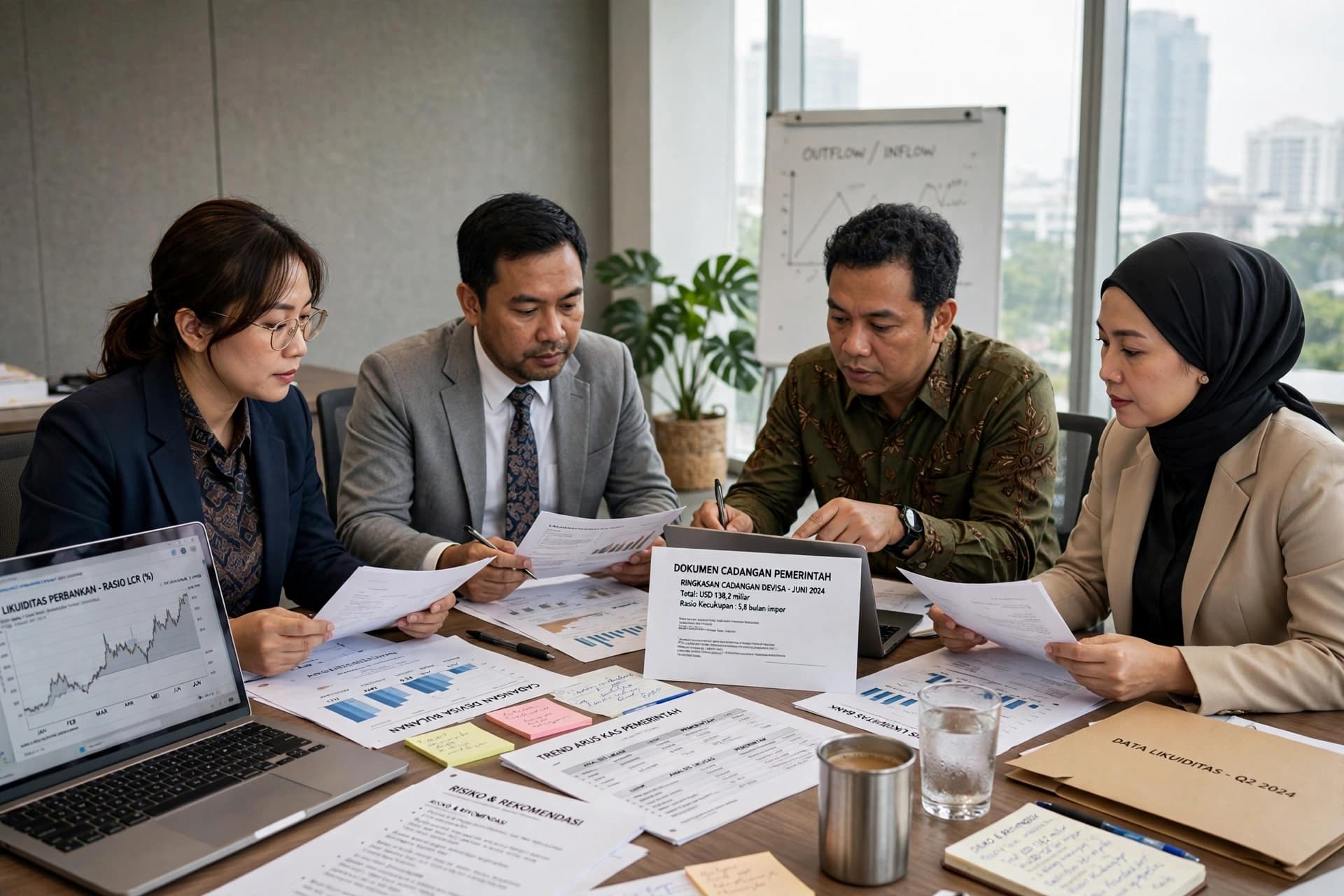
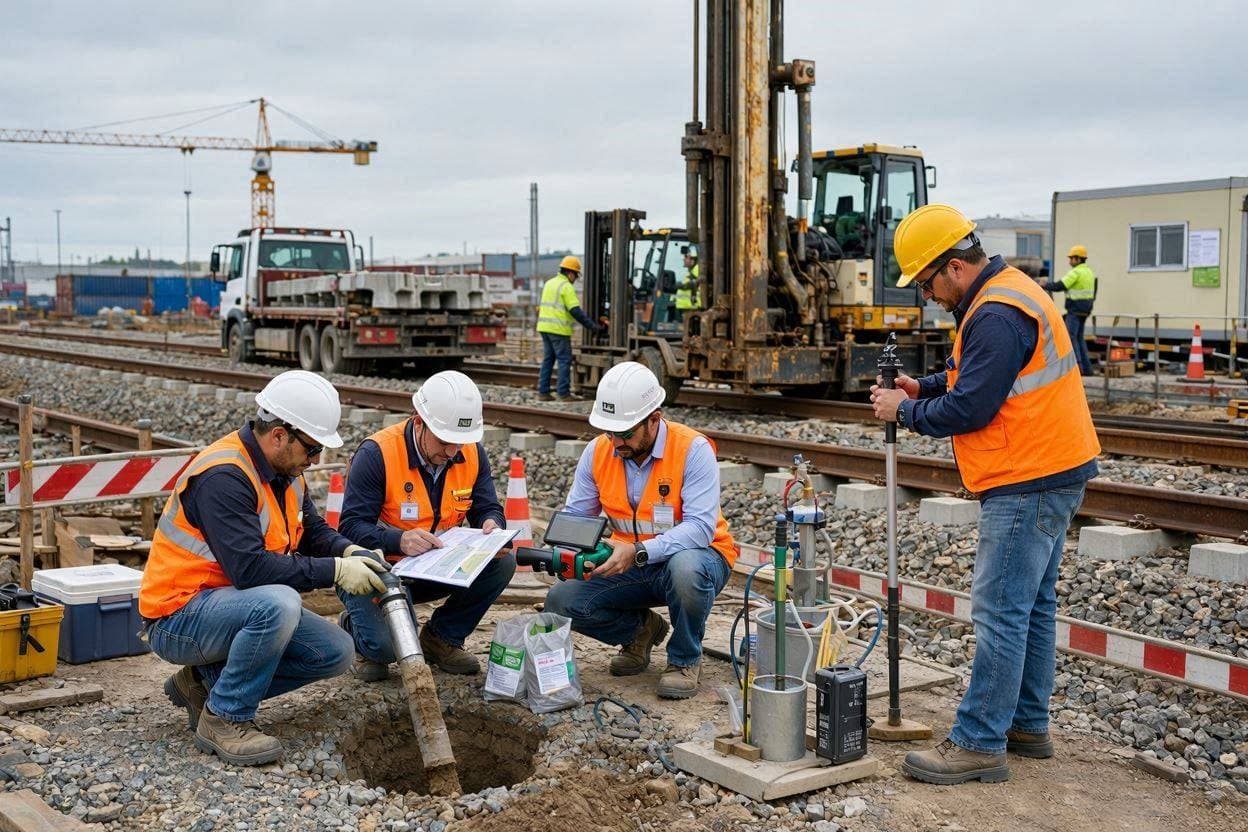
AI Image Disclaimer: The images accompanying this article are AI-generated illustrations showing rail construction areas, environmental inspections, and infrastructure planning scenes. They are conceptual visuals and are not actual photographs of the project site.
Sources:
ABC News Australia The Age The Guardian Australia Victorian Government Transport Authorities Environmental Protection Authority Victoria
Published by Banx Network. This article is part of the Banx decentralized media programme, powered by the BXE token on the XRP Ledger.