
Key Highlights
- Environmental Concerns:Asbestos and contaminated soil discovered at a rail project site.
- Safety Measures:Authorities assess risks to ensure compliance with safety standards.
- Urban Development:Challenges reflect broader issues in infrastructure planning.
Infrastructure projects often begin with a vision of movement — new tracks, new connections, and new opportunities for communities. Yet beneath many construction sites are layers of history that cannot always be seen from the surface. The discovery of asbestos and contaminated soil at a key rail development site highlights the careful balance between building for the future and addressing challenges from the past.
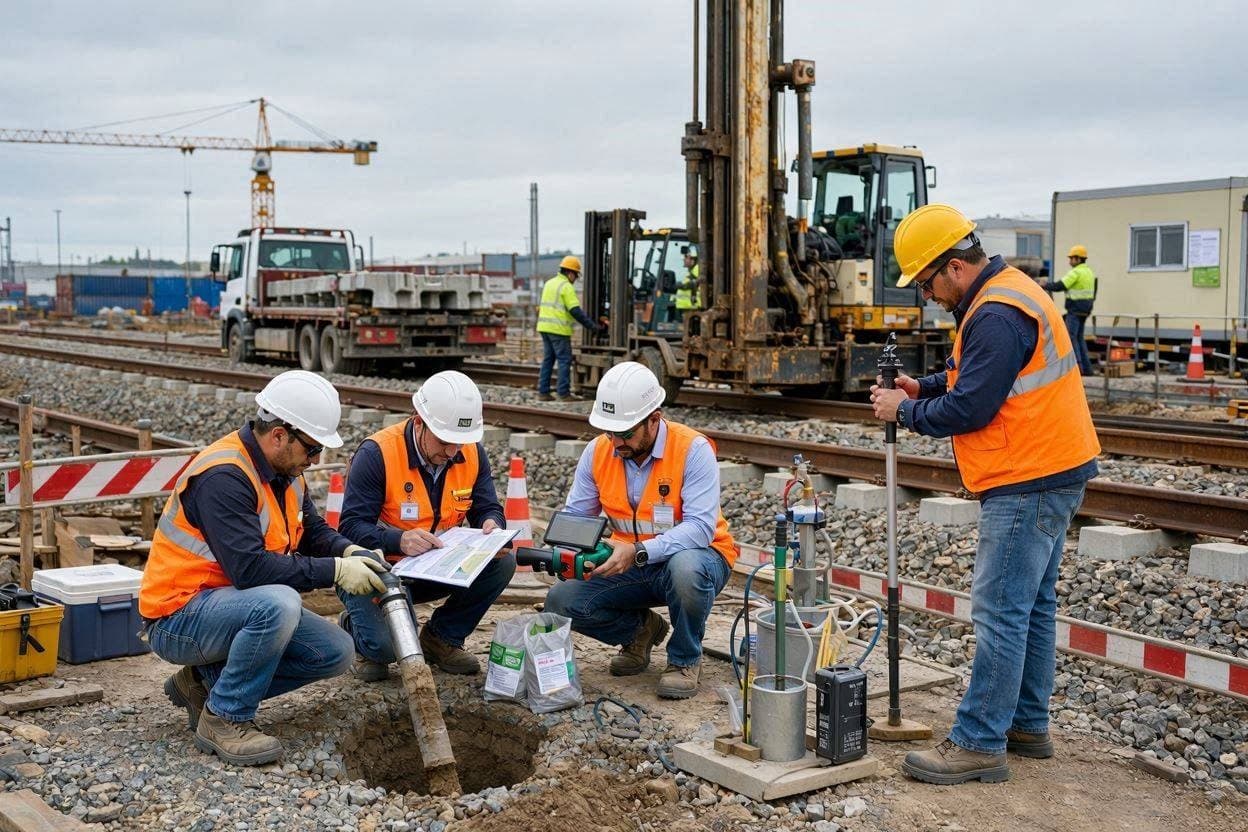
A major rail loop project site has encountered difficulties after environmental concerns involving asbestos and contaminated soil were identified. Authorities and project teams are currently assessing the extent of these issues while working to ensure that construction activities meet safety and environmental requirements. This situation underscores the complexities involved in modern infrastructure development, particularly in urban areas where historical land use can pose significant challenges.
Asbestos, a material once widely used in construction due to its durability and heat resistance, is now recognized as a serious health hazard when its fibers become airborne. Many older buildings, industrial areas, and former development sites require careful management because of past use of asbestos-containing materials. The presence of asbestos at the rail project site necessitates thorough testing and remediation efforts to protect workers and the surrounding community.
Contaminated soil presents another challenge for large-scale infrastructure projects. Land affected by previous industrial activities or improper disposal practices may require extensive testing, treatment, or removal before construction can safely continue. This process can lead to delays and increased costs, but it is essential for ensuring the safety of the project and the health of the community.
Rail projects involve complex planning because they connect communities while requiring significant work beneath and around urban environments. Engineers and environmental specialists often conduct detailed assessments to identify potential risks before major construction stages begin. The discovery of environmental concerns does not necessarily mean a project cannot proceed; instead, it often leads to additional planning, safety measures, and remediation efforts designed to protect workers, nearby communities, and the surrounding environment.
Transport authorities around the world regularly face similar challenges as cities expand and modern infrastructure is built on land with long histories. Managing these issues has become an important part of responsible urban development. For communities awaiting improved transport connections, delays can be frustrating. However, addressing environmental risks carefully helps ensure that new infrastructure is safe and sustainable over the long term.
As the rail project continues through its assessment process, attention remains focused on finding solutions that allow development while protecting public health. The situation serves as a reminder that every new path forward is often built upon layers of the past, necessitating a careful approach to infrastructure planning and execution.
Published by Banx Network. This article is part of the Banx decentralized media programme, powered by the BXE token on the XRP Ledger.



