Along the plains of Central Europe, pipelines run with the quiet persistence of buried rivers. They cross borders without ceremony, threading beneath farmland and forest, linking refineries to distant wells. For decades, the flow of oil through these conduits has shaped economies and softened winters, its movement rarely noticed unless it falters.
Now, in the heat of midsummer diplomacy, that current has slowed. Hungary and Slovakia have warned Ukraine that stalled shipments of Russian oil transiting Ukrainian territory could carry consequences, invoking both contractual obligations and regional energy stability. The dispute centers on crude supplied by Russia and transported via the southern branch of the Druzhba pipeline, which passes through Ukrainian land before reaching refineries in Central Europe.
Since Russia’s full-scale invasion of Ukraine in 2022, energy has become both lifeline and leverage. The European Union moved swiftly to reduce dependence on Russian oil and gas, adopting sanctions while carving out temporary exemptions for certain landlocked states. Hungary and Slovakia, lacking direct access to seaports, were among those granted transitional allowances to continue receiving Russian crude through pipelines while they diversify supplies.
In recent weeks, however, officials in Hungary and Slovakia have said that deliveries have been disrupted due to regulatory or transit issues within Ukraine. Kyiv has pointed to sanctions frameworks and compliance procedures affecting specific Russian entities, complicating payment or insurance arrangements tied to shipments. The result has been a pause that reverberates beyond balance sheets.
For Budapest and Bratislava, the concern is immediate. Refineries calibrated to process Russian Urals crude cannot swiftly pivot to alternative blends without technical adjustments. Energy ministers have spoken of legal avenues and potential retaliatory measures within European Union mechanisms, signaling frustration at what they see as an interruption to agreed flows. They argue that energy security, particularly for landlocked economies, should not become collateral in geopolitical disputes.
Ukraine, meanwhile, navigates its own calculus. The country remains at war, its infrastructure frequently targeted, its fiscal needs acute. Transit fees from pipeline shipments have historically provided revenue, yet Kyiv must also align with Western sanctions and broader strategic objectives. The delicate balance between maintaining European solidarity and exerting pressure on Moscow unfolds in a narrow diplomatic corridor.
The European Commission has stepped into the conversation, urging dialogue and technical resolution. Brussels faces a familiar tension: sustaining unity among member states while supporting Ukraine’s sovereignty and defense. Energy diversification efforts are underway across the bloc, from expanding LNG terminals to accelerating renewables, but transitions take time. In the interim, pipelines still matter.
In towns near refineries, the debate feels distant yet consequential. Workers monitor gauges and valves, aware that supply disruptions can ripple into production schedules and fuel prices. Households, too, watch inflation charts and utility bills with quiet vigilance. Energy, once assumed steady, has become a measure of geopolitical weather.
The threat language from Hungary and Slovakia has been calibrated rather than incendiary—references to consultations, legal review, and potential steps within EU frameworks. No formal sanctions against Ukraine have been announced, and talks continue. Yet the episode reveals how the war’s shockwaves extend into unexpected spaces, testing the cohesion of neighbors bound by shared institutions but divergent interests.
As evening settles across the Carpathian Basin, the pipelines remain beneath the soil, waiting. Diplomats exchange messages; engineers assess options; ministers weigh their words. Hungary and Slovakia have signaled dissatisfaction over stalled Russian oil shipments, and Ukraine maintains its regulatory stance. Between them lies a conduit that is more than steel—it is a reminder that in Europe’s present moment, energy flows are entwined with politics, and even a pause can echo widely.
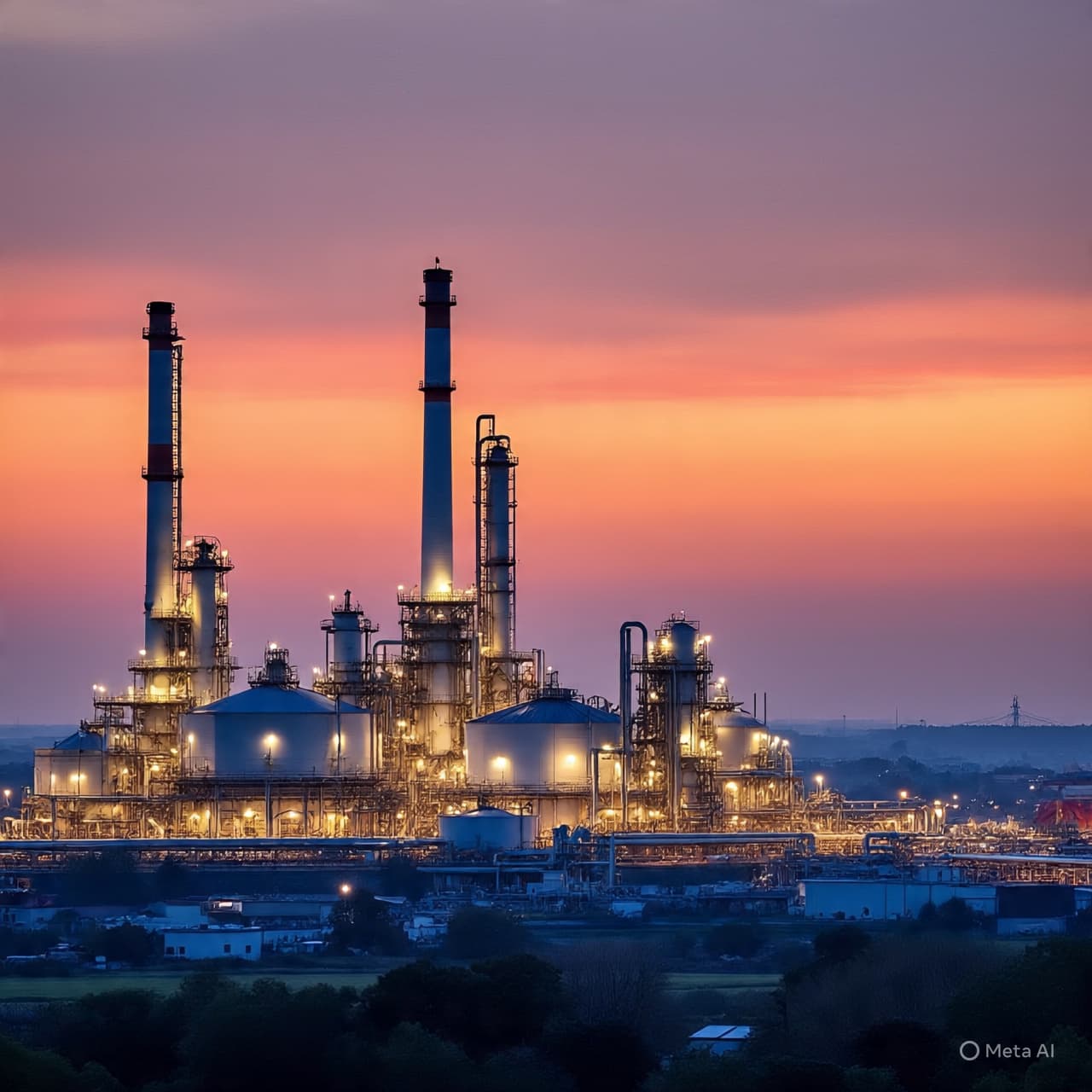
AI Image Disclaimer Visuals are AI-generated and serve as conceptual representations.
Sources Reuters Politico Europe Financial Times BBC News European Commission
Published by Banx Network. This article is part of the Banx decentralized media programme, powered by the BXE token on the XRP Ledger.