Indonesia is experiencing its most intense wildfire season in 11 years, with unusually hot and dry conditions associated with a strong “super El Niño” contributing to the spread of fires. Smoke has affected communities across the country and has also crossed national borders, reaching Malaysia and Singapore.
The Forestry Ministry reported that the number of hotspots had nearly halved over a recent period. On the surface, the decline might appear to signal that the worst of the season is beginning to retreat. But specialists say the number alone cannot capture what is happening beneath peatland landscapes.
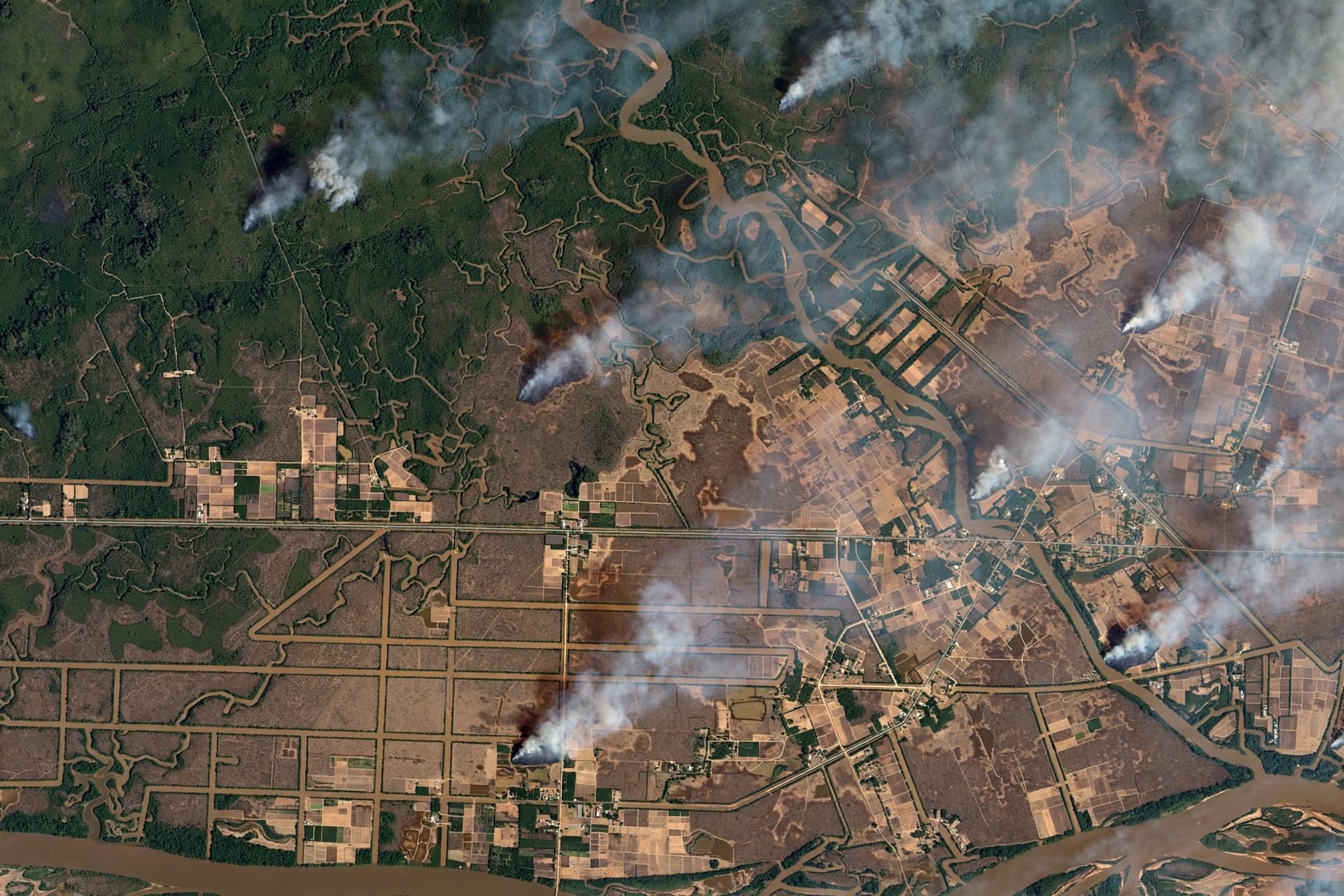
Peat fires behave differently from fires burning on mineral soil. They can continue smouldering below the surface, sometimes beyond the immediate view of satellite monitoring, before emerging again when conditions become favorable. That characteristic makes a temporary reduction in hotspots difficult to interpret as a definitive improvement.
The concern is particularly significant because Indonesia has millions of hectares of peatland, ecosystems that can become highly vulnerable after drainage, deforestation and other forms of landscape change. Pantau Gambut has estimated that 16 million of Indonesia’s 24 million hectares of peatland are now more prone to fire.
The consequences are not confined to forests and plantations. Smoke from the fires has contributed to hazardous air conditions, while health authorities have reported increases in respiratory illnesses in affected areas. In Palembang, South Sumatra, air-quality readings recently reached hazardous levels above 1,000, according to the Reuters report.
The regional dimension has added another layer to the crisis. Malaysia and Singapore have experienced haze linked to Indonesian fires, reminding the region that atmospheric conditions do not follow political or administrative boundaries. What begins as a fire in one landscape can become a shared environmental problem hundreds of kilometers away.
Indonesia has expanded firefighting and prevention efforts, including aerial operations and measures aimed at managing fires in vulnerable regions. But environmental groups argue that long-term protection depends on more than extinguishing visible flames. Restoration of damaged peatlands and maintenance of healthy water levels can influence whether the landscape remains combustible in the first place.
There is also a quiet difficulty in judging progress. A falling number on a monitoring screen can suggest that the landscape is recovering, while underground peat may still retain heat. For communities living near forests and plantations, the distinction matters because the return of smoke can happen quickly when wind, temperature and dryness align.
Indonesia’s wildfire season therefore remains a story still in motion. The latest decline in hotspots is welcome, but it does not erase the conditions that created the fires. For now, environmental groups are urging authorities to maintain vigilance as hot and dry weather continues, particularly across vulnerable peatland areas.
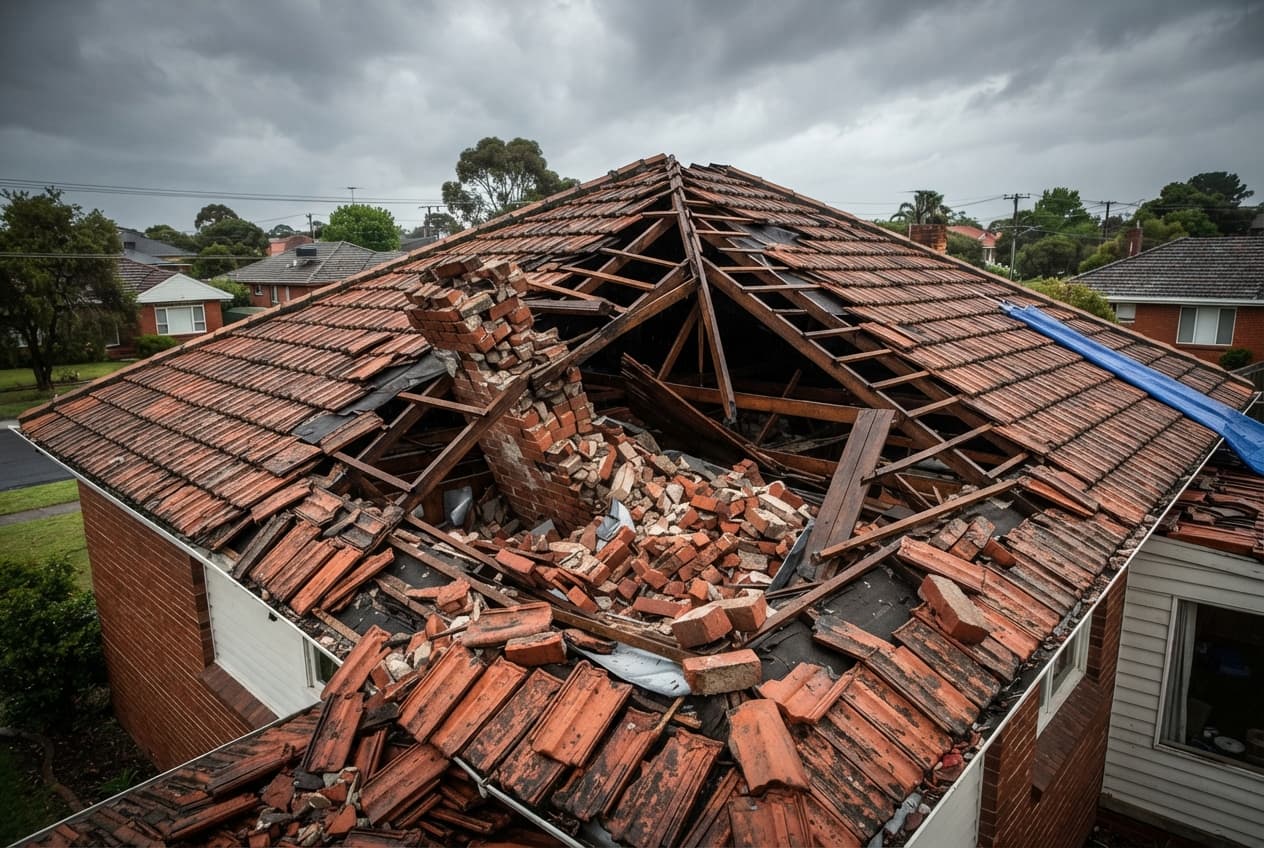
AI Image Disclaimer AI-generated illustration for editorial use only. The image is a visual interpretation and is not a documentary photograph of the wildfire situation.
Sources Reuters Pantau Gambut Forestry Ministry of Indonesia Greenpeace BNPB
Published by Banx Network. This article is part of the Banx decentralized media programme, powered by the BXE token on the XRP Ledger.