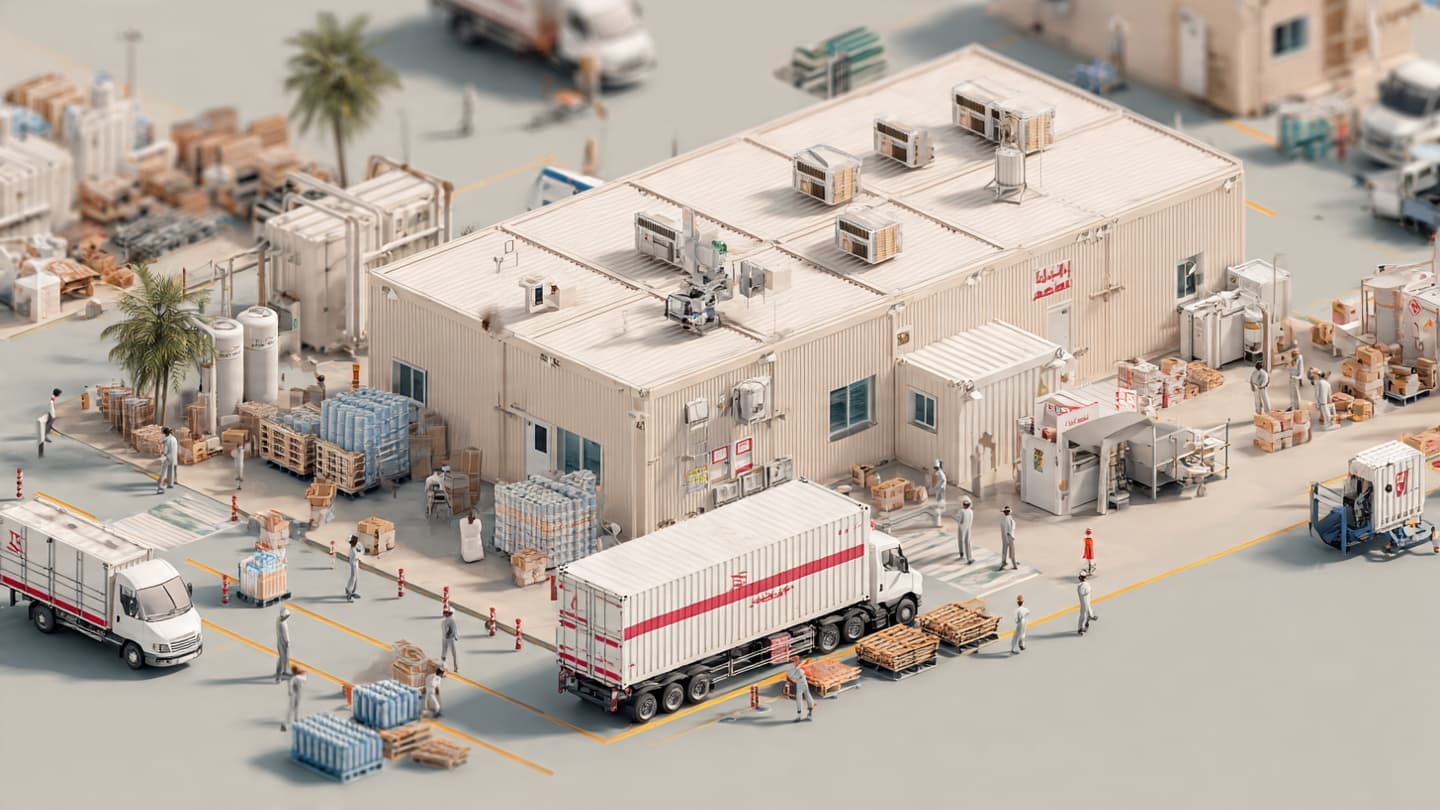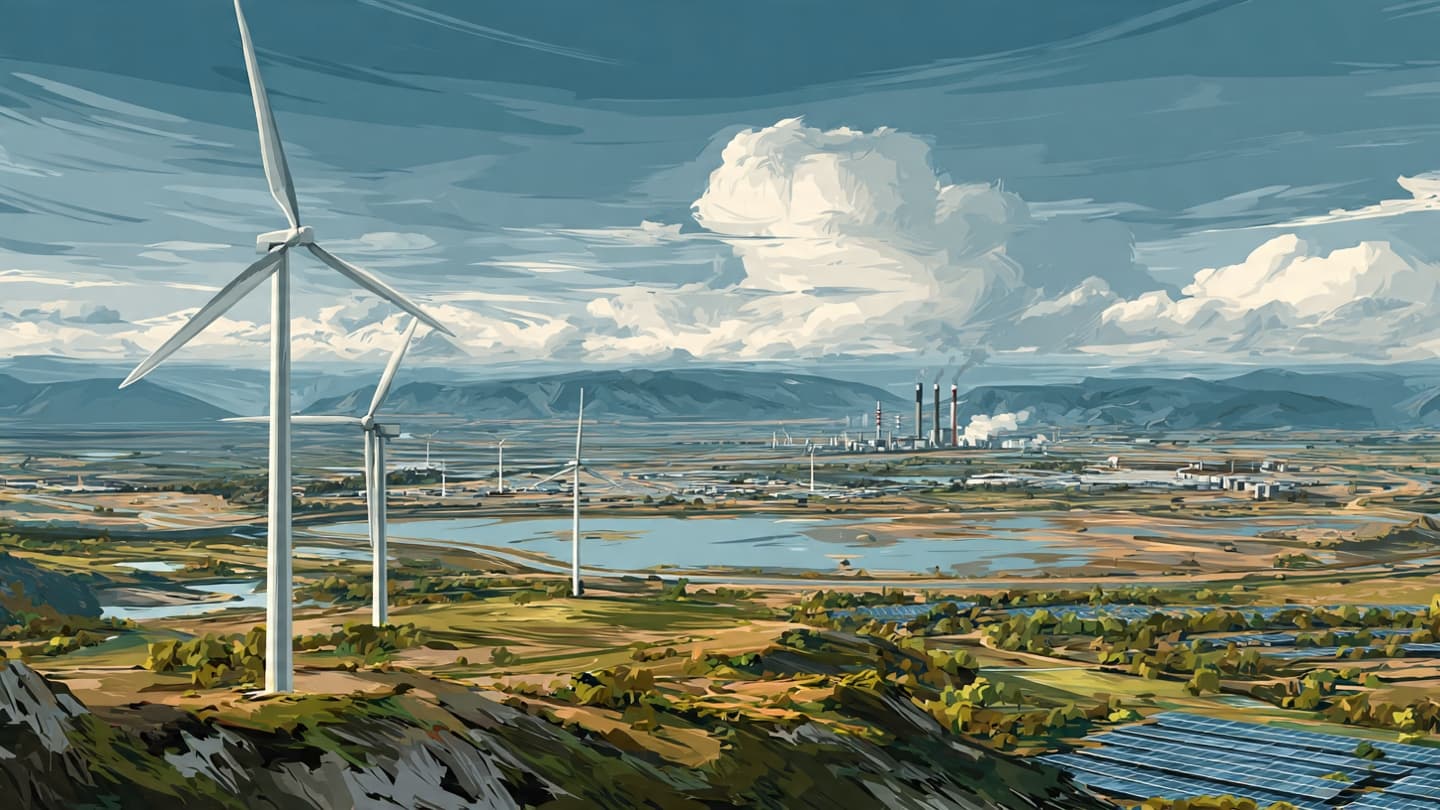
Along the coastlines of the Gulf and across the wind-swept plains of Europe, the energy landscape is undergoing a gradual transformation. Germany and the United Arab Emirates are deepening their energy cooperation through agreements involving renewable energy and natural gas, reflecting the complicated balance between present needs and future ambitions.
Energy has become one of the central concerns of the modern global economy. It powers factories, transports goods, heats homes, and supports digital infrastructure. Yet the systems that provide it are facing pressure from geopolitical uncertainty, changing markets, environmental targets, and the growing demand for reliable supply.
Germany has been working to reshape its energy structure while maintaining the stability required by its industrial economy. The country has invested heavily in renewable power, especially wind and solar energy, but it continues to face the practical challenge of ensuring that electricity and fuel remain available when weather conditions change or demand rises.
The UAE occupies a different position in the global energy system. It remains an important producer of hydrocarbons while also investing in renewable energy, hydrogen, advanced infrastructure, and low-carbon technologies. Its strategy reflects an effort to remain influential during a period when energy markets are gradually moving toward greater diversification.
The new agreements involving renewable energy and natural gas illustrate that the energy transition is unlikely to follow a single straight path. Renewable power may represent a growing part of the future, but natural gas can still play a role in supporting electricity systems and industrial activity during periods of uncertainty or limited renewable generation.
For Germany, cooperation with the UAE may offer access to energy resources, investment networks, and new opportunities for technology partnerships. It may also strengthen connections with a region that is becoming increasingly important in discussions about energy transportation, infrastructure, and global supply chains.
For the UAE, cooperation with Germany provides a channel into one of Europe’s most significant industrial markets. German engineering, energy technology, and research capabilities may complement the UAE’s financial resources and experience in developing large-scale energy projects.
The agreements also carry significance because energy security is no longer viewed only as a question of production. It includes transportation routes, storage facilities, infrastructure resilience, digital systems, and the ability to respond to sudden disruptions. A reliable energy partnership therefore requires more than the exchange of fuel. It demands planning across many layers of the economy.
The relationship between Germany and the UAE may continue to evolve as both countries assess the demands of the coming decades. Renewable energy, natural gas, hydrogen, and advanced technology may exist side by side for some time, forming a complex system rather than a simple transition from one source to another.
In that changing landscape, cooperation between Berlin and Abu Dhabi reflects a wider search for balance. The future of energy will be shaped not only by the resources beneath the ground or the sunlight above it, but also by the partnerships capable of connecting technology, investment, and long-term security.
AI IMAGE DISCLAIMER: The illustration accompanying this article is AI-generated and is intended for editorial visualization only. It does not represent an actual event, location, or official photograph.
SOURCES: Reuters German government statements UAE energy-sector statements
Published by Banx Network. This article is part of the Banx decentralized media programme, powered by the BXE token on the XRP Ledger.