
Key Highlights
- Incident:A gas explosion in a Chinese coal mine has reportedly killed over 80 workers.
- Response:Emergency teams were dispatched for rescue efforts amid hazardous conditions.
- Investigation:Authorities are examining potential safety failures and regulatory compliance.
A devastating gas explosion at a coal mine in China this week has resulted in the tragic loss of over 80 lives, marking one of the deadliest industrial accidents in recent memory. The explosion occurred during routine operations, according to preliminary reports from local authorities, who have since launched investigations into the incident.
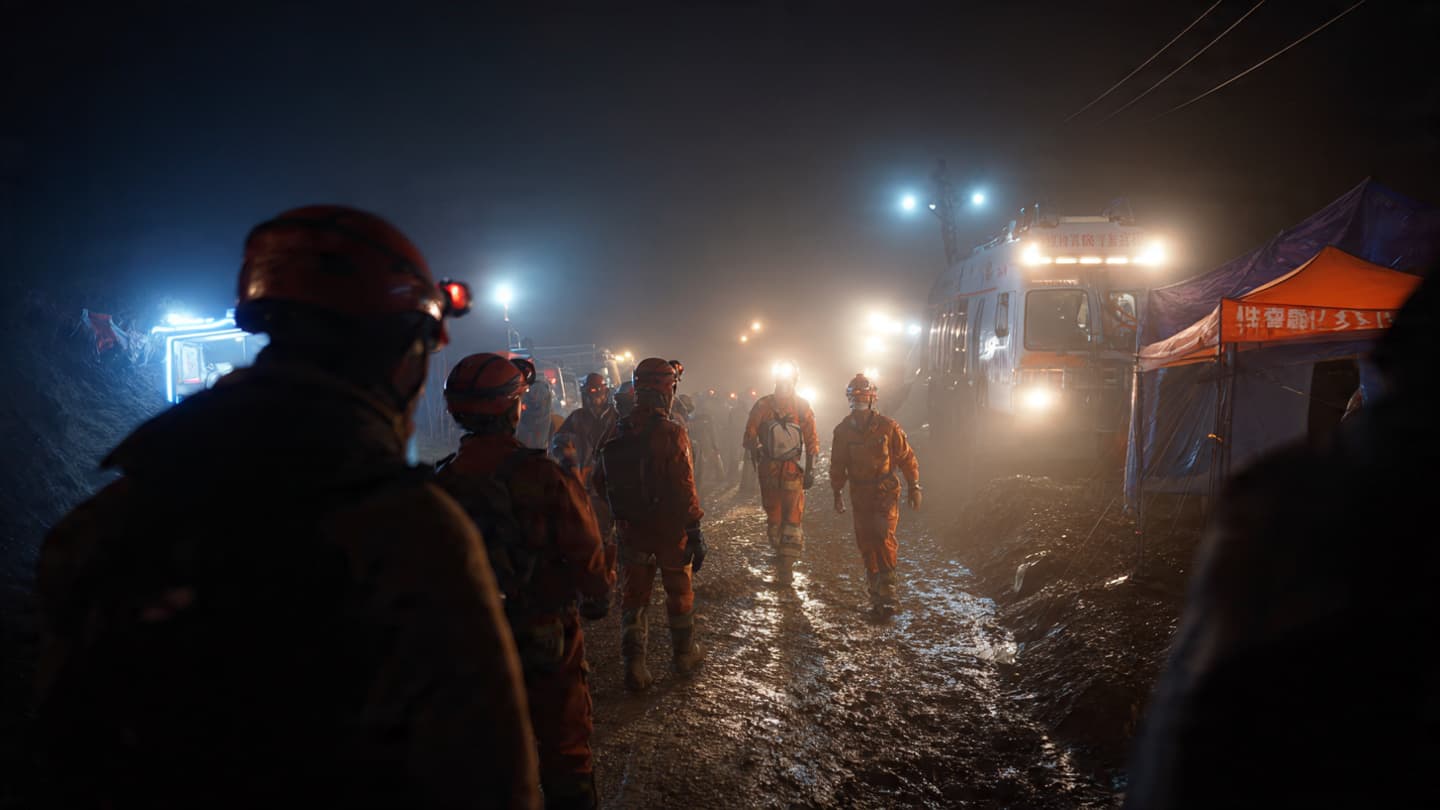
Emergency response teams were quickly mobilized to the site, where they faced perilous conditions as they worked to rescue trapped miners. The hazardous environment, compounded by damaged infrastructure, made the rescue efforts particularly challenging. As families of the victims gathered near the site, they awaited news of their loved ones, highlighting the emotional toll of such disasters.
Investigators are currently looking into the potential causes of the explosion, which may include failures in ventilation systems, gas monitoring, or operational safety procedures. Industrial accidents of this magnitude typically prompt extensive technical reviews and scrutiny from national regulatory bodies, as officials seek to prevent future tragedies.
China is one of the world's largest coal producers, heavily reliant on mining operations to fuel its industrial activities and meet energy demands. Despite significant improvements in mining safety standards over the past few decades, the industry still grapples with challenges such as aging infrastructure and the pressures of production. These factors contribute to a hazardous working environment for miners, who face risks from methane gas accumulation, tunnel collapses, and equipment failures.
The recent disaster has sparked widespread public concern in China, where industrial accidents often lead to broader discussions about labor safety and the effectiveness of regulatory oversight. In response to previous incidents, Chinese authorities have pledged to strengthen enforcement of industrial safety regulations, with inspections and modernization programs aimed at reducing fatalities and improving accountability in the mining sector.
As China navigates its energy transition, the coal industry faces additional complexities. While the country is investing heavily in renewable energy sources, coal remains a critical component of its energy supply, especially during periods of high industrial demand. This dual focus on coal and renewables complicates the landscape for mining operations and safety regulations.
As investigations into the recent explosion continue, this tragedy serves as a stark reminder of the human cost often overshadowed by industrial progress. Behind the statistics and production figures are the workers and families whose lives are deeply intertwined with the industries that operate beneath the earth's surface.
Published by Banx Network. This article is part of the Banx decentralized media programme, powered by the BXE token on the XRP Ledger.



