

Key Highlights
- Discovery:Police found 1.5 tons of cocaine hidden in cement bags.
- Connection:The operation is linked to the Kinahan organized crime group.
- Impact:The seizure disrupts significant drug trafficking routes in Europe.
In a striking revelation of the hidden complexities of organized crime, police recently uncovered 1.5 tons of cocaine concealed within ordinary cement bags at a warehouse linked to the Kinahan organized crime group. This discovery not only highlights the innovative methods employed by drug traffickers but also underscores the ongoing challenges faced by law enforcement in combating transnational drug networks.
The warehouse, located in an undisclosed area, was under surveillance due to its suspected connections to the Mocro mafia, a criminal organization known for its involvement in drug trafficking across Europe. Authorities believe that this operation is part of a larger scheme orchestrated by the Kinahan cartel, which has been implicated in various drug distribution routes from South America to Europe.
The method of concealment used in this case is particularly noteworthy. By hiding cocaine within cement packaging, traffickers exploit the heavy and unremarkable nature of the product to evade detection. The sheer weight of the cement bags typically raises no suspicion, allowing illicit cargo to blend seamlessly into legitimate shipments. This tactic reflects a broader trend in drug trafficking, where ordinary commercial goods are often repurposed to disguise illegal substances.
Investigators have noted that the seizure of such a large quantity of cocaine represents a significant disruption to the operations of organized crime groups. At wholesale prices, the value of 1.5 tons of cocaine is staggering, and once distributed on the street, the potential profits could multiply exponentially. This highlights the scale at which these criminal organizations operate and the substantial financial incentives driving their activities.
The Kinahan network, which has garnered attention from law enforcement agencies worldwide, is known for its intricate trafficking routes and collaborations with other criminal entities. These alliances enable the sharing of resources and logistics, thereby reducing operational risks. The recent raid is a testament to the ongoing efforts by authorities to dismantle such networks, although the adaptability of these groups poses a continual challenge.
Raids like this are often the culmination of extensive investigations involving surveillance, intelligence sharing, and financial tracking. By the time officers entered the warehouse, they had already pieced together a significant amount of information about the operation. The discovery of the cocaine was not merely a random find; it was the result of a concerted effort to unravel the complexities of a global drug trade.
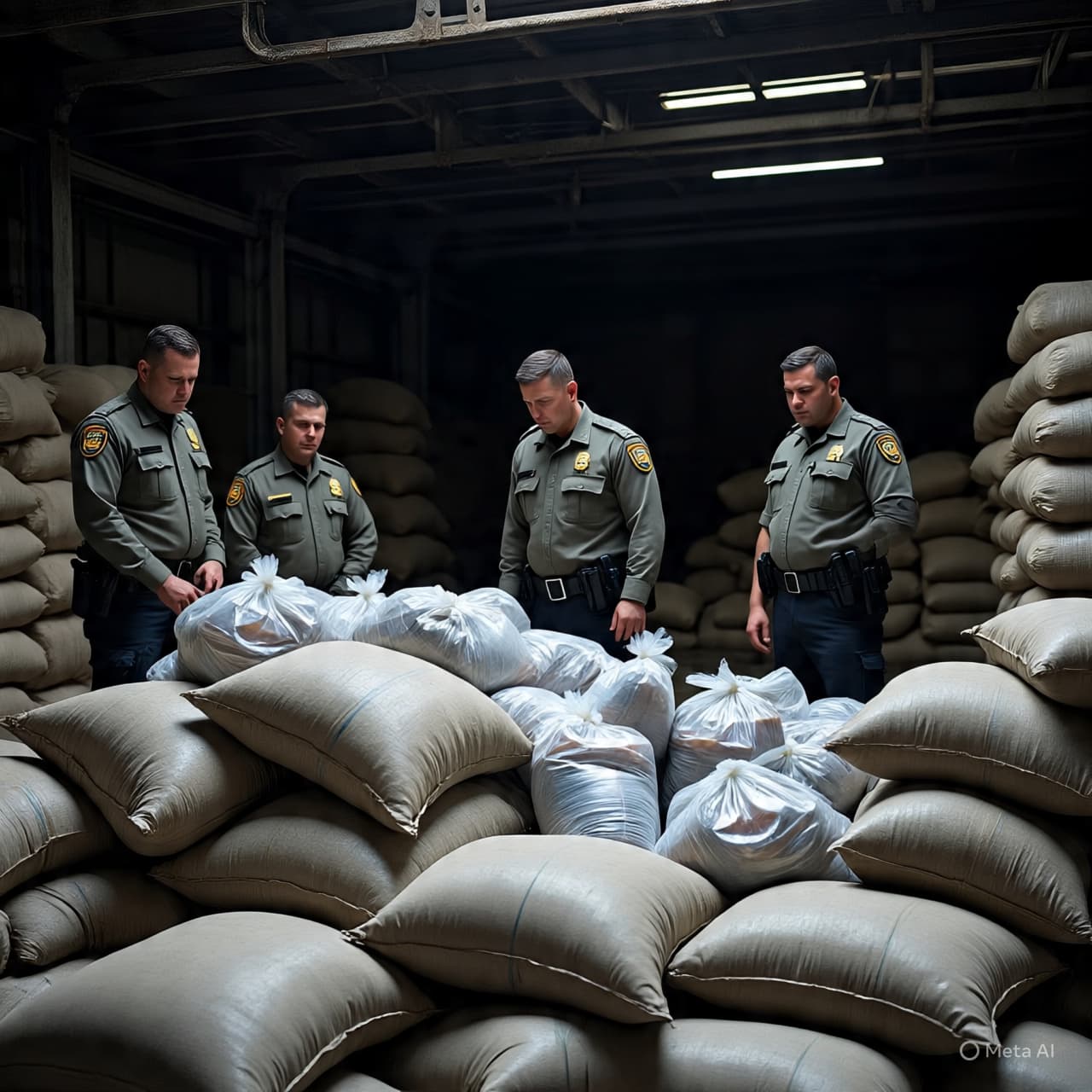
Footage from the raid shows officers meticulously examining the cement bags, revealing the hidden contents that had been carefully concealed. Each bag, once thought to be a mundane construction material, told a story of illicit trade and the lengths to which traffickers will go to evade law enforcement.
As the investigation continues, authorities remain vigilant. The networks behind such operations are often fluid, capable of shifting routes and partners in response to increased scrutiny. The warehouse now stands as a stark reminder of how ordinary settings can conceal extraordinary criminal activities, and the ongoing battle against organized crime remains a pressing concern for law enforcement agencies across Europe.
The story of the cement bags and the cocaine they concealed is far from over. As investigators delve deeper into the connections and logistics of this operation, further revelations may emerge, shedding light on the intricate web of global drug trafficking.
Published by Banx Network. This article is part of the Banx decentralized media programme, powered by the BXE token on the XRP Ledger.




