
Key Highlights
- Grant Amount:The African Development Bank has approved a $24 million grant for Somalia.
- Focus Areas:The funding aims to improve water supply and sanitation services.
- Long-term Impact:Investments target infrastructure resilience and governance.
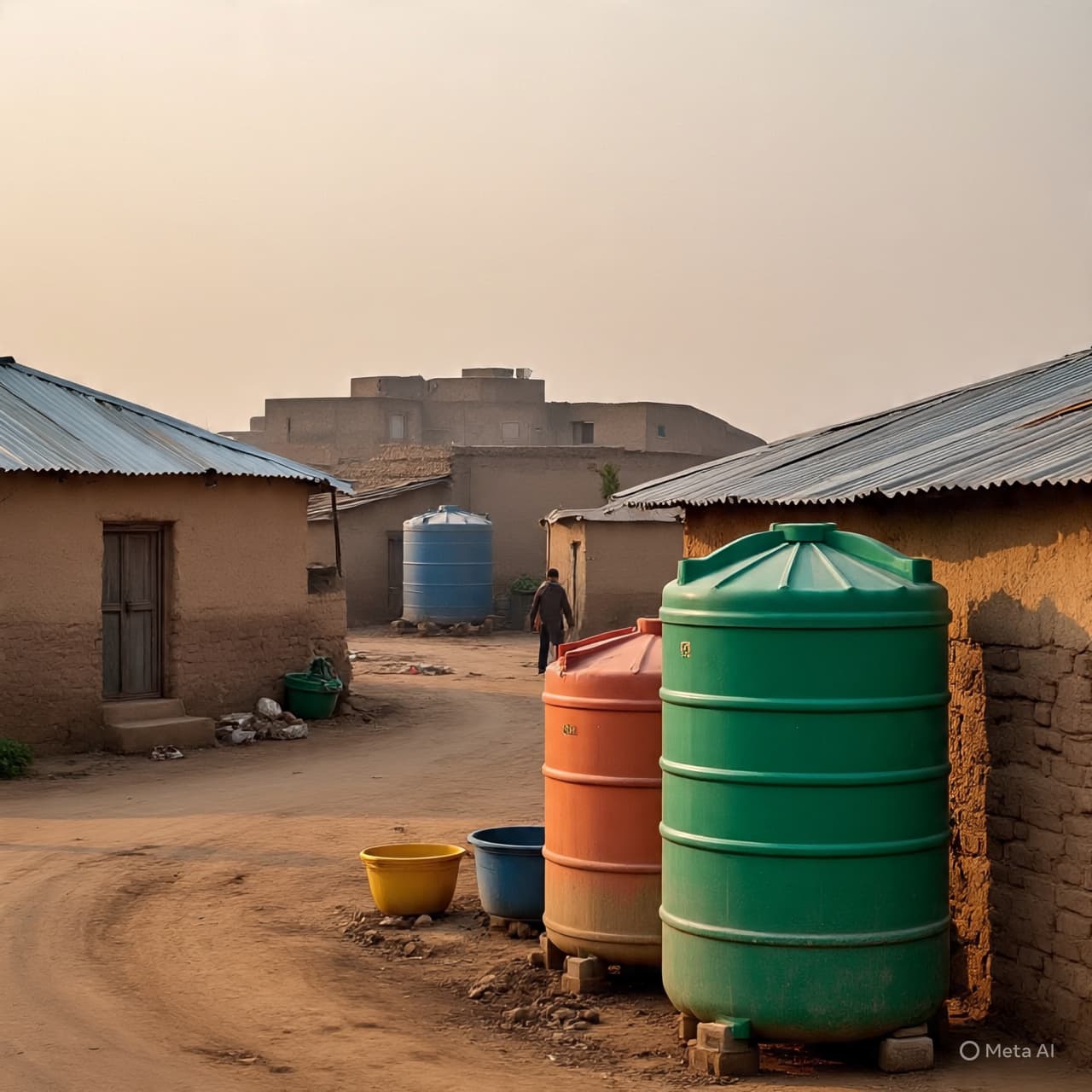
The morning light in Mogadishu reveals a city grappling with the daily challenges of water scarcity. Residents engage in a familiar routine, testing taps and carrying containers, often waiting for water that may not arrive. This daily struggle reflects a broader narrative of fragility shaped by climate change, conflict, and inadequate infrastructure. Amidst this backdrop, the African Development Bank (AfDB) has taken a significant step to address these challenges by approving a $24 million grant aimed at enhancing water supply and sanitation services across Somalia.
The AfDB's decision, made during a recent board meeting, is not just a financial commitment; it represents a strategic initiative to strengthen the underlying systems that support daily life in Somalia. The grant will focus on rehabilitating and expanding water supply systems, improving sanitation infrastructure, and enhancing the capacity of local institutions to manage these services effectively. This approach emphasizes the importance of governance and sustainable management, which are crucial in a country where institutions are still in the process of being rebuilt.
Somalia's water crisis is exacerbated by recurrent droughts and flooding, which disrupt access to safe water and sanitation. As urban areas expand due to displacement and return, the pressure on existing water networks increases, leading to health vulnerabilities, particularly during outbreaks of waterborne diseases. The AfDB grant aims to address these issues incrementally, focusing on both immediate needs and long-term sustainability.
For communities, the implications of improved water access are profound. Reliable water supply reduces the time spent collecting water, lowers household expenses, and diminishes health risks, particularly for children who are most vulnerable to waterborne illnesses. Enhanced sanitation infrastructure will also protect vital water sources from contamination, contributing to overall public health improvements. While these changes may not be immediately visible in the urban landscape, they significantly impact the quality of life and resilience of communities.
The AfDB's funding aligns with a broader recognition among development banks that investments in water and sanitation are critical for climate resilience. In fragile states like Somalia, stability is closely linked to the availability of essential services that can withstand environmental stress. As Somalia navigates the challenges posed by climate change and economic recovery, such investments are vital for fostering a stable foundation for future growth.
As the sun sets over Mogadishu, the daily rituals of water collection continue, underscoring the ongoing challenges faced by residents. While the approval of the AfDB grant does not immediately change the scene, it marks a significant step towards rebuilding Somalia's water infrastructure. The implementation of this funding will require time, coordination, and community engagement, but it represents a quiet turning point in the long journey towards sustainable development and resilience in Somalia.
Published by Banx Network. This article is part of the Banx decentralized media programme, powered by the BXE token on the XRP Ledger.



