
Key Highlights
- Iran's Revolutionary Guard claims to have intercepted American weapons intended for armed groups.
- The operation reflects ongoing regional tensions involving Iran and the U.S.
- Independent verification of the claims remains limited, with no U.S. confirmation.
The Middle East has long been a theater of covert operations and hidden conflicts, where the movement of weapons often occurs silently across borders and deserts. Recently, Iran's Islamic Revolutionary Guard Corps (IRGC) announced a significant operation, claiming to have disrupted a planned transfer of American weapons intended for armed groups in the region. This announcement underscores the complex web of influence, security, and competing narratives that characterize the ongoing tensions in the area.
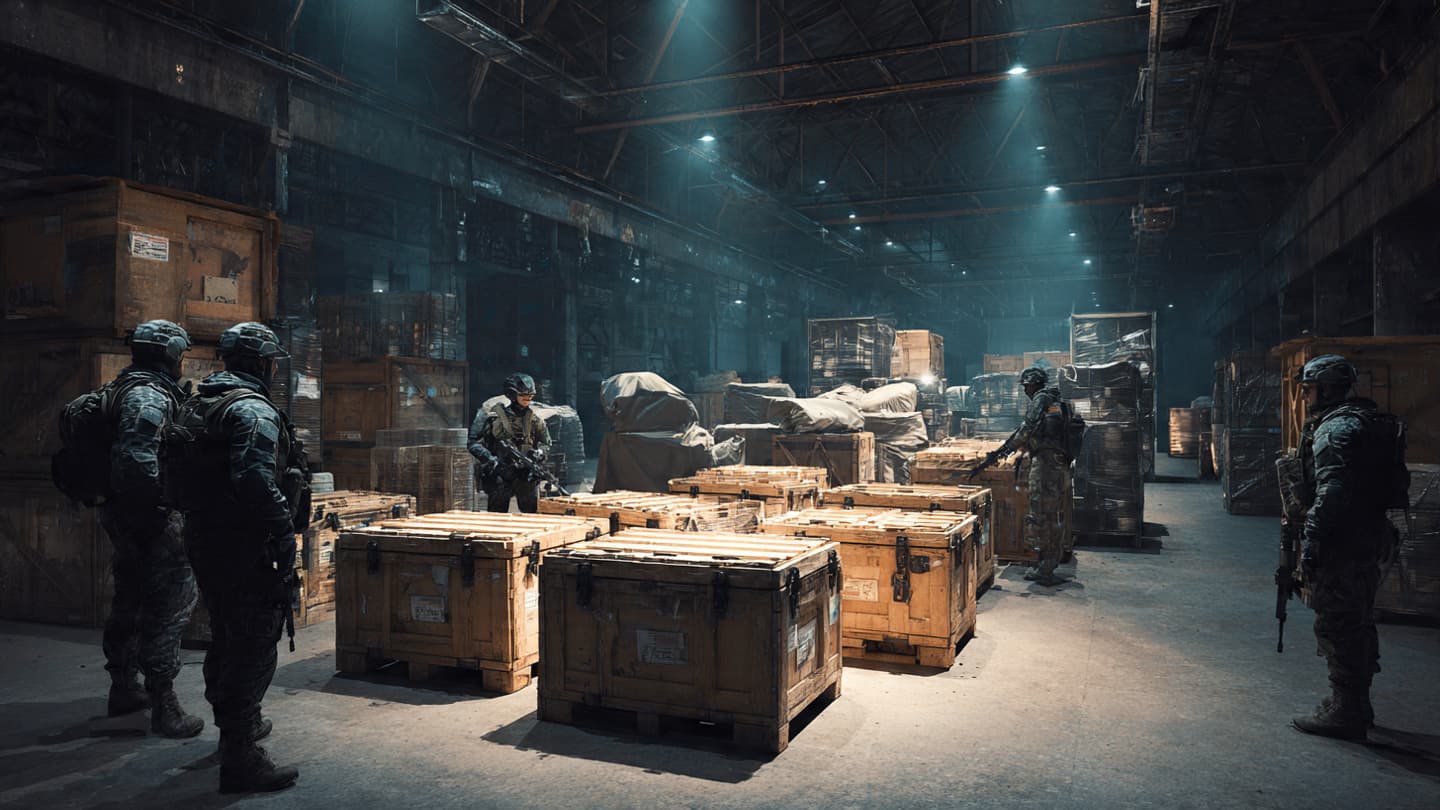
According to Iranian state media, the IRGC's operation involved intelligence monitoring and coordinated interception efforts targeting alleged smuggling channels. The authorities claimed that the intercepted shipment included military equipment and ammunition linked to networks supporting anti-Iranian factions. This operation was framed as part of broader efforts to secure national borders and prevent destabilizing activities both within Iran and in neighboring regions.
Despite the dramatic nature of the announcement, independent verification of the claims remains limited. U.S. officials had not publicly confirmed the allegations at the time reports circulated internationally. Nevertheless, the announcement quickly gained traction due to the ongoing regional tensions involving Iran, the United States, and various armed groups operating across the Middle East. Security analysts noted that accusations of weapons transfers are common in regional conflicts, where proxy groups and overlapping alliances shape political and military dynamics.
The timing of this incident is particularly noteworthy, as it coincides with heightened sensitivity surrounding maritime security, military positioning, and negotiations regarding Iran's international relations. Observers suggest that such announcements can significantly influence domestic public opinion and broader geopolitical messaging. The IRGC has historically positioned itself as a defender of national sovereignty and regional security, often emphasizing themes of vigilance and resistance against foreign interference in its public statements.
Public reaction to the announcement varied across regional media. Supporters of the Iranian government viewed the operation as evidence of effective security measures, while critics and independent analysts called for greater transparency and internationally verifiable details regarding the alleged transfer. This divergence in interpretation highlights the complex narratives at play in the region.
As the situation develops, the broader implications of the reported interception remain uncertain. However, this incident serves as a reminder of how regional rivalries unfold not only through public diplomacy and rhetoric but also through covert security operations that often remain hidden from the outside world. The dynamics of these conflicts continue to evolve, reflecting the intricate interplay of local and international interests.
Published by Banx Network. This article is part of the Banx decentralized media programme, powered by the BXE token on the XRP Ledger.



