
Key Highlights
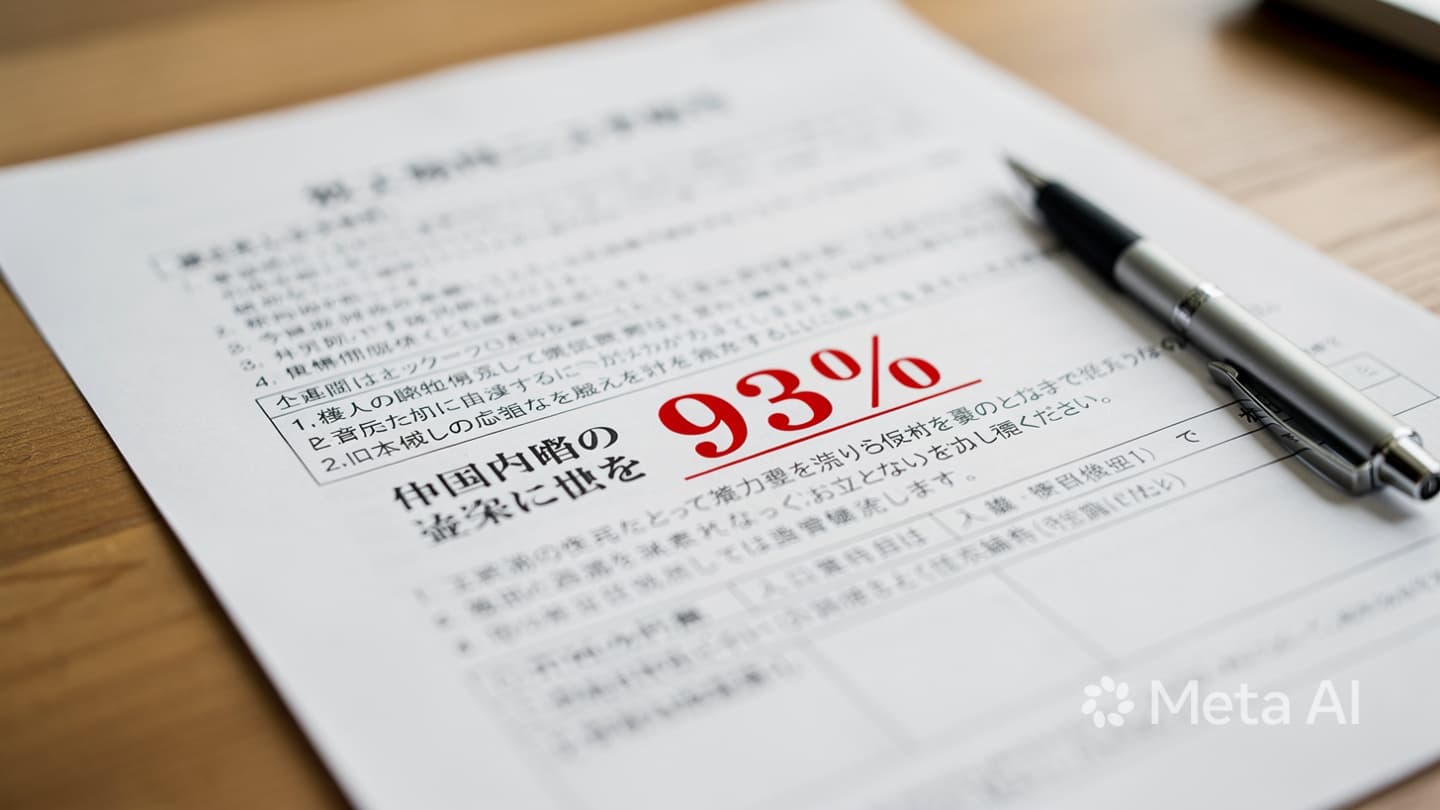
- 93% of sexual assault survivors in Japan demand an end to victim-blaming.
- Approximately 60% reported feeling mistreated during police investigations.
- Advocates call for mandatory trauma-informed training for law enforcement.
In the quiet, clinical rooms of Japan’s police stations and prosecutors' offices, a secondary trauma is often unfolding—one that leaves no physical marks but cuts deeper than the initial act of violence. It is a world defined by a specific kind of interrogation, where survivors of sexual crimes are met not with the soft light of empathy, but with the cold, hard questions of skepticism. For decades, the narrative of "victim-blaming" has been a silent shadow over the pursuit of justice, a cultural and institutional reflex that shifts the weight of a crime from the perpetrator to the person who endured it.
However, the air in the legal community was recently punctured by a definitive and collective voice of resistance. A survey, as stark as it is somber, has revealed that 93% of sex-crime survivors in Japan are demanding an immediate end to this "secondary victimization." It is a jarring narrative where the majority of those who sought the protection of the state instead found themselves on trial, their choices, their clothing, and their reactions scrutinized under a lens of suspicion.
The survey results highlight a profound dissatisfaction with the investigative process, with nearly two-thirds of respondents reporting feelings of "discomfort" or "humiliation" during questioning. There is a visceral pain in the imagery of a survivor being asked why they did not run or why they were in a certain place at a certain time—questions that imply a shared responsibility for a violation that was entirely uninvited. These words, often delivered by the very officials tasked with providing safety, serve as a second wound, reinforcing the stigma that keeps so many others in the shadows.
Authorities are now faced with a clear and urgent mandate for reform. The demand for change is not just about the language used in a room, but about a fundamental shift in the architecture of the justice system. It is a call for specialized training, for the presence of trauma-informed advocates, and for a culture that prioritizes the dignity of the survivor over the convenience of a traditional interrogation. In the sterile environment of the law, the "human" element is finally demanding its place.
The neighborhood of the survivor’s mind is often a fragile landscape, and the experience of victim-blaming can turn a path toward healing into a labyrinth of self-doubt. When the state echoes the shaming of the public, the path to justice becomes a gauntlet that many choose not to run. The 93% figure represents more than just a statistic; it is a ledger of thousands of lives that have been further diminished by the very system meant to restore them.
As the findings are discussed in the halls of the Diet and within the leadership of the National Police Agency, the focus remains on the implementation of "secondary victimization" prevention measures. The transition from a culture of blame to one of support is a necessary and monumental task, requiring the unlearning of centuries of social conditioning. It is a search for a justice that does not require the sacrifice of the victim’s remaining peace.
For the survivors who participated in the survey, the act of speaking out is its own form of reclamation. By naming the harm done in the interview room, they are beginning to dismantle the structures that have long protected the status quo. The story of sexual crime in Japan is no longer just a narrative of what happened in the dark, but a public demand for how we conduct ourselves in the light.
The legal process will eventually conclude for some, but the movement for a blame-free investigation is only beginning. The transition from the "secondary wound" to a system of true sanctuary is the next great frontier of Japanese civil rights. Until that 93% is heard and acted upon, the silence in the interview room will remain a haunting reminder of the work that remains.
A recent survey conducted by advocacy groups in Japan has found that 93% of sexual assault survivors are calling for an end to victim-blaming by police and prosecutors. The data reveals that approximately 60% of respondents felt mistreated or "secondarily victimized" during the investigative process, citing insensitive questioning such as "Why didn't you resist?" or "What were you wearing?" Survivors are demanding the implementation of mandatory trauma-informed training for all law enforcement officials to ensure a more compassionate and effective path to justice.
Published by Banx Network. This article is part of the Banx decentralized media programme, powered by the BXE token on the XRP Ledger.



