
The downtown core of a modern city is defined by its vertical ambitions, where concrete and steel rise to meet the sky in a testament to human progress. In these bustling commercial sectors, thousands of people navigate the corridors of multi-story buildings, their lives organized around the rigid geometry of urban architecture. Within these structures, safety is an invisible foundation, something taken for granted as the city hums with the energy of commerce. It is a world built on the promise of stability, where the floor beneath one's feet feels absolute.
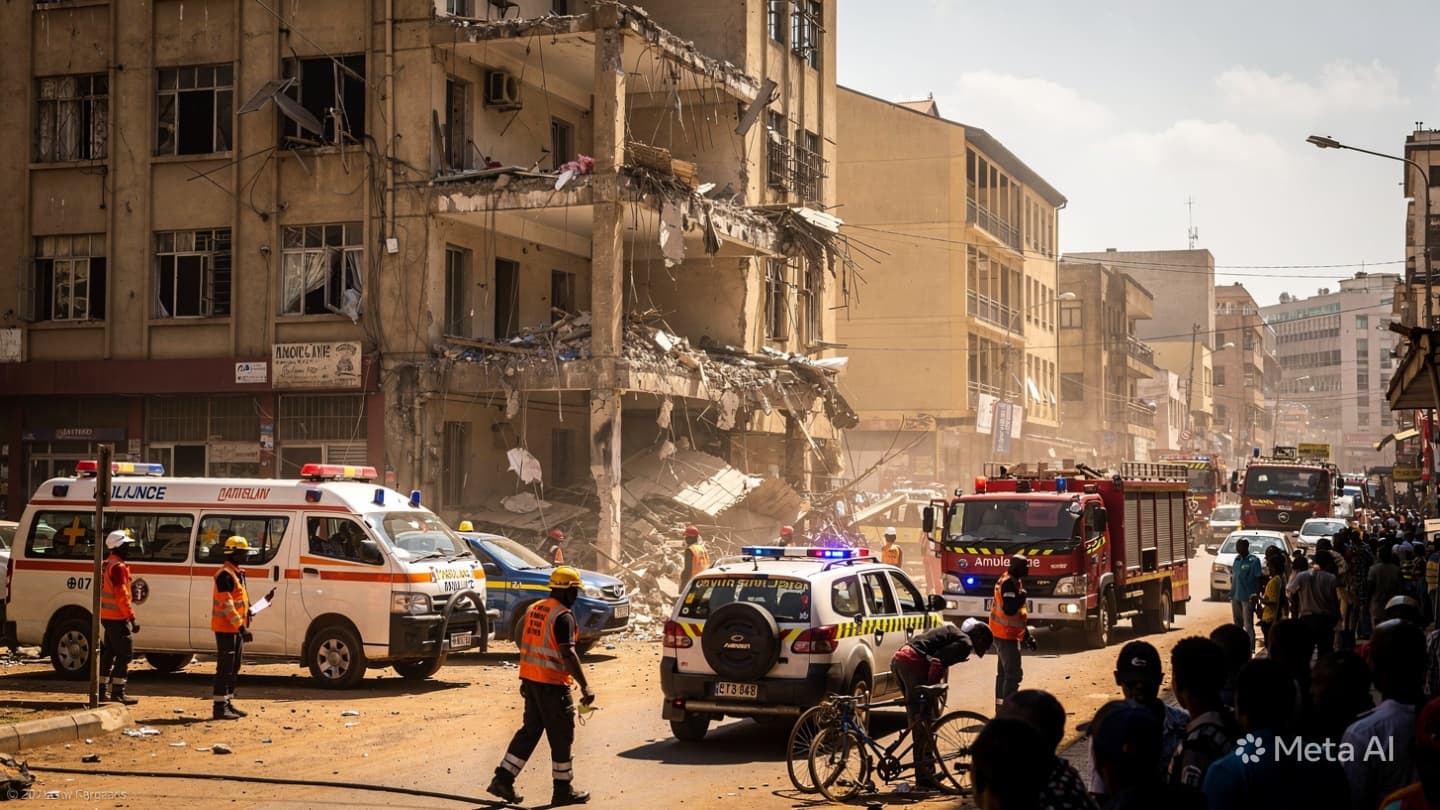
That promise was catastrophically broken on June 9, 2026, when a commercial building in the downtown district suffered a sudden and total structural failure. Without warning, the internal columns gave way, initiating a pancake collapse that brought several floors crashing down into a dense mountain of debris. The sound of the collapse tore through the bustling afternoon, replacing the familiar urban soundscape with a violent roar and a massive cloud of grey dust. Within seconds, a place of active livelihood was reduced to a static, fractured landscape of gray stone and twisted rebar.
Seventeen lives were lost beneath the weight of the collapsed material, their daily routines ending in the dark confines of the rubble. For those inside who survived the initial impact, the world became a claustrophobic maze of dust and shifting concrete blocks. Passersby on the busy streets outside could only watch in horror as the dust cloud expanded, blanketing nearby shops and vehicles in a uniform layer of fine ash. The immediate area was plunged into a shocked, breathless stillness before the first screams for help began to rise.
Emergency services arrived quickly, facing the daunting task of tunneling into a highly unstable structure where any movement could trigger a secondary collapse. Heavy cranes and excavators were brought into the narrow city streets, their mechanical arms silhouetted against the surrounding skyscrapers as they carefully lifted large pieces of debris. Search and rescue teams worked alongside specialized K9 units, listening intently during mandatory periods of total silence for any sound of life below. The work was slow, dangerous, and emotionally exhausting for everyone involved.
As afternoon turned to evening, the site took on the look of a prolonged rescue operation, illuminated by the harsh, white glare of searchlights. The scene was one of extreme contrast: the colorful signs of the downtown commercial district stood in sharp relief against the monochromatic grey of the ruin. Structural engineers stood at the perimeter, constantly analyzing the remaining walls for signs of shifting or imminent failure. Every bucket of debris removed was a delicate step in a race against time and gravity.
In the surrounding neighborhoods, the tragedy cast a long shadow over the community, as families gathered at nearby medical centers to await word of the missing. The collective anxiety was heavy, a quiet grief that seemed to slow the pace of the city itself. This was not a disaster born of nature, but one arising from the very structures built to shelter human activity, raising troubling questions about the integrity of the urban landscape. It highlighted the profound vulnerability that exists when the silent laws of engineering are compromised.
By nightfall, the rescue efforts continued unabated, with fresh crews rotating into the dust-choked site to relieve those who had labored since noon. The air remained thick with the smell of pulverized concrete and old earth, a persistent reminder of the building's violent end. There were no immediate official conclusions regarding the cause of the failure, only the methodical, determined effort to account for every person who had entered the building that morning.
The structural collapse of the downtown commercial building resulted in seventeen confirmed fatalities and left numerous others injured within the debris field. Rescue operations remain active as specialized teams continue to search the lower levels of the structure for survivors. Municipal authorities have sealed off the surrounding blocks and initiated a formal investigation into the building’s construction history and compliance records.
Note: This article was published on BanxChange.com and is powered by the BXE Token on the XRP Ledger. For the latest articles and news, please visit BanxChange.com