Key Highlights
- Project Status:The Fehmarnbelt tunnel has reached its halfway point in construction.
- Construction Method:Prefabricated concrete elements are being immersed into the seabed.
- Travel Impact:The tunnel will significantly reduce travel time between Denmark and Germany.
The Fehmarnbelt tunnel, an ambitious infrastructure project linking Denmark and Germany, has reached a significant milestone in its construction process. This underwater tunnel, which spans 18 kilometers beneath the Baltic Sea, is designed to enhance connectivity between the two nations by providing a combined road and rail corridor. As of now, the project has successfully reached the halfway point in its immersion process, a critical phase where prefabricated concrete elements are lowered into a prepared trench on the seabed.
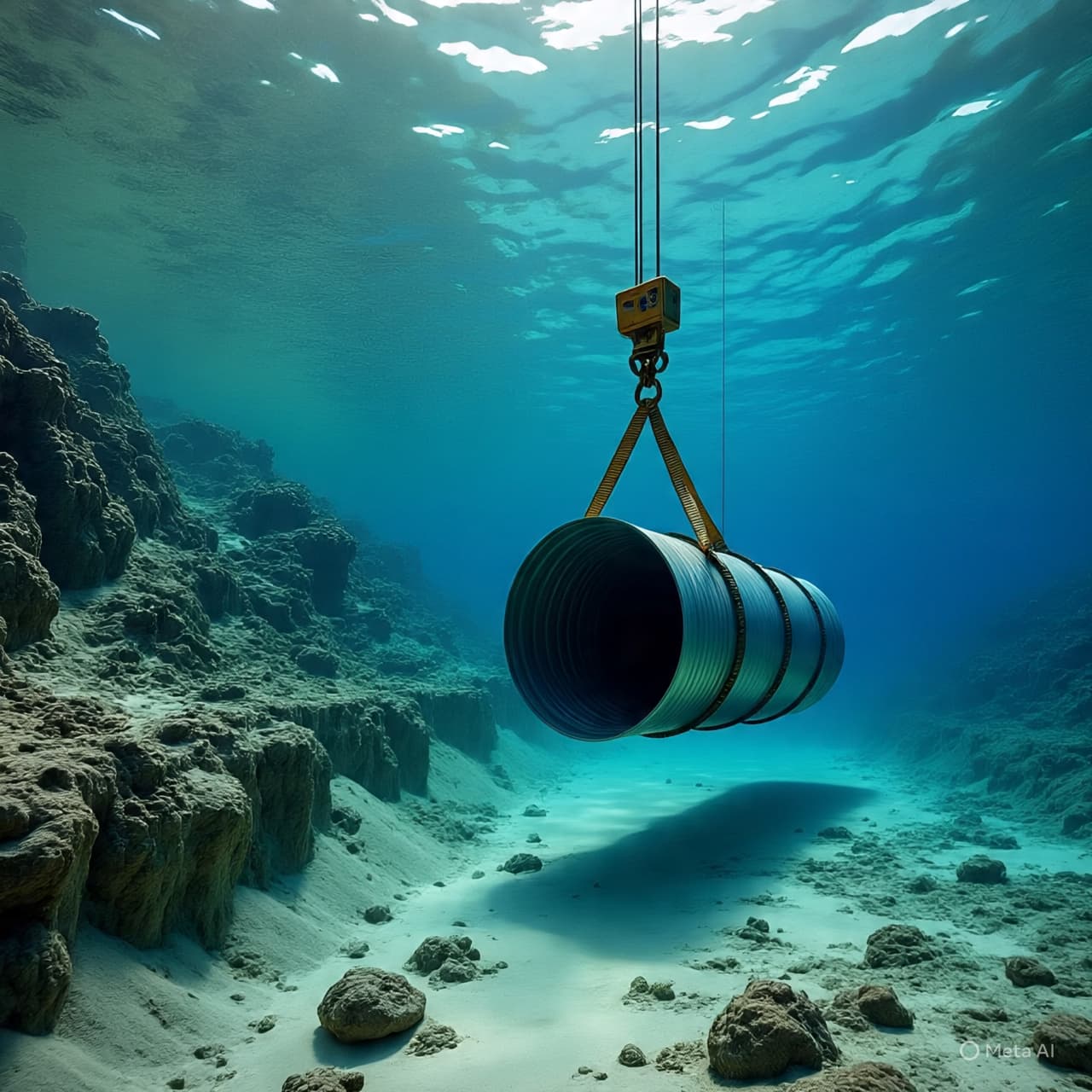
The construction method employed for the Fehmarnbelt tunnel is unique and complex. Instead of traditional drilling, the tunnel is being built piece by piece, with each segment measuring over 200 meters in length and weighing more than 70,000 tons. These massive structures are constructed on land, floated out to the site, and then submerged into position with precision. The alignment process is meticulous, requiring tolerances of mere centimeters at depths that can exceed 40 meters.
Reaching this midpoint is not marked by fanfare but rather by a quiet confirmation of progress. Each immersed element extends the tunnel further across the seabed, bringing Denmark and Germany closer together. The project is expected to transform travel between Scandinavia and Central Europe, reducing what is currently a ferry crossing of up to an hour to a mere ten minutes by car or seven minutes by train.
However, the path to this milestone has not been without challenges. The immersion process is highly dependent on specialized vessels and strict environmental regulations, which have caused delays. The development of custom-built immersion vessels and compliance with underwater noise and sediment disturbance requirements have slowed progress at various stages, leading to uncertainty regarding the original timeline for completion.
Despite these setbacks, construction continues with a focus on precision over speed. The process of immersed tunnel construction follows a specific rhythm: dredging a trench, preparing a foundation, lowering a segment, aligning it, and sealing it in place. Each step is crucial and requires careful adjustments to accommodate the ever-changing conditions of the sea and weather.
At this halfway mark, the tunnel exists in a state of duality. It remains incomplete, open at both ends, yet its structure is already conceptually continuous beneath the seabed. For engineers and planners, this moment serves as both a confirmation of the method's viability and a reminder of the work that lies ahead. As construction progresses, the invisible structure will eventually reshape transportation routes, compress distances, and alter the flow of movement between northern and southern Europe.
The Fehmarnbelt tunnel project is on track for completion around the end of the decade, although earlier delays may extend this timeline. As the Baltic Sea continues its tranquil surface motion, the significant infrastructure project below is steadily taking shape, promising to redefine connectivity in the region.
Published by Banx Network. This article is part of the Banx decentralized media programme, powered by the BXE token on the XRP Ledger.