
Key Highlights
- Mount Dukono:Eruptions prompt urgent evacuations in North Maluku.
- Military Involvement:TNI AD assists in relocating vulnerable residents.
- Health Risks:Authorities warn of respiratory issues from volcanic ash exposure.
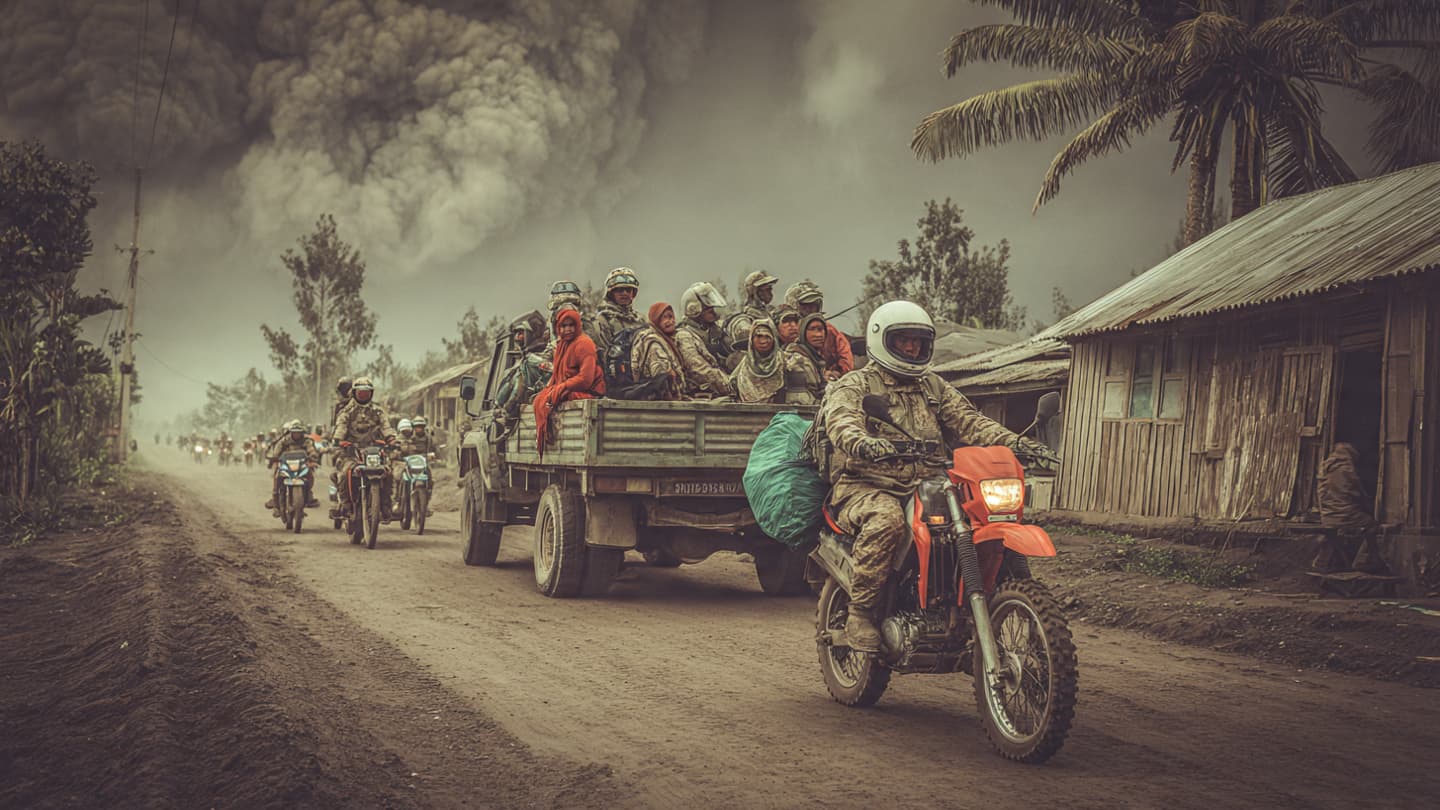
The recent volcanic activity of Mount Dukono in North Maluku has prompted swift evacuation efforts as authorities respond to the potential dangers posed by ash clouds. Residents living in proximity to the volcano are reminded of the unpredictable nature of volcanic eruptions, which can disrupt daily life with little warning. The Indonesian Army, known as TNI AD, has mobilized to assist local disaster agencies in ensuring the safety of communities at risk.
Following reports of significant ash emissions from Mount Dukono, military personnel have been deployed alongside police, medical teams, and volunteers to facilitate the evacuation of residents from vulnerable areas. The Center for Volcanology and Geological Hazard Mitigation has issued alerts, advising locals and visitors to steer clear of designated danger zones surrounding the volcano. Mount Dukono is recognized as one of Indonesia's most active volcanoes, with a history of persistent eruptions that have affected nearby communities.
To support the evacuation process, military trucks and emergency vehicles have been utilized to transport affected individuals, including the elderly, children, and those requiring medical assistance. Temporary shelters have been established, equipped with essential supplies such as food, clean water, blankets, and healthcare services. Local officials have emphasized that these evacuation measures are precautionary, aimed at safeguarding the health and safety of residents.
For many families in North Halmahera, volcanic activity is a challenging yet familiar aspect of life. Communities have adapted to the recurring ashfall that impacts homes, schools, and agricultural practices. Farmers often face interruptions in their harvests, while air travel in eastern Indonesia can be disrupted due to ash clouds affecting flight paths.
The rapid response by TNI AD highlights Indonesia's comprehensive disaster management strategy, where military forces frequently collaborate with civilian agencies during natural disasters, including earthquakes, floods, and volcanic eruptions. In remote areas like North Maluku, the logistical support provided by the military is crucial, especially given the region's challenging terrain and limited transportation infrastructure.
Health authorities have advised residents to wear masks to mitigate the risks associated with ash inhalation and to protect water supplies from contamination. Prolonged exposure to volcanic ash can exacerbate respiratory issues, particularly among vulnerable populations such as children and the elderly. Monitoring teams are actively observing seismic activity and emissions from Mount Dukono as the situation develops.
As evacuation operations progress, coordination among emergency agencies remains a priority to ensure the safety of affected communities. At the time of the latest updates, no major casualties had been reported, and monitoring efforts around the volcano continue to be a focus for local authorities.
Published by Banx Network. This article is part of the Banx decentralized media programme, powered by the BXE token on the XRP Ledger.



