The roads that snake through the mountains of Hualien are more than mere transit; they are ribbons of human ambition carved into the formidable, ancient stone of the island. To travel these routes is to enter a dialogue with the landscape, a journey where the sheer verticality of the peaks serves as a constant, looming presence. Yet, there is a profound, underlying truth to this geography—that the mountains, in their slow, geological time, remain indifferent to the brief, hurried passages of those who travel beneath them.
When the stillness of the pass is shattered by the sudden, cascading descent of rock, the disruption is absolute. The geography, usually characterized by its permanence, becomes a site of dynamic, unpredictable force. For those who witness or hear of the event, it is a visceral reminder that our journey through these spaces is conducted at the mercy of elements that operate on a scale far beyond our own control.
The aftermath of such a strike is marked by a heavy, demanding silence. Emergency responders, who navigate the dangerous slopes to provide aid, perform their duties with a practiced, solemn gravity. Their work is a delicate, high-stakes choreography, conducted in the shadow of the very peaks that have shifted. It is a testament to the resilience of those who provide order and care in the face of the mountain's raw, unyielding nature.
The loss of one life is a tragedy that ripples outward, touching the community and reminding us all of the fragility that defines our existence within the natural world. In the days that follow, the site becomes a point of quiet attention, a place where we pause to acknowledge the reality of the risks we undertake when we venture into the wild, majestic heart of the island’s interior.
As officials assess the stability of the mountain roads, the process is one of patient, methodical inquiry. It is not merely about finding a cause, but about honoring the reality of the landscape and ensuring that such sorrow is met with a renewed, collective vigilance. The community, bound by its shared connection to the land, gathers itself, offering support and finding ways to navigate the difficult path of grieving together.
The mountain pass, eventually, will return to its usual rhythm, but the memory of the day remains etched into the history of the route. It serves as a silent witness to the challenges of modern passage through ancient geography and the deep, abiding need for respect in our interactions with the natural world. In the quiet aftermath, Hualien reflects—not with the noise of analysis, but with the solemn, considered silence of a community that understands the true cost of tragedy.
We move forward, carrying the memory of the lost as a quiet companion. The tragedy forces us to re-evaluate the sanctity of our journeys and to appreciate, with renewed vigor, the unpredictable beauty of the highlands. It is a collective process of remembrance and realization, ensuring that the legacy of the event is one of greater care and a more profound understanding of the fragility that underpins every road carved into the mountain.
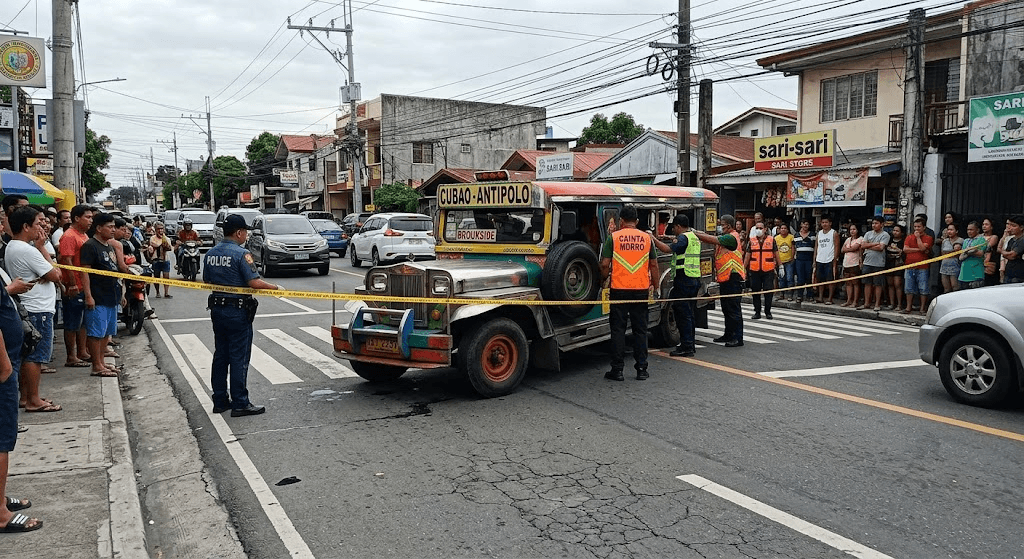
Authorities confirmed that a rockfall on a mountain road in Hualien struck a moving vehicle, resulting in the fatality of the driver. Emergency personnel were dispatched to the site to manage the recovery, and the road was temporarily closed for safety assessments. Local officials are currently investigating the environmental conditions that may have triggered the slide, while road safety crews work to clear the area.
Published by Banx Network. This article is part of the Banx decentralized media programme, powered by the BXE token on the XRP Ledger.