
Key Highlights
- Conviction:Two politicians convicted for the murder of Marielle Franco.
- Date:The ruling was announced this week, marking a significant moment in the case.
- Impact:The verdict highlights ongoing issues of political violence in Brazil.
On a tranquil evening in Rio de Janeiro, the city’s vibrant life contrasts sharply with the somber memory of Marielle Franco, a sociologist and city councilor whose life was tragically cut short in March 2018. Franco was known for her fierce advocacy for marginalized communities, particularly Black Brazilians and women, and her vocal criticism of police violence. Her assassination, alongside her driver Anderson Gomes, sent shockwaves throughout Brazil and sparked international outrage, igniting a movement for justice that has persisted for years.
This week, the long-awaited judicial inquiry into Franco's murder reached a pivotal conclusion when a Rio de Janeiro court convicted two brothers, Domingos and Chiquinho Brazão, for orchestrating the crime. Domingos Brazão, a seasoned politician, and his brother Chiquinho, who was serving as a federal congressman at the time of his arrest, were found guilty of commissioning the murder. Prosecutors presented a compelling case, detailing how Franco’s political stance and local disputes made her a target for the brothers.
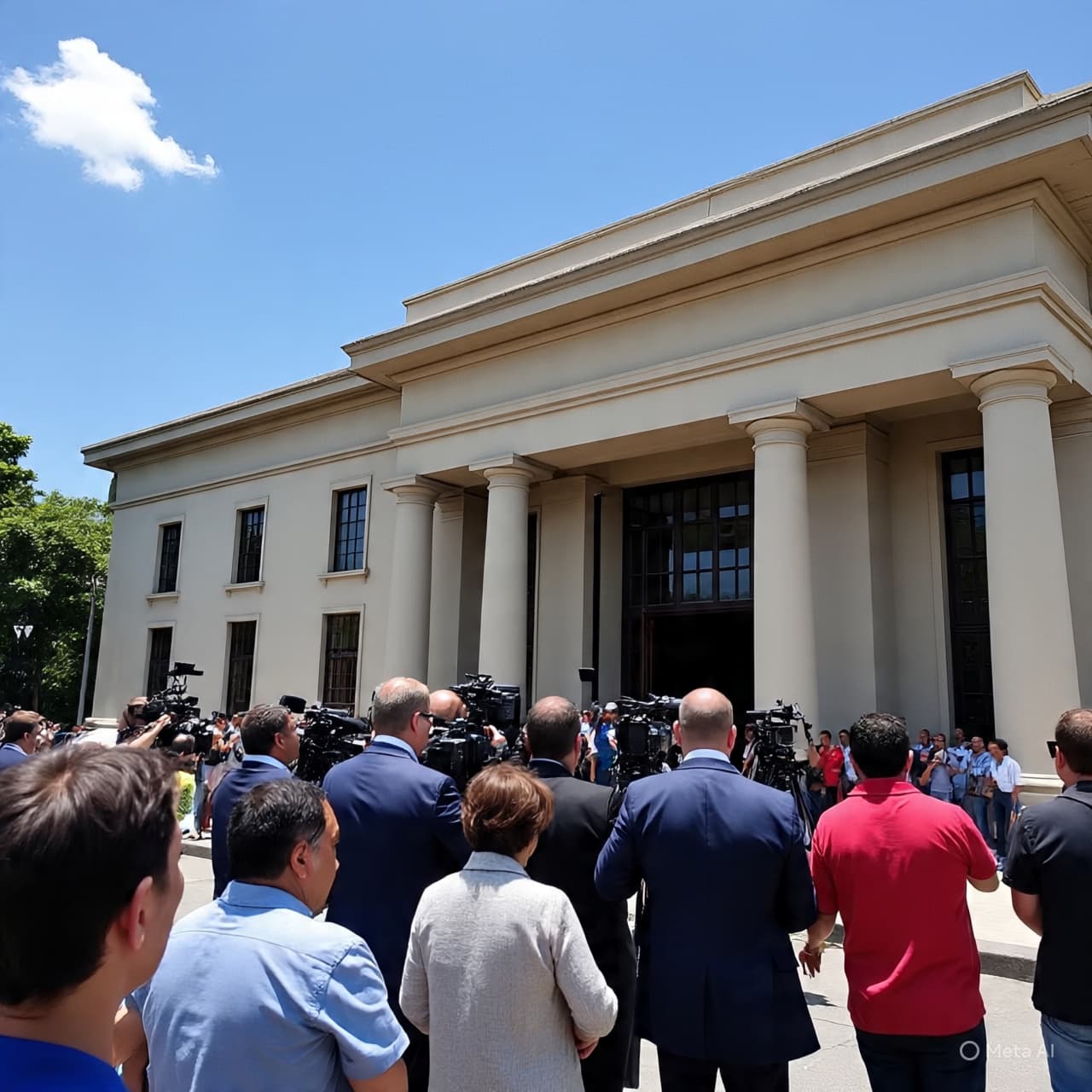
The courtroom proceedings were marked by intense public interest, with supporters of Franco gathering outside the courthouse, holding flowers and posters bearing her image. Inside, the prosecution laid out a complex web of evidence, including financial records and communications that linked the Brazão brothers to the individuals who executed the murder. The defense, however, maintained their clients' innocence and indicated plans to appeal the verdict, a common practice in Brazil’s legal system.
The significance of this ruling extends beyond the courtroom. It represents a crucial step in addressing the pervasive issue of political violence in Brazil, where investigations often face significant obstacles. The conviction of influential figures like the Brazão brothers sends a powerful message that those who wield power behind the scenes can be held accountable for their actions. Yet, for many, this verdict does not erase the pain of Franco's loss or the ongoing struggles against organized crime and political corruption that she so passionately fought against.
As the sun sets over Guanabara Bay, the city continues its daily rhythm, but the echoes of Franco's legacy remain strong. The convictions of the Brazão brothers will now enter the appeals process, where the strength of the court's findings will be tested. For those who continue to honor Franco’s memory, this moment serves as a reminder that the pursuit of justice is a long and arduous journey, one that requires unwavering commitment and resilience.
In the wake of this ruling, the name Marielle Franco continues to resonate throughout Rio de Janeiro, symbolizing both the fight for justice and the enduring hope for a future free from violence and oppression. Her story, marked by tragedy, now intertwines with a broader narrative of accountability and change in Brazil.
Published by Banx Network. This article is part of the Banx decentralized media programme, powered by the BXE token on the XRP Ledger.



