
Key Highlights
- EU Initiative:A proposal for a single-ticket system for train travel across Europe.
- Current Challenges:Navigating multiple national ticketing systems complicates cross-border journeys.
- Environmental Impact:The plan aims to promote sustainable transport options and reduce carbon emissions.
[EU Initiative for Simplified Train Travel]
In the early hours across Europe, train stations carry a particular kind of silence—one shaped not by emptiness, but by anticipation. Light spills across platforms in long, patient streaks. Departure boards flicker between languages. Announcements echo through vaulted ceilings built in different centuries, yet now tied together by the same underlying movement: people in transit, crossing borders that once demanded interruption.
It is within this landscape of shared motion that the European Union has unveiled a plan aimed at making train travel across the continent simpler through a single-ticket system. The proposal, still in development stages, envisions a future where passengers could move across multiple national rail networks without needing separate bookings for each leg of a journey—an incremental but meaningful shift in how Europe’s transportation web is experienced.
At present, cross-border rail travel in Europe often requires navigating a patchwork of national systems. Each country maintains its own ticketing platforms, pricing structures, and operational frameworks. While high-speed rail corridors connect major cities—from Paris to Brussels, Berlin to Vienna—the act of transferring between systems can still involve logistical friction: separate tickets, varying schedules, and fragmented customer support across operators.
The EU’s initiative seeks to address these gaps by encouraging interoperability between national rail providers and digital ticketing systems. The idea is not simply technological, but structural: to reduce the invisible barriers that persist even as physical rail infrastructure becomes increasingly integrated. In doing so, the proposal aligns with broader European efforts to promote sustainable transport, encouraging rail as an alternative to short-haul air travel.
Rail travel in Europe has long carried a dual identity. On one hand, it is one of the most environmentally efficient ways to move across medium distances. On the other, it reflects the historical complexity of a continent shaped by distinct national systems that evolved in parallel rather than in unison. The EU’s single-ticket concept attempts to bridge that historical layering without erasing it entirely, instead layering coordination over diversity.
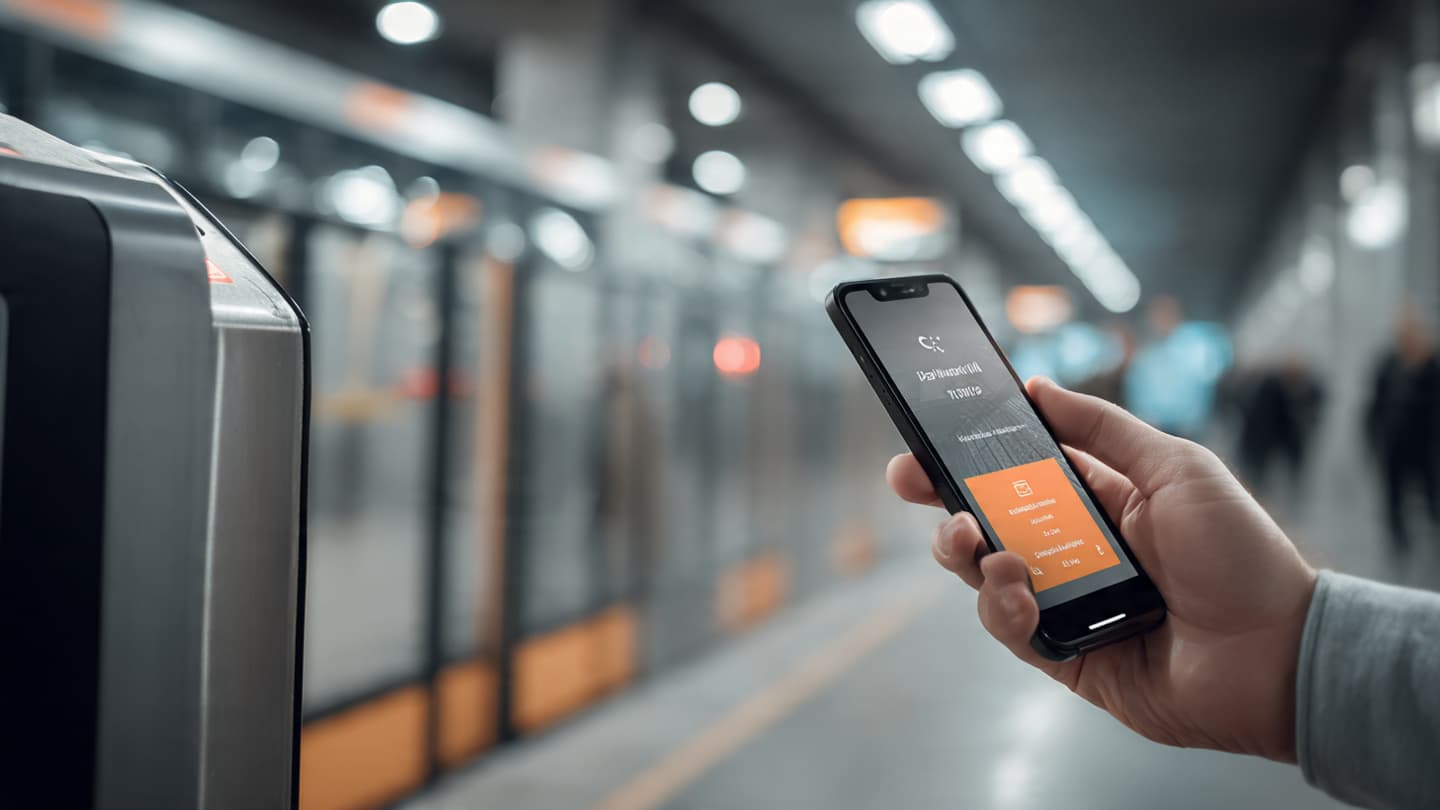
For passengers, the practical implications could be significant. A journey that currently requires multiple bookings—each tied to specific national rail companies—could eventually be managed through a unified platform. This would allow travelers to plan multi-country routes more easily, potentially increasing the appeal of rail travel for tourism, work, and everyday mobility.
Behind the proposal lies a broader policy objective: shifting transportation patterns toward lower-carbon options. Rail networks, particularly electrified ones, are central to Europe’s climate strategy, offering a lower-emission alternative to road and air transport. By reducing friction in cross-border rail use, policymakers aim to make trains not only a sustainable choice in principle, but a convenient one in practice.
Still, the path toward integration is not purely technical. National rail operators maintain distinct pricing models, infrastructure investments, and regulatory frameworks. Aligning these systems requires coordination across governments, companies, and digital platforms, each with its own priorities and constraints. The single-ticket vision, therefore, exists as much in negotiation as in engineering.
For now, the plan remains a framework rather than a finished system. Implementation will depend on phased agreements, technological compatibility, and political alignment among member states. But even at the proposal stage, it reflects a broader tendency within Europe’s infrastructure planning: the gradual smoothing of borders through systems that prioritize continuity over fragmentation.
On platforms from Lisbon to Warsaw, the daily rhythm of departure and arrival continues unchanged. Travelers still queue for tickets, check connections, and navigate transfers between networks. Yet beneath that familiar choreography, a longer transformation is taking shape—one that imagines a continent where movement is defined less by interruption and more by flow.
As Europe moves toward this potential future, the railway becomes more than infrastructure. It becomes a language of connection, spoken in tracks and timetables, in shared standards and synchronized systems. And in that language, the idea of seamless travel across borders begins to take root.
Published by Banx Network. This article is part of the Banx decentralized media programme, powered by the BXE token on the XRP Ledger.



